The Discovery of a Life Vest in the Lily Jean Tragedy Sparks Brief Speculation, but Official Updates Confirm Grim Reality for Gloucester’s Lost Crew
As the Gloucester fishing community continues to grapple with the sudden sinking of the 72-foot commercial vessel Lily Jean on January 30, 2026, a recent report of a life vest found in the water has intensified emotions and prompted fleeting questions about whether it could indicate an unreported survivor or a missed escape attempt. However, the latest official statements from the U.S. Coast Guard and ongoing coverage as of early February 2026 show no change in the tragic outcome: all seven crew members are confirmed deceased, with the search long suspended and a formal investigation now underway.
The Lily Jean, captained by veteran fisherman Accursio “Gus” Sanfilippo, sank rapidly about 25 miles off Cape Ann in frigid Atlantic waters without issuing a mayday call or voice distress signal. The vessel’s emergency position-indicating radio beacon (EPIRB) activated at approximately 6:50 a.m., alerting the Coast Guard and triggering an immediate multi-asset response. Despite harsh winter conditions—including rough seas, low visibility, and water temperatures hovering around 40°F (4°C)—search teams from Air Station Cape Cod, Station Gloucester, and the cutter Thunder Bay scoured over 1,047 square miles in roughly 24 hours.
During the operation, responders located a debris field near the beacon’s position, recovered one unresponsive individual from the water (later identified as Captain Sanfilippo), and found the vessel’s inflatable life raft fully deployed but completely unoccupied. No additional survivors or signs of life were detected. The search was officially suspended on January 31, 2026, after officials deemed all reasonable efforts exhausted. “The decision to suspend the search was incredibly difficult,” a Coast Guard spokesperson stated, extending condolences to the families and the broader Gloucester community.
The life vest in question—described in some local reports and social media discussions as having washed up or been spotted near the incident site—appears to be part of the general debris field or standard safety equipment associated with the vessel. Official releases consistently reference only the unoccupied life raft and one recovered body (not wearing a survival suit), with no mention of a separate life vest discovery altering the case status. Experts in maritime incidents note that life vests and other personal flotation devices can detach and drift independently during a rapid sinking, especially in heavy seas, without indicating human use or survival. The absence of any distress signals from the raft’s emergency locator or reports of occupation further diminishes speculation of an escape.
On February 2, 2026, the Coast Guard’s Northeast District formally identified all seven victims and launched a district-level investigation into the cause of the sinking, with potential assistance from the National Transportation Safety Board (NTSB). The crew included:
Accursio “Gus” Sanfilippo, the captain and a fifth-generation Gloucester fisherman featured on the 2012 History Channel series “Nor’Easter Men.” Known for his experience and leadership, he was returning to port after a routine trip.
Paul Beal Sr. and Paul Beal Jr., a father-and-son duo deeply embedded in the local industry.
John Paul Rousanidis (33)
Freeman Short (31)
Sean Therrien
Jada Samitt (22), a NOAA fisheries observer from Virginia and recent University of Vermont graduate, who was aboard to monitor catches and ensure compliance.
Family statements have highlighted the profound loss: Sanfilippo was remembered as skilled and respected; Samitt as vibrant, compassionate, and dedicated to ocean conservation; and the Beals as inseparable in both work and life. Vigils at St. Ann’s Church and tributes at Gloucester’s iconic Fisherman’s Memorial have drawn hundreds, with community members sharing stories of personal connections to the crew.
The incident has renewed focus on the inherent dangers of commercial fishing—one of the nation’s deadliest occupations—particularly in winter conditions where ice buildup from freezing spray can destabilize vessels. Vito Giacalone of the Northeast Seafood Coalition defended the crew’s decision to fish, noting that harsh weather is routine for the profession. In response to the tragedy and forecast storms, NOAA temporarily paused observer deployments.
Donations continue to flow through organizations like Fishing Partnership Support Services (specifying “Lily Jean” in contributions), supporting the grieving families. As the investigation progresses—likely examining vessel maintenance records (including a prior transmission issue noted in 2024), weather data, and possible mechanical or human factors—Gloucester mourns yet another chapter in its centuries-long history of loss at sea.
The life vest, while stirring understandable hope in a community clinging to any possibility, ultimately fits within the established evidence of a swift, catastrophic event with no survivors. Hope, though resilient, has given way to collective grief and calls for improved safety measures to honor those lost.
News

BREAKING: NEW DEVELOPMENTS EMERGE IN THE HENRY NOWAK CASE
BREAKING: NEW DEVELOPMENTS EMERGE IN THE HENRY NOWAK CASE The investigation surrounding Henry Nowak has taken another significant turn after authorities announced additional charges. The latest legal development is being described as a major shift in the case, with many…

UNBEARABL — HENRY NOWAK’S FATHER SPEAKS OUT AFTER THE SENTENCING
UNBEARABL — HENRY NOWAK’S FATHER SPEAKS OUT AFTER THE SENTENCING In an emotional public statement, Henry Nowak’s father has strongly criticized the way authorities handled his son’s final hours, describing the experience as “unbearable.” As the person responsible was sentenced,…
“THE DNA DIDN’T MATCH HIM.” 😳🚢 A major twist has emerged in the Anna Kepner case after investigators revealed DNA from an unknown teenage male was found during the cruise ship investigation 👀 👇 But it’s the single unidentified fingerprint that reportedly still doesn’t belong to anyone in the case that is now raising even more questions
New questions raised over Anna Kepner’s Carnival cruise murder after DNA from unknown male minor found Anna Kepner, 18, allegedly had sex with an unknown male juvenile aboard a Carnival cruise ship shortly before her shocking death, federal prosecutors revealed….

He’s changed: Ryan Willis McFarland, the son of the man accused of killing six family members before committing suicide, leaving his only son grieving the loss of his entire family, has officially spoken out to recount everything that happened, revealing his motives
Son loses entire family after father kills 6 before turning gun on himself, police say Six people were killed in an Iowa town before the gunman fatally shot himself, according to local police. Muscatine police said 52-year-old Ryan Willis McFarland…
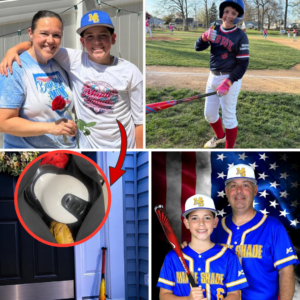
“If only I had looked back one more time…”: The father of 12-year-old Xavier Taylor says there’s a small detail hidden in the last family photo taken that afternoon, and now he can’t stop staring at it
In the dim glow of a hospital room at University Hospital in San Antonio, where the rhythmic beeps of life-support machines formed a constant backdrop to whispered prayers, the father of 12-year-old Xavier Taylor found himself trapped in an endless…
THEY DIDN’T REALIZE IT UNTIL LATER…: Following the latest update on Xavier Taylor’s health, his best friend revealed a problem with the protective gear—and the reason why left everyone speechless
In the hushed atmosphere of Xavier Taylor’s hospital room at University Hospital in San Antonio, where the faint glow of monitors cast long shadows across the walls lined with children’s drawings, the latest medical update delivered another layer of uncertainty…
End of content
No more pages to load