The disappearance of Nancy Guthrie, the 84-year-old mother of NBC’s “Today” show co-anchor Savannah Guthrie, continues to grip national attention as of February 3, 2026. What began as a concerning missing person report has evolved into a full criminal investigation, with authorities treating it as an abduction or kidnapping. New developments shared by the Pima County Sheriff’s Office (PCSD) include the discovery of DNA evidence at her home, now expedited for lab analysis, alongside confirmation of a break-in and a believed overnight removal from the residence.
Nancy Guthrie resides in an upscale home in the Catalina Foothills area of Tucson, Arizona—a quiet, affluent neighborhood known for its desert landscapes, large properties, and relative seclusion. She was last seen by family members around 9:30–9:45 p.m. on Saturday, January 31, 2026, after enjoying dinner with her daughter Annie and playing mahjong. Family became alarmed the next morning, Sunday, February 1, when she failed to attend church services. A check of her home around noon revealed she was gone, prompting an immediate call to authorities.
Her purse, wallet, cell phone, and vehicle were all left behind at the residence—strong indicators she did not depart voluntarily. Officials have emphasized her limited mobility and frail health; she requires daily medications that remain in the home, and without them, her condition could deteriorate rapidly, potentially becoming fatal after more than 24–48 hours.
Pima County Sheriff Chris Nanos has been candid in public updates, describing the home as a confirmed crime scene with “concerning” and “suspicious” elements. He stated it is “evident” Nancy Guthrie was moved against her will, and he believes she was abducted—possibly from her bed in the middle of the night. Signs of a break-in were noted, though specifics remain limited to preserve the investigation.
A key forensic breakthrough came with the recovery of DNA evidence at the scene. While the exact source (e.g., blood, touch DNA on surfaces, or other trace material) has not been publicly detailed, Sheriff Nanos confirmed samples were collected and sent to a lab in Phoenix for expedited analysis due to technical issues with local processing in southern Arizona. Results are anticipated within approximately two days, with hopes they could yield a profile to identify or exclude individuals. Rapid DNA testing is being prioritized, and officials are optimistic this could “break the case open.”
The sheriff has referenced a believed timeframe for the incident: sometime between 1 a.m. and 4 a.m. on February 1, aligning with an overnight abduction scenario while Nancy was likely asleep. This window appears derived from the last known sighting (evening of January 31), the absence of activity reports from neighbors, and scene indicators suggesting no daytime involvement. No public evidence has detailed how this precise range was established—possibly from scene forensics, witness timelines, or other undisclosed factors.
Compounding the urgency, Nancy Guthrie has a pacemaker. Public speculation has arisen online about whether such devices can be tracked for location. Modern pacemakers and implantable cardiac devices (from manufacturers like Medtronic, Boston Scientific, or others) often feature remote monitoring capabilities. These transmit health data (e.g., battery status, heart rhythm events) wirelessly via a home bedside monitor or smartphone app to healthcare providers—typically through cellular or Bluetooth connections. However, these systems do not include built-in GPS or real-time location tracking of the person. They focus on cardiac metrics, not geolocation. While some devices connect to the cloud for data uploads, this does not equate to pinpointing a physical location like a phone or vehicle tracker. Authorities would need cooperation from the manufacturer or medical team to access any recent transmission data, but it would not serve as a direct “find my device” tool for abduction cases.
Search efforts have involved drones, search dogs, ground teams, infrared/heat sensors, and multi-agency support—including offers from the FBI. A SAFE Alert (Arizona’s version of an alert for vulnerable adults) was issued statewide, describing her as a white female, 5’4″, 150 pounds, with brown hair and blue eyes. She uses a colorful pink cane (though it’s unclear if it was taken). Homicide detectives are involved as a precaution, given the non-standard protocol for missing elderly cases without cognitive issues—she is described as “sharp as a tack” mentally.
The absence of indoor security cameras or alarms at the home (though some outdoor ones are reportedly under review) has drawn attention, echoing broader concerns about elder safety in affluent but isolated areas. A $2,500 reward from 88-CRIME is now offered for tips leading to an arrest.
Savannah Guthrie has publicly thanked supporters and asked for prayers, stating the family’s focus is on Nancy’s safe return. She has remained in Arizona to assist, canceling planned appearances like coverage of the Olympic Games.
As the case enters its third day, time remains critical due to Nancy’s health needs. The sheriff has issued emotional pleas: “Let her go,” and urged anyone with information to contact the PCSD or anonymous tip lines. Public interest—fueled by Savannah’s prominence and recent features on her Tucson roots—has kept the story prominent, with locals noting her family’s lower profile in the area before national exposure.
This evolving investigation highlights vulnerabilities for seniors living alone, the power of forensic evidence like DNA in rapid-response cases, and the limits of medical device technology in emergencies. Authorities remain hopeful that forthcoming lab results and continued tips will lead to resolution.
News

BREAKING: NEW DEVELOPMENTS EMERGE IN THE HENRY NOWAK CASE
BREAKING: NEW DEVELOPMENTS EMERGE IN THE HENRY NOWAK CASE The investigation surrounding Henry Nowak has taken another significant turn after authorities announced additional charges. The latest legal development is being described as a major shift in the case, with many…
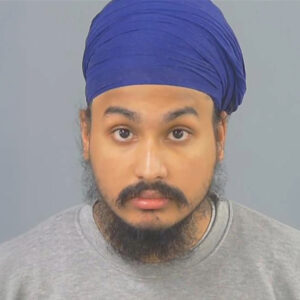
UNBEARABL — HENRY NOWAK’S FATHER SPEAKS OUT AFTER THE SENTENCING
UNBEARABL — HENRY NOWAK’S FATHER SPEAKS OUT AFTER THE SENTENCING In an emotional public statement, Henry Nowak’s father has strongly criticized the way authorities handled his son’s final hours, describing the experience as “unbearable.” As the person responsible was sentenced,…
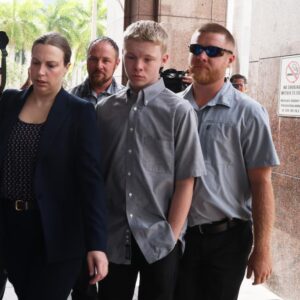
“THE DNA DIDN’T MATCH HIM.” 😳🚢 A major twist has emerged in the Anna Kepner case after investigators revealed DNA from an unknown teenage male was found during the cruise ship investigation 👀 👇 But it’s the single unidentified fingerprint that reportedly still doesn’t belong to anyone in the case that is now raising even more questions
New questions raised over Anna Kepner’s Carnival cruise murder after DNA from unknown male minor found Anna Kepner, 18, allegedly had sex with an unknown male juvenile aboard a Carnival cruise ship shortly before her shocking death, federal prosecutors revealed….
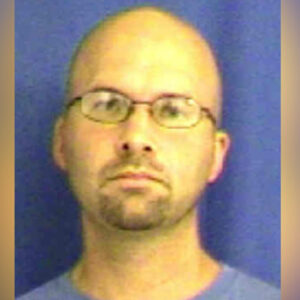
He’s changed: Ryan Willis McFarland, the son of the man accused of killing six family members before committing suicide, leaving his only son grieving the loss of his entire family, has officially spoken out to recount everything that happened, revealing his motives
Son loses entire family after father kills 6 before turning gun on himself, police say Six people were killed in an Iowa town before the gunman fatally shot himself, according to local police. Muscatine police said 52-year-old Ryan Willis McFarland…
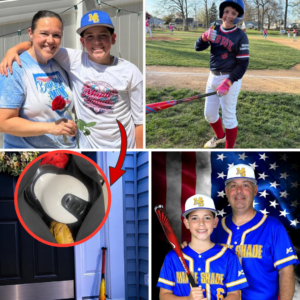
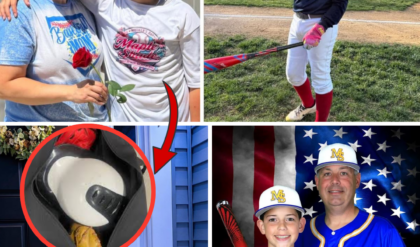
“If only I had looked back one more time…”: The father of 12-year-old Xavier Taylor says there’s a small detail hidden in the last family photo taken that afternoon, and now he can’t stop staring at it
In the dim glow of a hospital room at University Hospital in San Antonio, where the rhythmic beeps of life-support machines formed a constant backdrop to whispered prayers, the father of 12-year-old Xavier Taylor found himself trapped in an endless…
THEY DIDN’T REALIZE IT UNTIL LATER…: Following the latest update on Xavier Taylor’s health, his best friend revealed a problem with the protective gear—and the reason why left everyone speechless
In the hushed atmosphere of Xavier Taylor’s hospital room at University Hospital in San Antonio, where the faint glow of monitors cast long shadows across the walls lined with children’s drawings, the latest medical update delivered another layer of uncertainty…
End of content
No more pages to load