From Team to Tragedy: The Heartbreaking Dissolution of Tawnia McGeehan and Brad Smith’s Marriage
In the quiet suburbs of West Jordan, Utah, what began as a union of love and partnership devolved into a protracted battle of bitterness and heartbreak. “We used to be a team,” Tawnia McGeehan once lamented to a close friend about her marriage to Brad Smith, a poignant reflection on the erosion of their once-united front. This sentiment, shared in a moment of vulnerability, contrasts sharply with the stark reality revealed in court records: their final communications centered on mundane yet tense scheduling for their daughter Addi Smith’s appointments, culminating in a chilling email from Brad consisting solely of the words “THIS IS FINAL” in all capital letters. This phrase, emblematic of irrevocable closure, marked the end of their shared parental responsibilities—or so it seemed—before tragedy struck in a Las Vegas hotel room.
The story of Tawnia McGeehan, 38, and her ex-husband Brad Smith is one that underscores the fragility of family bonds under the strain of divorce and custody disputes. Their marriage, which produced their beloved daughter Addilyn “Addi” Smith in 2013, appeared ordinary on the surface. Tawnia, a dedicated “dance mom” deeply involved in the competitive cheerleading world, and Brad, a committed father who later remarried, once navigated life together. But by 2015, cracks had formed, leading Tawnia to file for divorce. The proceedings, finalized in 2017 in Utah’s 4th District Court, set the stage for a nine-year custody saga that would expose deep-seated animosities and raise questions about the system’s ability to protect vulnerable children.

ksl.com
Court records reveal Utah mom’s legal issues years before Las Vegas murder-suicide | KSL.com
The Early Years: A Partnership Unravels
Little is publicly known about the initial spark between Tawnia McGeehan and Brad Smith, but friends recall a couple who seemed aligned in their goals. Tawnia, described by her mother Connie McGeehan as someone who “struggled with depression her whole life” but was “turning a corner,” poured her energy into motherhood and Addi’s passions. Addi, an energetic 11-year-old with a love for gymnastics and cheerleading, became the center of their world. Photos from family outings, such as hikes in Utah’s red rock landscapes, capture moments of joy—Tawnia and Addi smiling against scenic backdrops, embodying the “team” Tawnia later mourned.
However, beneath this facade, tensions simmered. The 2015 divorce filing cited irreconcilable differences, but court documents hint at deeper issues. Brad’s 2016 Facebook post selling his wedding ring with the snide remark, “I only wore the ring for a year,” signaled public acrimony. This act, while petty, foreshadowed the vitriol that would define their post-marital interactions. Temporary custody orders in 2015 granted Addi primary residence with Tawnia, with Brad receiving joint legal custody and scheduled parenting time.
As the years progressed, allegations surfaced. In 2020, a pivotal court ruling temporarily stripped Tawnia of unsupervised custody, citing “behavior that is on the spectrum of parental alienation” and an act of domestic violence committed in Addi’s presence. The judge noted Brad’s superior understanding of Addi’s needs, appointing supervisors for Tawnia’s visits. This period marked a low point for Tawnia, who fought back through legal channels, including a 2021 restraining order request alleging Brad’s new wife was recording exchanges in violation of court terms.
:max_bytes(150000):strip_icc():focal(742x506:744x508)/Addilyn-Smith-021826-tout-a7f7eb845bbd441db239bd77f5c4836f.jpg)
people.com
Mom Who Killed Cheerleader Daughter Had Lost Custody of Her for Years
The Custody Battle: A War of Attrition
The custody dispute, spanning nearly a decade, involved over 350 court submissions, many sealed to protect privacy. By 2024, the court aimed for equilibrium, awarding joint legal and physical custody on a week-on, week-off basis. Yet, the orders reflected ongoing distrust: handovers at school or the Herriman Police Department, with parents parking five spaces apart; no filming; no interactions at events; mandatory use of the Our Family Wizard app for non-emergency communication; and strict rules against disparaging the other parent. Brad was ordered to pay $288 monthly in child support, though he accrued over $9,600 in arrears by February 2024.
Court records paint a picture of mutual accusations. Tawnia faced claims of custodial interference, dismissed but damaging. Brad’s side alleged alienation tactics, while Tawnia’s filings highlighted privacy breaches. The “THIS IS FINAL” email, part of their last documented exchanges, revolved around Addi’s medical or school appointments, underscoring the breakdown: no more negotiation, just decree. A friend of Tawnia’s recounted her despair, quoting her reflection on the lost teamwork in their marriage, a stark contrast to the capitalized finality of Brad’s message.
This battle is not unique. In the U.S., over 50% of divorces involve children, and custody disputes can last years, costing families emotionally and financially. Experts like Dr. Philip Stahl, a custody evaluator, note that high-conflict cases often involve alienation allegations, exacerbating mental health issues. For Tawnia, who battled depression, the strain may have been overwhelming.
The Tragic Turn: Las Vegas and the Unthinkable
The culmination came during what should have been a celebratory weekend. Addi, a member of the Utah Xtreme Cheer team, traveled to Las Vegas for the JAMZ National Cheer Competition in February 2026. Tawnia accompanied her, but they never arrived at the event. Teammates raised alarms via social media, prompting a welfare check at the Rio Hotel & Casino.
On February 16, 2026, police discovered Tawnia and Addi dead in their room—an apparent murder-suicide. Tawnia had shot Addi before turning the gun on herself. The Clark County Coroner confirmed the causes: homicide for Addi, suicide for Tawnia. No motive was publicly disclosed, but sources close to Tawnia mentioned “mean” texts from other cheer moms, adding to her stress.

booking.com
Rio Hotel & Casino, a Destination by Hyatt Hotel, Las Vegas (updated prices 2026)
The Rio, a vibrant off-Strip resort known for its nightlife, became the somber backdrop for this horror. Investigators noted the pair’s absence from the competition, where Addi’s team mourned her loss. Addi was remembered as a “happy” child who “loved her friends” and gymnastics.
Aftermath: Grief, Questions, and Broader Implications
Brad Smith, devastated, launched a GoFundMe through his brother Greg, raising nearly $35,000 for funeral costs. “This heartbreaking event has left the family in deep shock,” Greg wrote. Brad’s new wife, McKennly, had bonded with Addi, calling her “my daughter.” The cheer community rallied, with Utah Xtreme posting tributes to Addi’s spirit.

utahxtremecheer.com

utahxtremecheer.com
Tawnia’s mother, Connie, defended her, promising the “real truth” would emerge, hinting at unseen pressures. Legal experts question how, despite violence findings, Tawnia regained joint custody. This case highlights flaws in family courts, where alienation claims can overshadow abuse allegations.
Mental health plays a central role. Tawnia’s lifelong depression, compounded by custody stress and interpersonal conflicts, may have contributed. According to the National Alliance on Mental Illness, divorce can exacerbate conditions, leading to tragic outcomes. Prevention requires better support: therapy mandates in custody cases, as seen in some states.
Reflections on a Lost Team
Tawnia’s words, “We used to be a team,” echo the lost potential of their family. From partnership to “THIS IS FINAL,” their story is a cautionary tale. Addi’s life, cut short, reminds us of the innocents caught in adult conflicts. As communities heal, calls grow for reformed custody evaluations prioritizing child safety and parental mental health.
In the end, this tragedy transcends one family, urging society to foster teams rather than battlegrounds in the name of love.
News
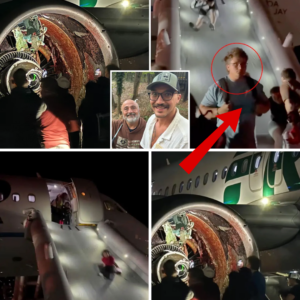
He was only on the runway for less than two minutes 😳 — Investigators now believe the man struck by the Frontier Airlines plane may have entered the Denver airport area just before midnight… but the inexplicable 7-second pause in surveillance footage has AGAIN CHANGED THE ENTIRE CASE
A Frontier Airlines jetliner waits for clearance to take off as high winds strafe Denver International Airport Thursday, March 12, 2026, in Denver. David Zalubowski/AP A Frontier Airlines plane bound for Los Angeles on Friday night struck and killed a…
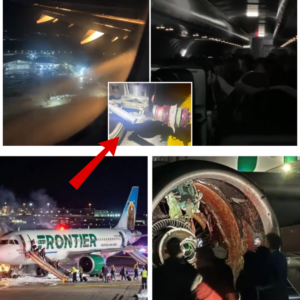
CANCELLED. CANCELLED🚨 — Newly released air traffic control recordings reportedly capture the tense moments after Frontier Airlines pilots realized something catastrophic had happened on the runway in Denver 😳 But a mysterious sound heard shortly afterward is now gaining attention online 👀
‘We just hit somebody’ – Frontier Airlines plane kills runway trespasser at Denver airport Air traffic control audio captured the moments after a Frontier Airlines plane fatally struck a person who had jumped a perimeter fence on to a runway…
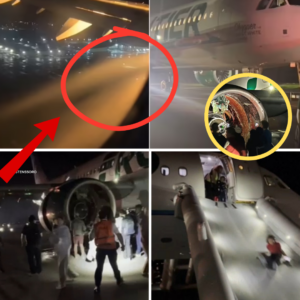
BLACK BOX REPORT COULD CHANGE EVERYTHING 👀 — Investigators reviewing data from the Frontier Airlines Airbus A321 are reportedly focusing on a brief warning sound heard inside the cockpit seconds before the crash 😳
Frontier Airlines Passengers Evacuated After Plane Hit a Person on the Runway During Takeoff at Denver Airport “We are investigating this incident and gathering more information in coordination with the airport and other safety authorities,” Frontier Airlines said in a…
ENGINE FIRE! LET ME OUT! 🚨 — Newly released footage from inside the aircraft cabin reportedly captures the terrifying moment smoke began billowing from a Frontier Airlines plane after a late-night crash on the runway in Denver 😨 But viewers are now noticing a strange detail: passengers were still holding onto their luggage during the evacuation 👀
Terrifying videos show Frontier Airlines passengers fleeing smoke-filled cabin after jet strikes person on Denver runway Terrifying videos show passengers fleeing the Frontier Airlines plane which struck an apparent trespasser at Denver airport – as smoke fills the cabin. Some travelers ignored…

Then everyone went silent — A family on a Frontier Airlines flight said passengers heard a loud bang a few moments before the plane suddenly came to a stop on the runway in Denver 😳 But it was the pilot’s 4-WORD announcement that followed that sparked endless discussion… 👀
LA-bound family on horror flight reveals gruesome moment plane struck person A father and his two sons on a flight to Los Angeles thought they were “going to die” when their Frontier jet struck a pedestrian on the runway —…
VIDEO STOPS 1 SECOND BEFORE COLLISION 😳 — Surveillance video released after the Frontier Airlines runway tragedy shows an intruder walking directly onto the aircraft’s flight path just 5 seconds before the crash… and investigators have DISCOVERED THE MOTIVE
Moment Frontier Airlines plane strikes person on Denver runway seen in horrifying new video An apparent trespasser who was fatally struck by a Frontier Airlines plane at a Colorado airport on Saturday was seen calmly walking across the runway while the aircraft…
End of content
No more pages to load