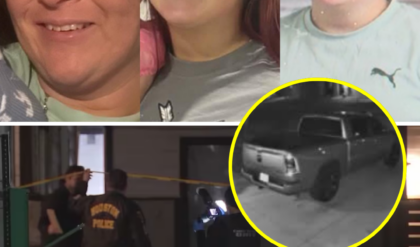
DEVELOPING: Chilling Discovery in Lake Club Home – The Tragic Story of Monika Rubacha and Her Children
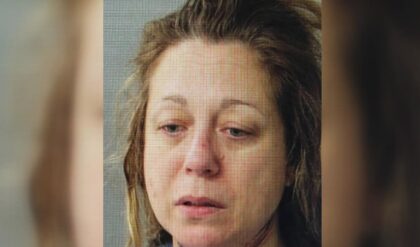
In the serene, upscale gated community of Lake Club in Lakewood Ranch, Florida, a horrific scene unfolded on February 26, 2026, that has left the local community and the nation in shock. Authorities from the Manatee County Sheriff’s Office (MCSO) confirmed that 44-year-old Monika Rubacha fatally shot her two children, 14-year-old Josh James and 11-year-old Emma James, before turning the gun on herself in what has been classified as a violent murder-suicide. While the investigation has pieced together the timeline and circumstances of the deaths, one detail has sent chills down the spines of investigators and the public alike: a simple, two-word phrase—”I’m Sorry”—scrawled on a bedroom door, believed to be a final, haunting message from Rubacha. This phrase, discovered amid the traumatic scene, underscores the unimaginable despair that led to this tragedy.
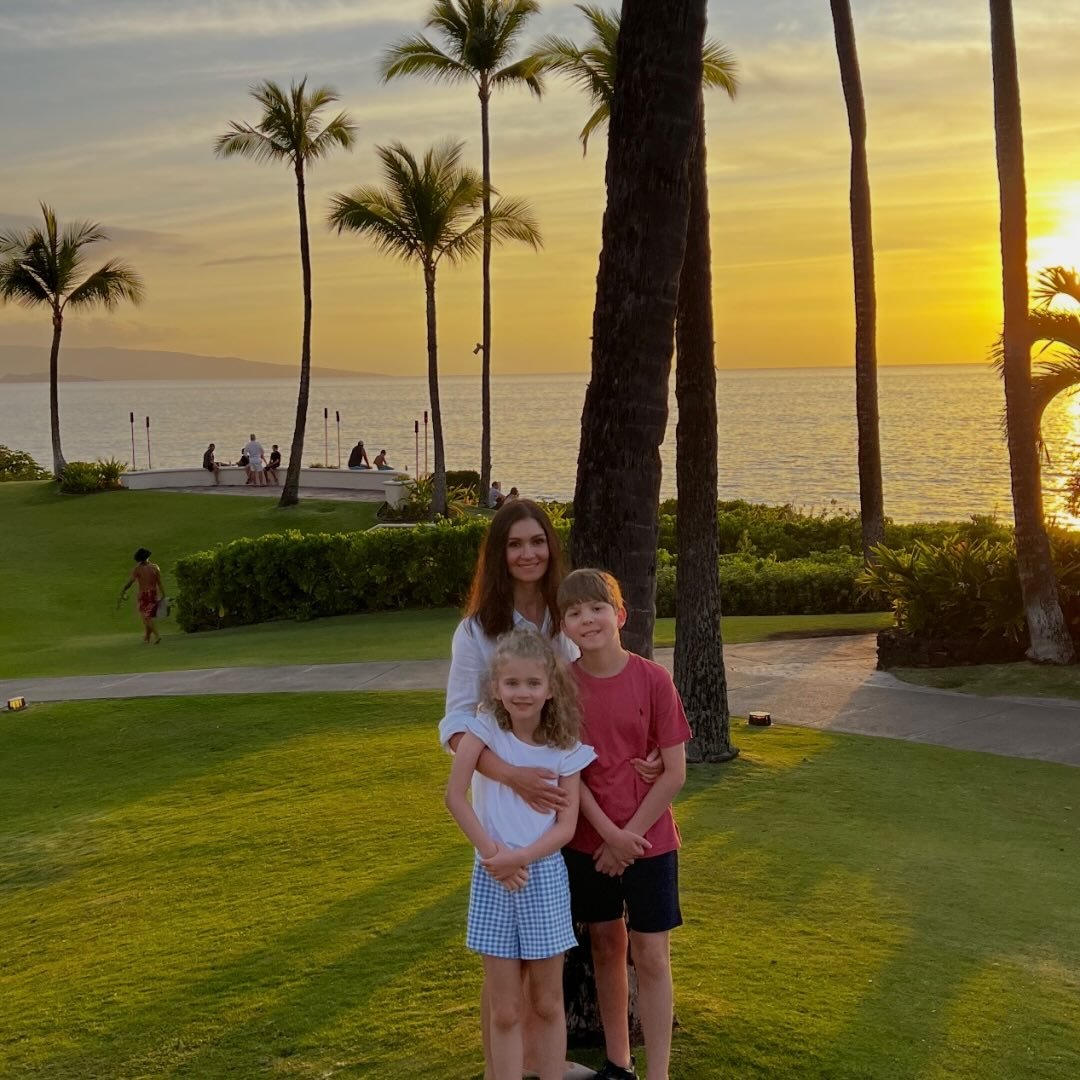
The Lake Club, known for its luxurious multimillion-dollar homes and tranquil setting, is a far cry from the violence that occurred within one of its residences. The family’s $1.7 million home on the 8200 block of Pavia Way, surrounded by palm trees and manicured lawns, became the site of a welfare check that revealed the grim reality. Rubacha’s husband, Richard James, 45, was on a business trip in South America when he grew concerned after failing to contact his family for over a day and a half. He alerted authorities, prompting deputies to arrive at the home around 8:30 p.m. on Thursday.
Upon entering the residence, deputies encountered what MCSO spokesperson Randy Warren described as a “violent scene.” The bodies of Rubacha, Josh, and Emma were found in separate rooms, each with traumatic injuries consistent with gunshot wounds. Josh was discovered in one bedroom, Emma in another, and Rubacha in a third area of the house. The medical examiner’s official report is pending, but preliminary findings indicate that Rubacha killed her son first, possibly earlier in the day, before murdering her daughter and then herself. No other individuals were involved, and there were no prior calls for service to the address, making the incident all the more shocking.
The family’s background paints a picture of apparent normalcy. The Rubachas relocated to Lakewood Ranch from Missouri about three years ago, seeking a fresh start in the affluent community. Social media posts from Rubacha’s Facebook account show a “picture perfect family,” as one friend commented under a 2018 photo of the group smiling together. Josh and Emma were typical preteens and teens—Josh, at 14, was likely navigating high school life, while 11-year-old Emma was still in the throes of childhood. Richard James, a professional whose work took him abroad, appeared to be a devoted father. Neighbors described the family as quiet and unassuming, with no signs of distress or conflict visible from the outside.
Yet, beneath this facade, something went terribly wrong. Investigators have noted evidence of planning in the act, with Warren stating that Rubacha “knew what she was doing.” The phrase “I’m Sorry” on the bedroom door—reported in press conferences and confirmed through evidence collection—adds a layer of eerie finality. Was it a message to her husband, her children, or the world? The simplicity of the words contrasts sharply with the complexity of the motives behind such an act. Mental health experts speculate that undiagnosed depression, postpartum issues lingering from years prior, or overwhelming stress could have played a role, but no definitive motive has been released. Warren emphasized the emotional toll on first responders: “It’s horrible to even imagine what would have been going through the mind of this mother that led up to this. This is a horrible thing for the deputies to have to witness.”

The discovery has rippled through the Lake Club community, where homes like the Rubachas’ are symbols of success and security. Residents expressed disbelief in interviews with local media. “This doesn’t happen here,” one neighbor told the Sarasota Herald-Tribune. “It’s a safe place, full of families. How could this be?” The community association issued a statement acknowledging the tragedy and noting that the matter remains under investigation by MCSO. Grief counseling services have been made available through local schools and organizations, as Josh and Emma’s classmates mourn the loss of their peers.
This incident highlights broader issues in American society, particularly the intersection of mental health, gun access, and family dynamics. Florida, with its relatively lax gun laws, has seen its share of domestic violence incidents involving firearms. According to the Centers for Disease Control and Prevention (CDC), suicide rates have been climbing nationwide, with women and mothers facing unique pressures from societal expectations, career demands, and family responsibilities. The Rubacha case echoes other high-profile murder-suicides, such as the 2024 incident in Texas where a mother killed her three children amid a custody battle, or the 2025 California case involving postpartum psychosis. Experts like Dr. Sarah Thompson, a psychologist specializing in maternal mental health, argue that these tragedies are often preventable with better access to therapy and support systems. “Mothers are under immense pressure,” Thompson told US Magazine in a recent interview. “When isolation sets in, and there’s no outlet, it can lead to catastrophic decisions.”
Richard James’s return from South America was met with unimaginable grief. He arrived Friday morning, only to be notified of the deaths upon landing. Warren described it as an “incredible emotional day” for him, underscoring the human cost beyond the headlines. Family members from Missouri have reportedly flown in to support him, and a GoFundMe page has been set up for funeral expenses and counseling. The page’s description reads: “In memory of Josh and Emma, two bright lights extinguished too soon. Help us honor their lives and support their father through this nightmare.”
As the investigation continues, questions linger about warning signs. Did Rubacha exhibit any behaviors indicating distress? Were there marital issues or financial strains? MCSO has collected “some stuff” as evidence, including potential notes or writings, which may shed light on her state of mind. The “I’m Sorry” phrase, etched on the door, suggests remorse, but it does little to explain the why. In press briefings, Warren has urged the public to respect the family’s privacy while encouraging those struggling with mental health to seek help. “If you’re feeling overwhelmed, reach out,” he said. “There are resources available.”
The tragedy has sparked discussions on social media, with hashtags like #LakewoodRanchTragedy and #MentalHealthMatters trending on X (formerly Twitter). Users have shared personal stories of depression, calling for greater awareness. One post from @MentalHealthAdvocate reads: “This could happen to anyone. Let’s break the stigma and support each other.” Local X searches reveal a mix of condolences and speculation, with users analyzing chronological events from the welfare check to the press conference.
From a broader perspective, this case underscores the need for community vigilance. Gated communities like Lake Club offer physical security, but emotional isolation can persist. Programs like the National Alliance on Mental Illness (NAMI) Florida chapter have ramped up outreach, offering free hotlines (1-800-950-NAMI) and support groups. In Lakewood Ranch, schools have implemented grief sessions, helping students process the loss of Josh and Emma.
As the story develops, more details may emerge about the events leading up to that fateful day. For now, the focus remains on healing for Richard James and the community. The “I’m Sorry” on the door serves as a stark reminder of the fragility of human life and the hidden struggles many face. In the words of Warren, “It’s unimaginable.” The Rubacha family tragedy is a call to action: to listen, to support, and to prevent such horrors from repeating.
News
WHAT THE FAMILY DIDN’T SAY AT FIRST — A relative of Lisa Gail Fields later told investigators there had been “tension building for weeks” involving William Graham Oliver… and in the written statement, one sentence is crossed out but still partially readable under the ink
The investigation into the disappearance of Lisa Gail Fields has entered a deeply psychological phase as the focus shifts from external evidence to the internal dynamics of her own family. In a chilling expansion of the Argument Theory, detectives have…
A MESSAGE THAT CHANGED CONTEXT — Detectives reviewing data linked to Keziah Luker identified a deleted message recovered from backup files… and the restored text shows a single line mentioning William Graham Oliver followed by a timestamp from the afternoon before the incident
The evolution of the investigation into the disappearance of Lisa Gail Fields has taken a sharp and sophisticated turn with the integration of digital forensics into the historical narrative. As detectives work to validate the Argument Theory, a new pillar…

THE ARGUMENT THEORY — Investigators now believe a confrontation involving William Graham Oliver and someone inside the home of Lisa Gail Fields may have happened earlier that week… and one interview note references a “heated exchange in a parked vehicle” that was never officially reported
The investigative landscape surrounding the long-unresolved case of Lisa Gail Fields has shifted dramatically as forensic genealogists and cold case detectives pivot toward what is now being termed The Argument Theory. For decades, the disappearance and presumed murder of Fields…

5 minutes ago: Forensic teams noted serious disturbances in the bedroom, with the safe and desk appearing ransacked, and CCTV footage revealed everything. Police have released the most crucial findings
Restaurateur couple and their two young children found dead in suspected murder-suicide Matthew and Thy Mitchell owned two well-known restaurants in Houston, Texas A well-known Texas restaurateur couple and their two children have been found dead at their home in an apparent murder-suicide,…
⚠️ FAMILY REVELATION: A relative of Thy Mitchell told investigators that she had recently begun discussing future educational plans for her unborn child, while a handwritten list titled “names,” torn into four pieces, was found in the bedroom trash can
Texas Father Killed His Wife, 2 Kids Before Dying by Suicide: ‘Truly No Words’ The victim’s sister, Ly Mai, confirmed that Thy Mitchell and her two children died in a Facebook post on Tuesday, May 5 Thy Mitchell and Matthew…
💔 BUSINESS PRESSURE: Records from Traveler’s Table and Traveler’s Cart relating to Matthew Mitchell and Thy Mitchell show a surge in revenue, followed by a sudden internal restructuring, with a $2.35 million funding cycle ending just 48 hours before operations ceased. And the MOTIVE is no longer simply ADULTERY
What to know about Thy and Matthew Mitchell and their Houston restaurants, Traveler’s Table and Traveler’s Cart Owners Matthew and Thy Mitchell of Traveler’s Cart and Traveler’s Table. (Raquel Natalicchio/Staff photographer) Houston restaurateur Thy Mitchell, who co-owned the globally inspired…
End of content
No more pages to load