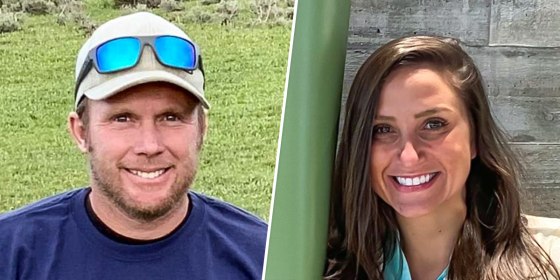
In the high-stakes murder trial of Kouri Richins in Park City, Utah, prosecutors have introduced intimate text messages between the 35-year-old defendant and her alleged lover, Robert “Josh” Grossman — a 43-year-old Iraq war veteran and handyman who worked on her properties — as key evidence of motive. The messages, which include repeated declarations of “I love you,” were exchanged in the months leading up to the March 4, 2022, death of Richins’ husband, Eric Richins, 39. Prosecutors argue the timing of these romantic communications overlaps with periods when Richins allegedly acquired fentanyl, the drug that killed Eric at five times a lethal dose.
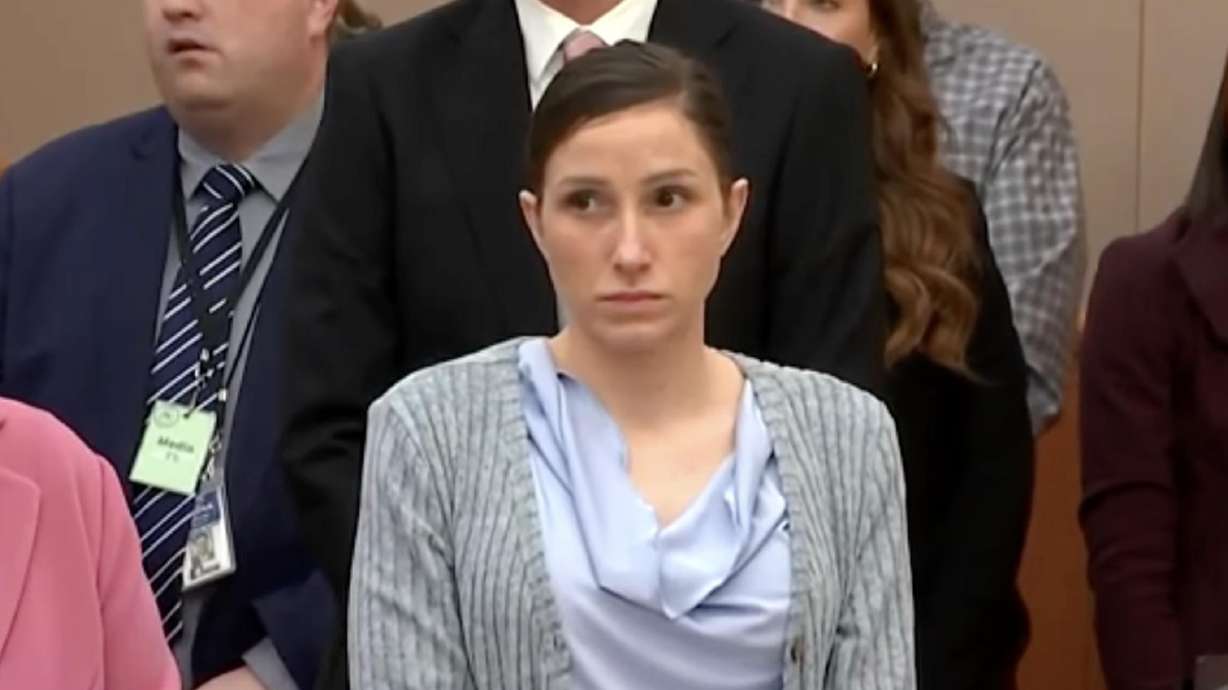
Grossman, who took the stand in early March 2026 during the trial’s second week, became emotional as prosecutors read aloud dozens of texts between him and Richins. The exchanges revealed a passionate, secretive affair that began years earlier and intensified in late 2021 and early 2022. In one pre-death message, Richins reportedly texted Grossman something along the lines of “I love you so much” or “I love you,” with variations including affectionate sign-offs like “good night I love you.” Other texts showed her sharing her location via GPS on Valentine’s Day 2022 (February 14), apologizing for limited time together due to her family obligations, and discussing future dreams — including hypothetical questions like “If I was divorced right now and asked you to marry me tomorrow, you would?”
Grossman testified that he was “head over heels” in love with Richins, describing their relationship as one where they confided in each other like best friends. He wiped away tears while verifying the authenticity of the messages, which prosecutors presented to demonstrate Richins’ desire for a life without Eric amid mounting financial strain and marital discord. The affair reportedly continued after Eric’s death, with Grossman describing Richins’ behavior in the immediate aftermath — including a chilling post-death conversation where she allegedly asked him how it felt to kill someone, a question he found unsettling given his military background.
Prosecutors tie these romantic texts directly to the timeline of the alleged fentanyl procurement. Phone records and digital forensics show Richins communicating with Grossman frequently starting in November 2021, around the same period she allegedly began sourcing fentanyl through her housekeeper, Carmen Lauber. Lauber testified earlier in the trial that she obtained the drug multiple times for Richins, including deliveries in the weeks before Eric’s death, and expressed concern about its intended use. Prosecutors allege Richins spiked a homemade Moscow mule cocktail with the illicit fentanyl on the night of March 3, 2022; Eric consumed it, went to bed, and was found unresponsive around 3 a.m. Toxicology confirmed fentanyl intoxication with no alcohol or other substances contributing significantly.
The overlap is critical to the motive argument: Richins faced millions in debt from real estate ventures and property flips, had allegedly forged changes to life insurance policies to increase payouts (without Eric’s knowledge), and was pursuing a luxurious lifestyle while her marriage deteriorated. Texts to Grossman reportedly included discussions of future plans together, which prosecutors say provided incentive to eliminate Eric. Additional phone data recovered from seized devices (including Grossman’s, Lauber’s, and others) showed searches on Richins’ phone related to lethal fentanyl doses, luxury prisons, and recovering deleted messages — though much early 2022 data was deleted.
Grossman, granted immunity for his testimony, provided emotional context to the affair but did not directly implicate Richins in the poisoning. He described their relationship as complicated by her marriage and children, yet deeply affectionate. Defense attorneys have challenged the prosecution’s narrative, arguing no direct evidence shows Richins administered the drug and suggesting alternative explanations for Eric’s death, though no strong proof of his prior illicit drug use emerged.
The trial, ongoing in Summit County Third District Court as of mid-March 2026, features five counts against Richins: first-degree aggravated murder, attempted criminal homicide (for alleged prior poisoning attempts), forgery, and fraudulent insurance-related charges. She faces 25 years to life if convicted of aggravated murder. The defense rested without calling witnesses, and Richins waived her right to testify. Closing arguments are anticipated soon, with the jury set to deliberate.
The case has captivated national attention due to Richins’ self-published children’s book, “Are You With Me?” — written about coping with loss and released shortly after Eric’s death — now viewed by many as ironic or suspicious. Eric Richins, a father of three and business owner, is remembered by family as dedicated; his relatives hired a private investigator whose work helped build the case.
Prosecutors continue to emphasize the convergence of romantic intent, financial desperation, and drug access as painting a picture of premeditated murder. The “I love you” texts, once private expressions of affection, now stand as courtroom evidence potentially sealing Richins’ fate.
News
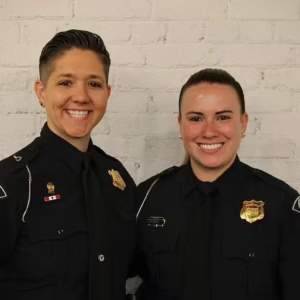
5 LIVES CHANGED IN JUST MINUTES… Ashley Munoz’s story continues moving people across Greenville as support pours in for Diana Munoz… and now, what visitors are saying about a handwritten message left at the memorial is making others stop and read it twice
Five lives were changed — and ended — in just minutes on Highway 101 near the Bellview Road extension in Spartanburg County, South Carolina. The head-on collision at 12:45 a.m. on May 15, 2026, not only claimed the life of…
THAT’S THE PART I CAN’T STOP THINKING ABOUT…🚨 11 years of service came to a devastating end for Ashley Munoz after the Highway 101 tr@g3dy… and now, a former student is sharing a memory that begins with 3 unexpected words
THAT’S THE PART I CAN’T STOP THINKING ABOUT…🚨 11 Years of Service Came to a Devastating End for Ashley Munoz After the Highway 101 Tragedy… and Now, a Former Student Is Sharing a Memory That Begins With 3 Unexpected Words…
HEARTBREAKING: 2 SERGEANTS. 1 FAMILY. 1 NIGHT THAT NO ONE CAN FORGET 💔 Ashley Munoz never made it home while Diana Munoz continues fighting to recover… and now, what a close friend remembered about the last photo they took together is leaving people emotional
HEARTBREAKING: 2 SERGEANTS. 1 FAMILY. 1 NIGHT THAT NO ONE CAN FORGET 💔 Ashley Munoz Never Made It Home While Diana Munoz Continues Fighting to Recover… and Now, What a Close Friend Remembered About the Last Photo They Took Together…
“WAIT… WHAT DID SHE SAY BEFORE THEY LEFT?” 😳 12:45 A.M. changed everything for Ashley Munoz, Diana Munoz, and multiple families after the devastating South Carolina cr@sh… and now, one coworker keeps replaying a 7-word comment Ashley made during their last conversation together
“WAIT… WHAT DID SHE SAY BEFORE THEY LEFT?” 😳 12:45 A.M. Changed Everything for Ashley Munoz, Diana Munoz, and Multiple Families After the Devastating South Carolina Crash… and Now, One Coworker Keeps Replaying a 7-Word Comment Ashley Made During Their…
3 WARNING SIGNS WERE MISSED: A doctor says Kyle Busch’s reported health scare may have been preventable — and one symptom allegedly appeared days earlier👇
Doctor Says Kyle Busch’s Health Warning Signs Were Overlooked: ‘This Shouldn’t Have Happened’ A prominent sports physician is raising major questions about the timeline leading up to the death of NASCAR legend Kyle Busch — and suggested those closest to him might have…

“ SHE’S LOVING EVERY SECOND OF IT.” 😳 The sister of a victim featured in The Crash is speaking out after Mackenzie Shirilla’s sudden surge in attention — and one comment she made is now fueling even more backlash online 👀 But it’s the specific moment from the documentary that reignited the outrage all over again… 👇
Sister of “The Crash” victim infuriated by Mackenzie Shirilla’s newfound fame: ‘She’s loving every second’ “It’s exactly what she’s always wanted,” says Dominic Russo’s sister Christine of his girlfriend and convicted murderer. ‘The Crash’ documentary subject Mackenzie Shirilla Credit: Netflix…
End of content
No more pages to load