The disappearance of James “Jimmy” Gracey, the 20-year-old University of Alabama junior from Elmhurst, Illinois, has escalated into a deeply unsettling mystery with the emergence of new details about cryptic text messages sent from his phone after he vanished in Barcelona, Spain.
Gracey was last seen by friends around 3:00 a.m. on March 17, 2026, outside Shôko (also known as Shôkò), the iconic beachfront nightclub and restaurant in Barcelona’s Port Olímpic district on Barceloneta Beach. The venue, famous for its ocean views, high-energy DJ sets, and late-night crowds, is a staple of the city’s vibrant spring break scene. Gracey had been out with friends studying abroad, but separations occurred as the night wound down—one friend departed while Gracey opted to remain.

According to family and investigative sources, a series of one-word replies were sent from Gracey’s phone to a concerned friend beginning at approximately 3:35 a.m.—roughly 30-35 minutes after his last confirmed sighting at the club. These messages, described as cryptic and minimal (such as short affirmations or evasions), were intended to reassure the sender that Gracey was fine. However, forensic analysis of the phone’s metadata—conducted by Catalan police (Mossos d’Esquadra) after the device was recovered—revealed a chilling discrepancy: the texts originated from a location significantly distant from the Port Olímpic area, potentially several kilometers away or even on the opposite side of the city.
This revelation has intensified speculation about coercion, device theft, or an abrupt relocation under duress. The phone itself, now in police custody, was obtained under circumstances that remain partially unclear in public reports—though earlier accounts suggest it was turned in by a third party or linked to an unrelated arrest. No widespread confirmation exists of visible damage like a cracked screen in official channels, but the metadata mismatch alone has shifted the case from a routine missing person inquiry to one probing possible foul play.
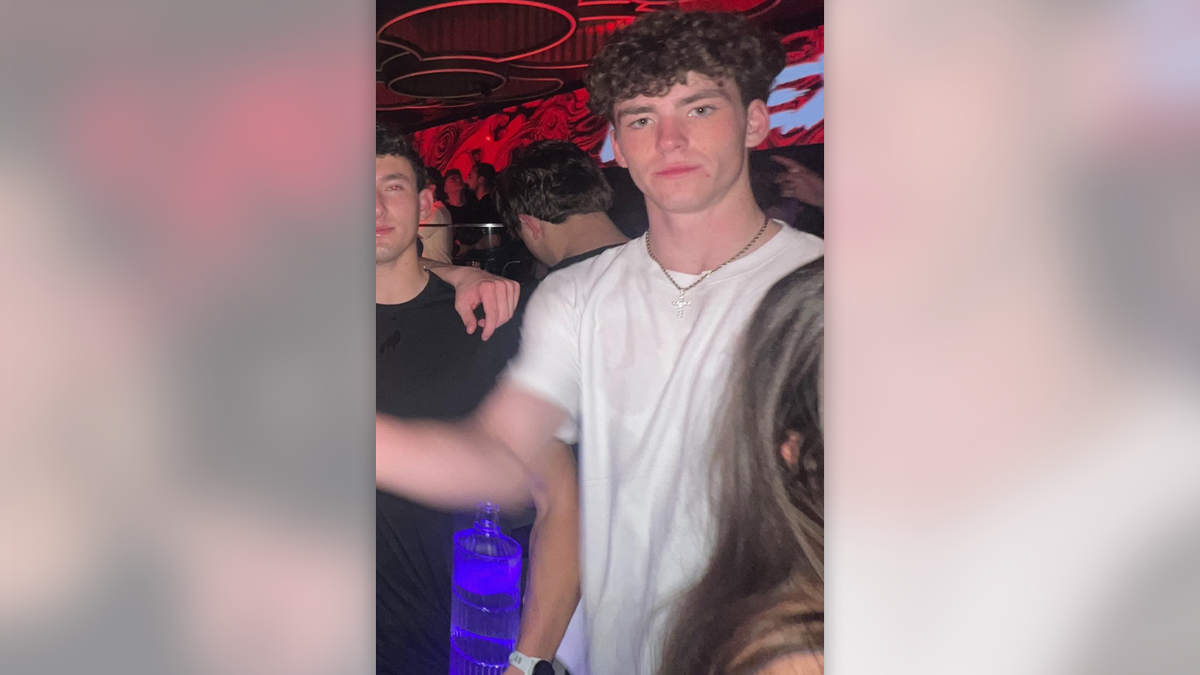
Gracey was dressed casually at the time: a white T-shirt, dark pants (likely joggers), and his recognizable gold chain necklace with a rhinestone cross pendant. At 6 feet 1 inch tall and about 175 pounds, with curly brown hair and blue eyes, he appears approachable and energetic in family photos shared widely online—often captured smiling at University of Alabama events or with Theta Chi fraternity brothers.
The family’s response has been swift and emotional. Gracey’s father, Taras Gracey, flew to Barcelona to liaise directly with investigators and search teams. His mother, Therese Gracey, has posted repeated appeals on Facebook and in expat/student groups, emphasizing the phone’s recovery but stressing that Jimmy never returned to the Airbnb on Ronda de Sant Pere. A family spokeswoman, Noreen Heron, has coordinated media updates, while the U.S. State Department provides consular assistance. The University of Alabama confirmed Gracey was traveling personally and offered support to the family.
Catalan authorities opened the investigation shortly after the early-morning report on March 17, reviewing CCTV from Shôko and nearby streets, witness statements, and phone data. Searches have focused on the beachfront, Port Olímpic pathways, and surrounding neighborhoods, but no confirmed sightings have surfaced beyond the initial club exit. The one-word texts and geolocation anomaly have prompted questions about whether someone else accessed the device—perhaps after an encounter gone wrong—or if Gracey was moved against his will.
This development underscores the perils of nightlife abroad during spring break: crowded venues where phones can be lost or taken, late-hour separations, and the challenges of cross-border investigations. Barcelona’s Mossos d’Esquadra continue to urge tips from the public, including any recollections of Gracey post-3 a.m. or details about unusual activity near Shôko. Family-provided contact numbers (such as 224-505-3886 or direct lines shared in appeals) remain active for information.
As March 19, 2026, approaches—marking over 48 hours since his last verified presence—the Gracey family’s hope persists amid growing alarm. Friends from Saint Ignatius College Prep in Chicago, UA classmates, and online communities amplify every update, turning a personal tragedy into a widespread call for answers. The cryptic messages, sent from afar, serve as a haunting reminder: a simple “I’m okay” can sometimes conceal the opposite.
The search presses on, with authorities analyzing every digital trace and physical lead. For Jimmy Gracey’s loved ones, each passing hour without resolution deepens the heartbreak, as they await the breakthrough that could bring him home.
News
5 LIVES CHANGED IN JUST MINUTES… Ashley Munoz’s story continues moving people across Greenville as support pours in for Diana Munoz… and now, what visitors are saying about a handwritten message left at the memorial is making others stop and read it twice
Five lives were changed — and ended — in just minutes on Highway 101 near the Bellview Road extension in Spartanburg County, South Carolina. The head-on collision at 12:45 a.m. on May 15, 2026, not only claimed the life of…
THAT’S THE PART I CAN’T STOP THINKING ABOUT…🚨 11 years of service came to a devastating end for Ashley Munoz after the Highway 101 tr@g3dy… and now, a former student is sharing a memory that begins with 3 unexpected words
THAT’S THE PART I CAN’T STOP THINKING ABOUT…🚨 11 Years of Service Came to a Devastating End for Ashley Munoz After the Highway 101 Tragedy… and Now, a Former Student Is Sharing a Memory That Begins With 3 Unexpected Words…
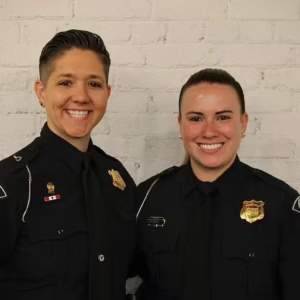
HEARTBREAKING: 2 SERGEANTS. 1 FAMILY. 1 NIGHT THAT NO ONE CAN FORGET 💔 Ashley Munoz never made it home while Diana Munoz continues fighting to recover… and now, what a close friend remembered about the last photo they took together is leaving people emotional
HEARTBREAKING: 2 SERGEANTS. 1 FAMILY. 1 NIGHT THAT NO ONE CAN FORGET 💔 Ashley Munoz Never Made It Home While Diana Munoz Continues Fighting to Recover… and Now, What a Close Friend Remembered About the Last Photo They Took Together…
“WAIT… WHAT DID SHE SAY BEFORE THEY LEFT?” 😳 12:45 A.M. changed everything for Ashley Munoz, Diana Munoz, and multiple families after the devastating South Carolina cr@sh… and now, one coworker keeps replaying a 7-word comment Ashley made during their last conversation together
“WAIT… WHAT DID SHE SAY BEFORE THEY LEFT?” 😳 12:45 A.M. Changed Everything for Ashley Munoz, Diana Munoz, and Multiple Families After the Devastating South Carolina Crash… and Now, One Coworker Keeps Replaying a 7-Word Comment Ashley Made During Their…
3 WARNING SIGNS WERE MISSED: A doctor says Kyle Busch’s reported health scare may have been preventable — and one symptom allegedly appeared days earlier👇
Doctor Says Kyle Busch’s Health Warning Signs Were Overlooked: ‘This Shouldn’t Have Happened’ A prominent sports physician is raising major questions about the timeline leading up to the death of NASCAR legend Kyle Busch — and suggested those closest to him might have…

“ SHE’S LOVING EVERY SECOND OF IT.” 😳 The sister of a victim featured in The Crash is speaking out after Mackenzie Shirilla’s sudden surge in attention — and one comment she made is now fueling even more backlash online 👀 But it’s the specific moment from the documentary that reignited the outrage all over again… 👇
Sister of “The Crash” victim infuriated by Mackenzie Shirilla’s newfound fame: ‘She’s loving every second’ “It’s exactly what she’s always wanted,” says Dominic Russo’s sister Christine of his girlfriend and convicted murderer. ‘The Crash’ documentary subject Mackenzie Shirilla Credit: Netflix…
End of content
No more pages to load