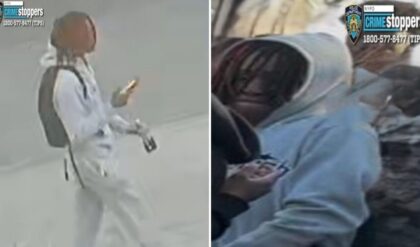
The investigation into the tragic shooting of fifteen year old Jaden Pierre at Roy Wilkins Park has reached a complex technological crossroads as the New York Police Department grapples with a digital paradox. While the incident occurred in a crowded public space where dozens of teenagers were present with mobile devices in hand, the available visual evidence has created a frustratingly incomplete puzzle. Authorities have officially confirmed that they are in possession of and are currently reviewing multiple videos captured by bystanders during the chaotic evening of April 16, 2026. However, in a briefing that highlighted the limitations of even the most connected society, officials noted that none of the clips recovered thus far fully capture the critical starting point of the altercation. This significant gap in the digital timeline has left investigators struggling to determine how quickly the situation escalated from a verbal dispute into a deadly encounter and, perhaps most importantly, who initiated the first physical contact that preceded the gunfire.
The presence of video evidence in modern homicide investigations is often seen as a panacea for the ambiguities of witness testimony, yet the case of Jaden Pierre proves that quantity does not always equate to clarity. The videos currently under review by the NYPD’s forensic unit were largely filmed as the conflict reached its peak or after the first shots were fired. This phenomenon, often referred to as reactive filming, means that the most vital seconds of the interaction—the spark that ignited the flame—remain undocumented. Detectives believe that understanding the genesis of the fight is the only way to accurately categorize the crime and identify the primary aggressor. Without visual confirmation of the first push or the first words exchanged, the defense for any potential suspect could potentially argue self defense or provocation, a legal loophole that the prosecution is desperate to close with objective proof.
Investigators are particularly focused on a narrow window of approximately three to five minutes before the shooting occurred. According to preliminary witness statements, Jaden Pierre was approached by a group of his peers while he was on the basketball court. While some videos show the group surrounding him and the subsequent melee, the initial approach remains elusive. This missing footage is critical because it would reveal whether the suspect arrived with a weapon drawn or if the decision to use a firearm was a split second escalation during a physical struggle. The distinction between a premeditated execution and a dispute that spiraled out of control hangs in the balance of this missing visual data. Furthermore, the identity of the person who initiated physical contact is a legal pivot point. If the suspect is the one who threw the first punch, it significantly strengthens the case for second degree murder.
The culture of social media filming has played a dual role in this investigation. While it has provided police with a wealth of perspectives on the panic and the flight of the suspects, it has also hindered the search for the truth. Many of the teenagers present were reportedly using apps like Snapchat or Instagram Live, which prioritize immediate action over context. As a result, many cameras were only pointed at Jaden and his attackers once the shouting became loud enough to draw attention, by which time the initial physical contact had likely already occurred. Detectives are now making a plea to anyone who may have been “vlogging” or filming background footage in the park earlier in the afternoon. They hope that a bystander’s accidental background capture might have caught the suspect entering the park or the very moment the two parties crossed paths.
The technological hunt for the truth at Roy Wilkins Park extends beyond just cell phone cameras. The NYPD is also auditing the functionality and coverage of the permanent park security cameras. Questions have been raised by community advocates regarding whether the cameras installed in the park were fully operational and positioned correctly to monitor the playground and basketball courts. In many urban parks, “blind spots” are well known to local residents, and there is a growing concern that the perpetrator may have deliberately chosen a location for the confrontation that they knew was just outside the direct line of sight of official city surveillance. This possibility adds a layer of premeditation to the crime, suggesting the suspect was not just a hot headed teenager but someone who had considered the consequences of being caught on camera.
The vacuum in the timeline created by the lack of “starting point” footage is being filled by increasingly detailed, yet sometimes conflicting, witness depositions. Some teenagers claim that the suspect walked up and immediately struck Jaden, while others suggest there was a lengthy argument involving multiple people. This discrepancy is exactly why the video evidence is so vital. In a high stress situation involving minors, memory can be influenced by fear, peer pressure, or the sheer trauma of witnessing a friend being shot. The “objective eye” of a camera lens is the only thing that can resolve these contradictions. The police are currently using advanced software to stabilize and enhance the existing clips, hoping that reflections in windows or the screens of other phones visible in the frames might provide a secondary angle of the initial contact.
For the family of Jaden Pierre, the wait for an arrest is compounded by the knowledge that the truth exists on someone’s hard drive or cloud storage. They have joined local leaders in calling for anyone with “contextual footage” to come forward. The emphasis is on the word context—police do not just need to see the tragedy; they need to see the lead up. The missing footage might also reveal if Jaden tried to walk away or if he was trapped by the group, a detail that speaks to the victim’s character and his attempts to de escalate the situation. Jaden was known as a peaceful student, and his family is confident that any footage of the start of the fight would show him as a victim of unprovoked aggression.
As the investigation enters this new digital phase, the NYPD is also looking into the possibility that some footage was deliberately deleted. There are reports that individuals close to the suspect may have pressured witnesses to scrub their social media accounts of any videos that showed the suspect’s face clearly or captured the beginning of the assault. Forensic experts are working to recover deleted data from phones that were in the vicinity of the park during the shooting. This “digital obstruction of justice” is a growing trend in gang related and personal dispute shootings, making the work of the 113th Precinct significantly more difficult. The gap in the timeline is not just a technical error; it may be a result of a coordinated effort to hide the truth.
The broader implications of this case for the St. Albans community are significant. It has sparked a conversation about the safety of public spaces and the efficacy of “smart city” technology in preventing and solving crimes. If a teenager can be killed in a crowded park during daylight hours and the police cannot find a single video of the start of the fight, it suggests a major vulnerability in public security. Community leaders are demanding better lighting and more comprehensive camera coverage for Roy Wilkins Park to ensure that no future family has to deal with the ambiguity that currently plagues the Jaden Pierre investigation.
In the final analysis, the pursuit of justice for Jaden Pierre is currently a race against the limitations of digital evidence. The NYPD is certain that the answer to who initiated the contact and how quickly the situation escalated lies within the missing seconds of the afternoon. Until that “critical starting point” is found, the timeline remains a broken chain, and the killer remains at large. The search for that one elusive video—the one that started before the first punch was thrown—continues to be the top priority for detectives. They remain hopeful that someone, somewhere, has a clip that was forgotten or overlooked, a clip that will finally provide the clarity needed to bring a sense of peace to a grieving family and a neighborhood in shock. The memory of Jaden Pierre, a fifteen year old with a bright future, deserves a complete and truthful accounting of his final moments, free from the gaps and shadows that currently define the record.
News

BREAKING DOWN THE MOMENTS BEFORE, Jaden Pierre was seen earlier in the day at the same playground laughing with friends, but witnesses now say his mood changed shortly before the incident, as detectives try to determine whether a prior encounter that afternoon played a role — something still missing from the official timeline that could completely reshape the case…
The investigation into the tragic shooting of Jaden Pierre at Roy Wilkins Park has moved into a meticulous forensic reconstruction of the victim’s final hours, as detectives pivot their focus from the act of violence itself to a mysterious shift…
“HE KNEW HIM!” One witness reportedly told police, suggesting the suspect and Jaden Pierre were not strangers before the shooting, as investigators expand their search for a teenager seen fleeing Roy Wilkins Park moments after the attack — and authorities are now examining whether a personal item belonging to Jaden Pierre was deliberately taken from the scene…
The investigation into the tragic demise of fifteen year old Jaden Pierre has entered a harrowing new phase as the New York Police Department shifts its focus toward a deeply personal motive that may have fueled the violence at Roy…
HE WAS RIGHT THERE! Witness screams as chaos erupts at the playground where 15-year-old Jaden Pierre was shot, with one teen telling police the suspect stood “close enough to touch him” seconds before disappearing into the crowd — and investigators now believe a recovered item near Jaden Pierre’s belongings could explain why he was targeted but haven’t revealed what it is yet… 🚨
THE SILENT WITNESS AND THE 42-SECOND MYSTERY: UNRAVELING THE TRAGEDY OF JADEN PIERRE The atmosphere at Roy Wilkins Park in St. Albans, Queens, is usually defined by the rhythmic bouncing of basketballs and the vibrant energy of youth. However, the…
911 CALL BREAKDOWN: 911 audio linked to the shooting of Jaden Pierre, 15, captures a caller screaming about a teenager “not moving” at the playground moments after gunfire erupted. But dispatch records show something unusual — a second call came in from inside the park just 42 seconds later… and investigators are now trying to identify who made it. 🚨
911 CALL BREAKDOWN: THE HAUNTING SECONDS AFTER THE DEATH OF JADEN PIERRE The tranquility of Roy Wilkins Park in St. Albans, Queens, was shattered on the evening of April 16, 2026, by a sequence of events that left a community…

NANCY HAS BEEN LOCATED” — Authorities confirm Nancy has been found after an urgent search spanning multiple hours and locations. What happens next in the investigation is now the key question 👀👇
Pima County sheriff’s agency posts ‘Nancy has been located’ — and ripped for misleading message The under-fire sheriff’s department leading the investigation into Nancy Guthrie’s kidnapping is facing fresh flak after sharing a heart-stopping post that left many thinking the 84-year-old mom had…
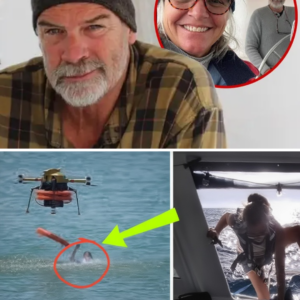
LAST SIGHTING REVEALED: A man who says he was one of the last people to see Brian Hooker before the disappearance of Lynette Hooker in the Bahamas has described a late-night “boozy” evening. He says the encounter lasted about 3 hours, and one unusual detail he noticed about Brian during that time is now drawing fresh attention 👀👇
One of last people to see Brian Hooker before wife Lynette vanished reveals their boozy evening — and what caught his eye ELBOW CAY, Bahamas — The bartender who served Brian and Lynette Hooker the night before she vanished told The Post…
End of content
No more pages to load