WITNESS STATEMENT: A student near the science building reported seeing Nahida Bristy holding a folded document she did not have earlier that day — and detectives later confirmed that no copies of that document exist in university records
Tampa Bay, Florida — A new eyewitness account has added a compelling layer to the double homicide investigation of University of South Florida (USF) doctoral students Zamil Limon and Nahida Bristy. A fellow student has come forward stating they saw Bristy near the Natural and Environmental Sciences (NES) building on the afternoon of April 16, 2026, holding a folded document that she did not possess earlier that day.
Detectives have since confirmed that no copies or records of any such document exist in official university files, raising questions about its origin and significance in the final hours before the couple vanished.
This latest witness statement connects directly with other emerging physical and digital clues, including a torn piece of paper with unknown handwriting found in the shared apartment and a partially overwritten file on Limon’s laptop.
The Folded Document Sighting
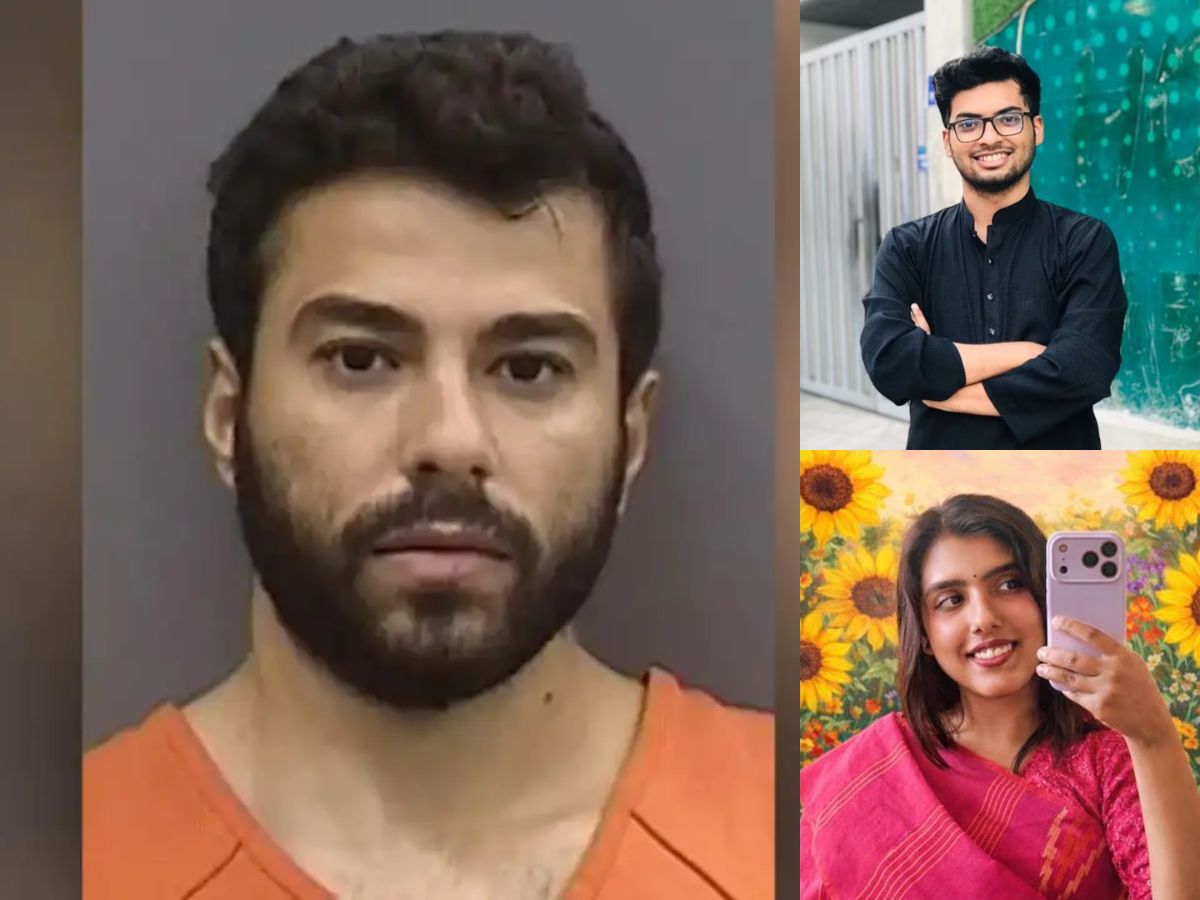
According to the student witness, who was also working in the science complex that day, Bristy appeared focused but normal when seen earlier in the morning around 10 a.m. However, during a later sighting in the afternoon near the NES building, Bristy was observed holding a folded document or paper in her hands. The witness noted it because Bristy seemed to glance at it briefly before placing it in her bag.
The student told investigators that the document looked like official letterhead or a printed form, but they could not see the contents clearly. Importantly, the witness was certain Bristy did not have this item with her during their earlier interaction that day.
Forensic teams and university administrators have reviewed all relevant records. They confirmed that no copies or digital versions of any matching document exist in USF’s official systems, departmental files, or Bristy’s academic records. The absence of any university trace has led detectives to classify the document as potentially external or privately generated.
This sighting aligns temporally with:
Bristy’s last known campus activity around the NES building.
Phone calls and messages exchanged with Limon, including one at 12:41 p.m. and others later in the afternoon.
The final urgent message between Limon and Bristy that referenced roommate Hisham Saleh Abugharbieh.
Connecting the Physical Evidence
The folded document sighting now appears linked to other physical clues recovered from the apartment shared by Limon and Abugharbieh:
A torn piece of paper with handwriting matching neither Limon nor Abugharbieh, containing one incomplete sentence. Forensic document examiners are analyzing whether the handwriting could belong to Bristy or a third party.
Blood evidence patterns in Abugharbieh’s bedroom consistent with two victims, along with cleanup trails.
A CVS receipt from April 16 for black trash bags, Lysol wipes, and air fresheners.
Investigators are examining whether the document Bristy was seen holding was the same or related to the torn fragment later found in the apartment. The incomplete sentence on the torn paper and the single line of text still being decrypted from Limon’s laptop (labeled only with a timestamp) are being cross-referenced for possible connections.
Digital and Location Evidence Timeline
Phone data continues to play a central role:
Limon’s phone pinged in the Clearwater Beach area on the night of April 16, with Abugharbieh’s vehicle also tracked nearby.
The final signal from Limon’s device originated from a spot on or near the Howard Frankland Bridge — a location he had never previously visited with Bristy according to historical data.
Limon’s phone stopped transmitting roughly 27 minutes before his remains were discovered on April 24.
Abugharbieh’s phone data placed him near the bridge after midnight on April 17. His devices allegedly contained ChatGPT searches related to body disposal in black garbage bags, how long bodies remain undiscovered, and changing a vehicle’s VIN.
A separate passerby witness previously reported seeing a man matching Limon’s description in conversation near the bridge area, with an overheard phrase deemed crucial by investigators.
Student Life Patterns and Possible Motive
Fellow students have consistently described Limon and Bristy as close collaborators who often studied late into the night together in labs or the library. Abugharbieh rarely joined these sessions. The couple was romantically involved and had discussed marriage while prioritizing their doctoral degrees — Limon in geography, environmental science, and policy; Bristy in chemical engineering.
The sudden appearance of an untraceable document in Bristy’s possession on the day she disappeared has intensified speculation about whether external pressure, a private arrangement, or a confrontation involving Abugharbieh played a role.
Abugharbieh, 26, faces two counts of first-degree premeditated murder with a weapon, plus charges of tampering with evidence, unlawfully moving a dead body, false imprisonment, failure to report a death, and battery. He was arrested after a brief standoff and remains held without bond.
Community Impact
The Bangladeshi community in Florida and the victims’ families continue to mourn. They have requested Islamic burial rites for the recovered remains and have called for the establishment of a memorial at USF to honor the two promising scholars and support international students.
As handwriting analysis, document forensics, and digital decryption progress, authorities hope the folded document sighting, the torn paper fragment, and the laptop file will help reconstruct the critical final hours.
Anyone with additional information about the case, particularly anyone who saw Bristy with a document on April 16 or has knowledge of activities near Clearwater Beach or the Howard Frankland Bridge that night, is urged to contact the Hillsborough County Sheriff’s Office at (813) 247-8200.
The investigation remains active. Hisham Saleh Abugharbieh is presumed innocent until proven guilty in a court of law.