THE FIRST QUESTION: Officers in Bennington, Vermont, said they initially approached Janette MacAusland to check on her health — but one of the first questions she asked them is now part of the investigative chain of events
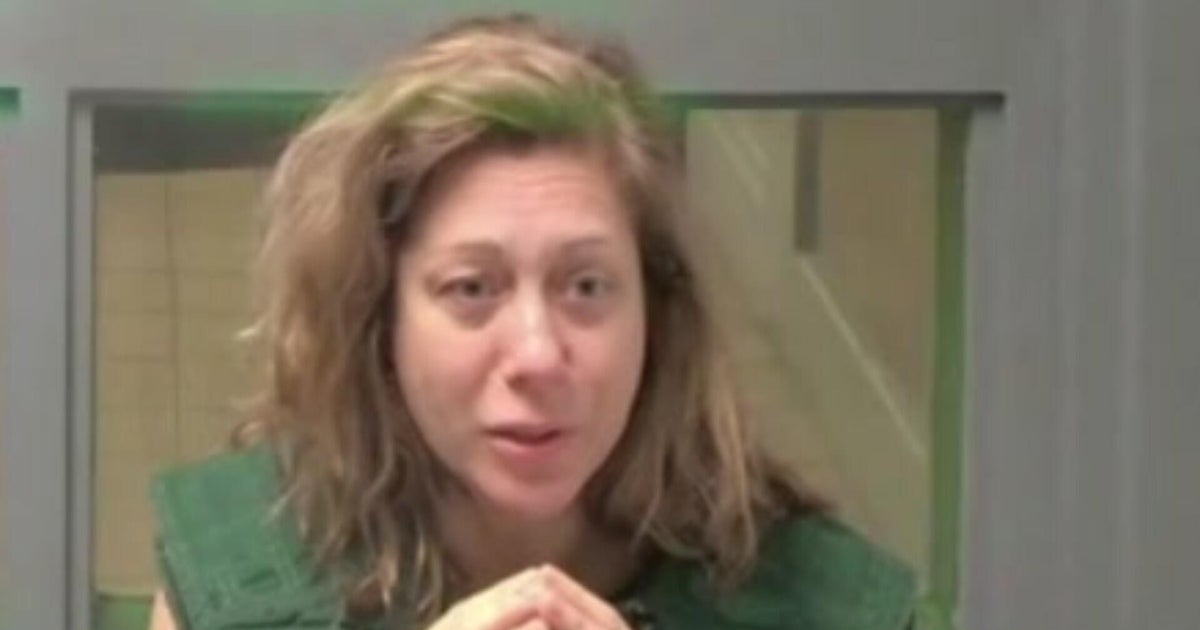
On the evening of Friday, April 24, 2026, officers from the Bennington Police Department in Vermont responded to what appeared to be a routine welfare check at a family residence. The call came in around 9:15 p.m. after a woman arrived at her aunt’s home in a highly distraught state, visibly bleeding from a major laceration on her neck. That woman was Janette R. MacAusland, 49, a resident of Wellesley, Massachusetts, an affluent suburb west of Boston.
Officers initially approached MacAusland to check on her health and safety. She had a significant neck injury and was described as hysterical. What unfolded next transformed a local welfare check into the opening act of a cross-state investigation into the deaths of two young children.

According to police reports and court documents, one of the first interactions involved MacAusland handing officers a holiday family photo that included her two children. When an officer asked about the well-being or whereabouts of the children, MacAusland reportedly responded with a chilling confession: “I strangled them and then I tried to kill myself.” She indicated the children were in her bed back at the family home in Wellesley.
This single question — and the answer it elicited — became the pivotal moment that linked Bennington officers’ concern for the woman before them to the welfare of two children hundreds of miles away. Bennington police promptly contacted the Wellesley Police Department to request a welfare check at MacAusland’s residence on Edgemoor Avenue. Around 9:50 p.m., Wellesley officers confirmed the devastating discovery: the bodies of 7-year-old Kai MacAusland and 6-year-old Ella MacAusland were found deceased in a bed inside the home, consistent with the location their mother had described.
Background: A Family in Turmoil
Janette MacAusland worked as an acupuncturist. She and her husband, Samuel MacAusland, were in the midst of a contentious divorce and custody battle. Court records indicate ongoing disputes over the children and the family home. Some reports suggest MacAusland had filed countersuits related to custody arrangements. Neighbors and community members later described the children as vibrant: Kai, a second-grader who loved reading and was initially shy, and Ella, a kindergartener noted for her outgoing personality and emotional maturity. Both attended Schofield Elementary School in Wellesley.
The family home in Wellesley represented a picture of suburban stability on the surface — tree-lined streets, good schools, and close-knit neighborhoods. Yet behind closed doors, the pressures of a dissolving marriage appear to have escalated. In the hours or days leading up to April 24, authorities allege MacAusland took the lives of her children by strangulation before driving approximately three hours north to Bennington, where extended family resided.

Upon arriving at her aunt’s home (reportedly Sandra Mattison), MacAusland was said to have banged on windows in distress. The aunt initially did not recognize her niece due to the blood and her agitated state. Once inside, MacAusland reportedly told her aunt that she had killed her children and attempted suicide, stating at one point a desire for “the three of us to go to God together.” She also mentioned her husband being “at the lake” when asked about his whereabouts.
The Chain of Events Triggered by That First Question
Bennington officers’ decision to probe beyond MacAusland’s immediate medical needs proved critical. Their growing concern for the unseen children prompted swift inter-agency coordination. The welfare check request crossed state lines efficiently, highlighting effective police communication in urgent cases involving potential child endangerment.
Wellesley police responded quickly and discovered the children. The Massachusetts State Police, assigned to the Norfolk District Attorney’s Office, took lead on the homicide investigation. MacAusland was arrested in Bennington on a fugitive-from-justice charge. She was held without bail at the Marble Valley Correctional Facility in Rutland, Vermont.
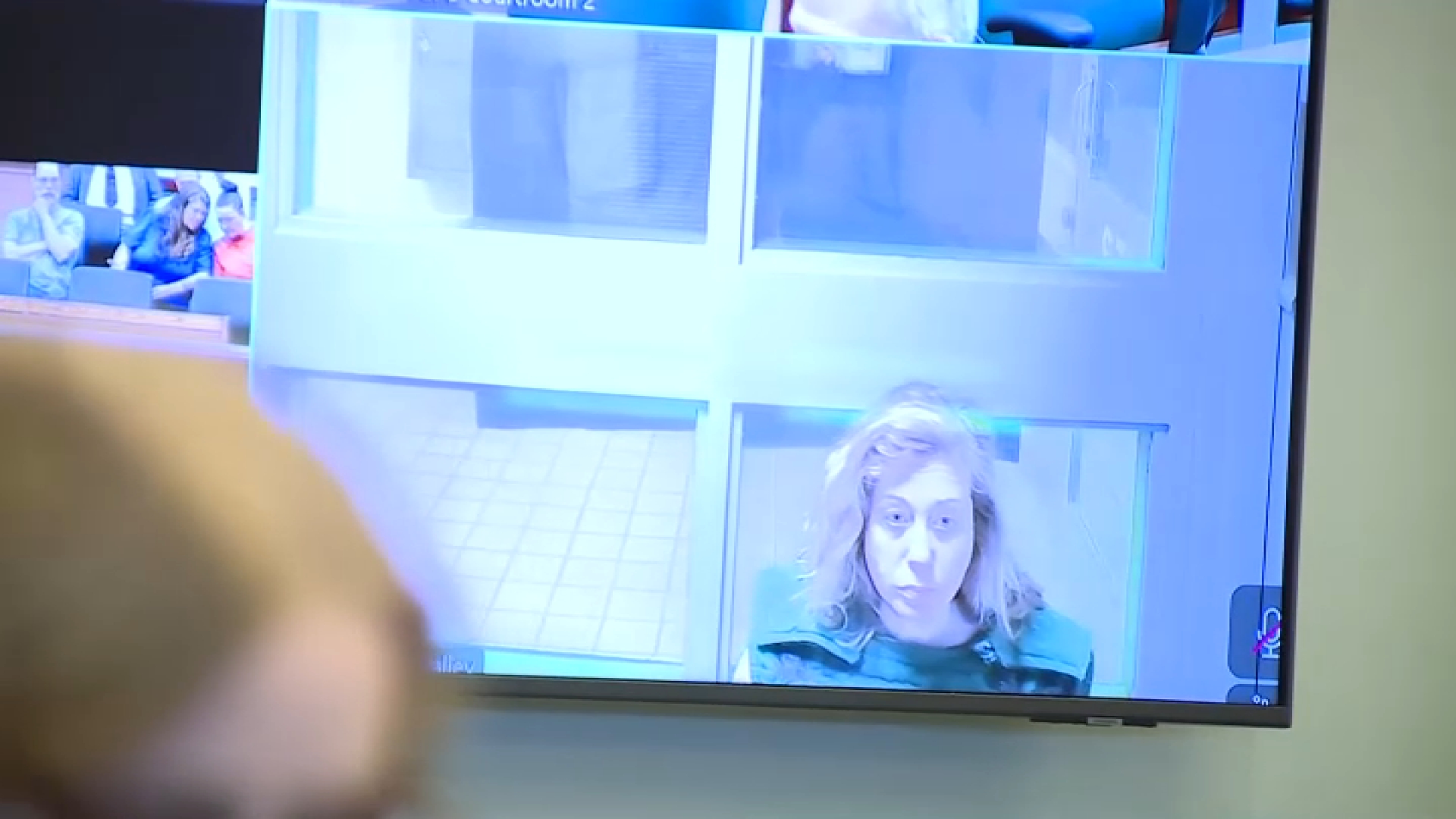
On Monday, April 27, 2026, MacAusland appeared virtually in Vermont court, where she waived her right to contest extradition. Her attorney indicated she wished to return to Massachusetts promptly to face the charges. She is expected to be arraigned on two counts of murder in Norfolk County. As of late April 2026, she remains charged in connection with the deaths of Kai and Ella.
The case has sent shockwaves through both communities. In Wellesley, the school district activated crisis response teams for students, staff, and families. Superintendent David Lussier described it as an “unimaginable loss.” Neighbors placed flowers, stuffed animals, and notes at the family home, mourning two children remembered for their personalities rather than solely as victims. A former babysitter emphasized: “Ella was very outgoing… Kai was a little shyer at first. He loved to read, and they loved to be outside.”
In Bennington, a small town in southwestern Vermont known for its quiet charm and historic sites, the incident brought an unexpected intrusion of tragedy. Local police handled the initial response with professionalism, their actions preventing what could have been further delays in discovering the children’s fate.
The Human and Societal Dimensions
Tragedies like this force uncomfortable questions about mental health, family law, custody disputes, and warning signs that may go unnoticed. A bitter divorce involving young children can create immense emotional strain. Reports of MacAusland’s apparent suicide attempt alongside the alleged killings suggest profound despair, though no official diagnosis or motive has been publicly detailed beyond the police statements.
In filicide cases (the killing of a child by a parent), research often points to complex intersections of depression, perceived loss of control, custody fears, or distorted altruistic motives — such as not wanting children to suffer through a divorce. Without confirmed psychological evaluations, these remain broad patterns observed in similar cases rather than specifics here.
The role of the “first question” in this narrative is symbolically powerful. Officers began with concern for an injured adult, but pivoting to inquire about the children opened the investigative chain. In crisis intervention training, officers are taught to look beyond the immediate scene for dependents, especially when a parent is in distress. Here, that protocol worked as intended, though the outcome was heartbreaking.
Community Impact and Reflections
Wellesley, with its reputation for excellence in education and high quality of life, now grapples with collective grief. Vigils and support services have emerged. The incident underscores that domestic tragedies can strike any community, regardless of socioeconomic status.
Vermont authorities, meanwhile, managed the immediate arrest and detention efficiently before facilitating extradition. The cross-border nature of the case illustrates the importance of rapid information sharing between state agencies.
As the legal process moves forward in Massachusetts, questions linger: Were there prior indicators of risk in the custody proceedings? Could intervention have altered the outcome? Family courts increasingly incorporate mental health screenings in high-conflict divorces, but systemic gaps remain in identifying acute dangers.
Public discourse online and in local media has ranged from expressions of sorrow to speculation about the pressures of modern parenting and divorce. Some voices highlight the need for better support for parents in crisis; others focus on justice for the children.
A Pivotal Moment in a Dark Chain
The events of April 24, 2026, began with officers in Bennington approaching Janette MacAusland out of concern for her health. One of the earliest questions — essentially, “Where are your children?” or “Are the children okay?” — elicited a confession that unraveled a family’s private nightmare into a public tragedy.
This case is a stark reminder of human vulnerability. Behind the facade of suburban normalcy or a quiet evening welfare check can lie profound suffering. The children, Kai and Ella, deserved lives filled with the reading, outdoor play, and growth their community remembers.
As investigations continue and MacAusland faces the justice system, the focus must also remain on preventing similar outcomes through improved mental health resources, family court safeguards, and community awareness. The “first question” in Bennington did not prevent the loss, but it ensured authorities learned the truth swiftly, allowing the system to respond.
In the end, this story is not just about a confession or a police interaction. It is about two young lives cut short, a mother in apparent crisis, and the ripple effects that extend from a Vermont family home to a Massachusetts suburb — and into the hearts of those left to mourn.