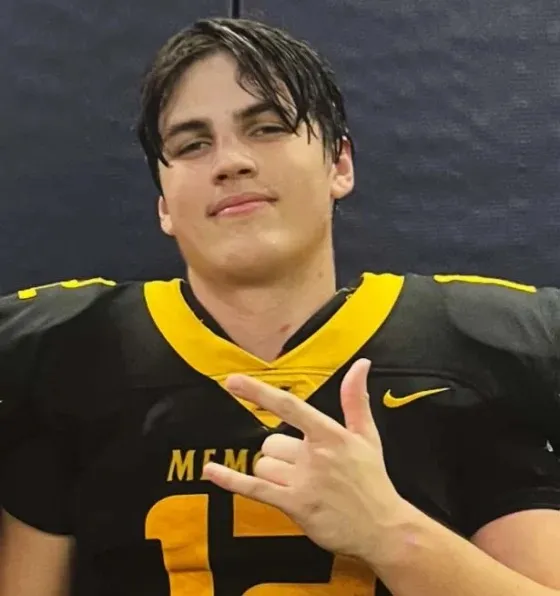
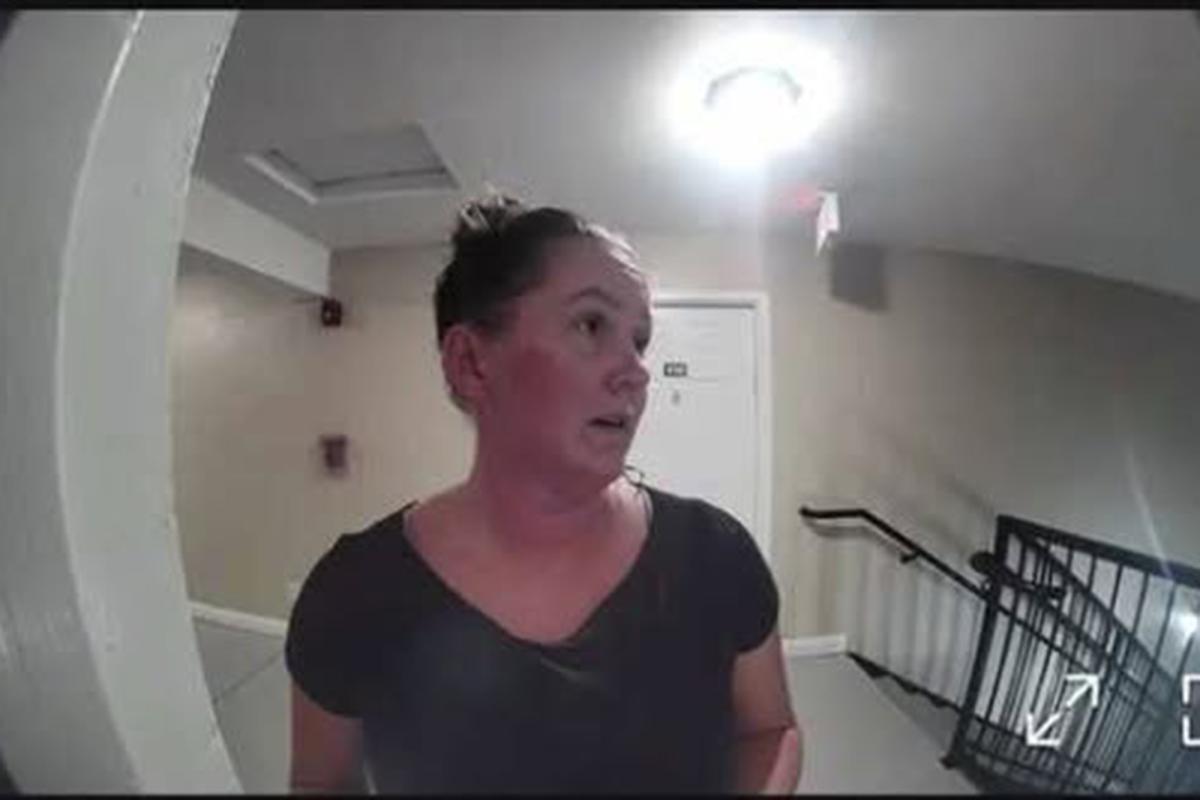
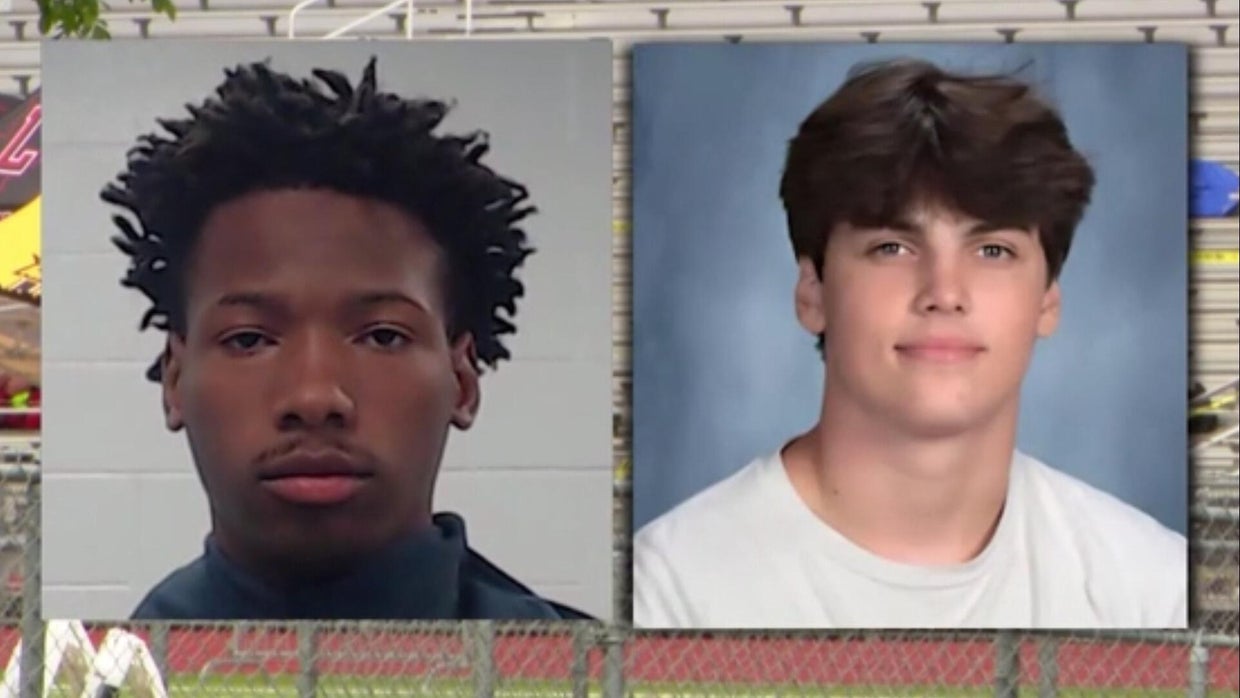
48 HOURS TO AN ARREST — Authorities in Wilmer, Alabama confirmed William Graham Oliver was taken into custody just 48 hours after the bodies of Lisa Gail Fields, Keziah Luker, and Thomas Cordelle Jr. were found… and the arrest report shows his name appeared exactly 3 times in one phone’s recent contact history.

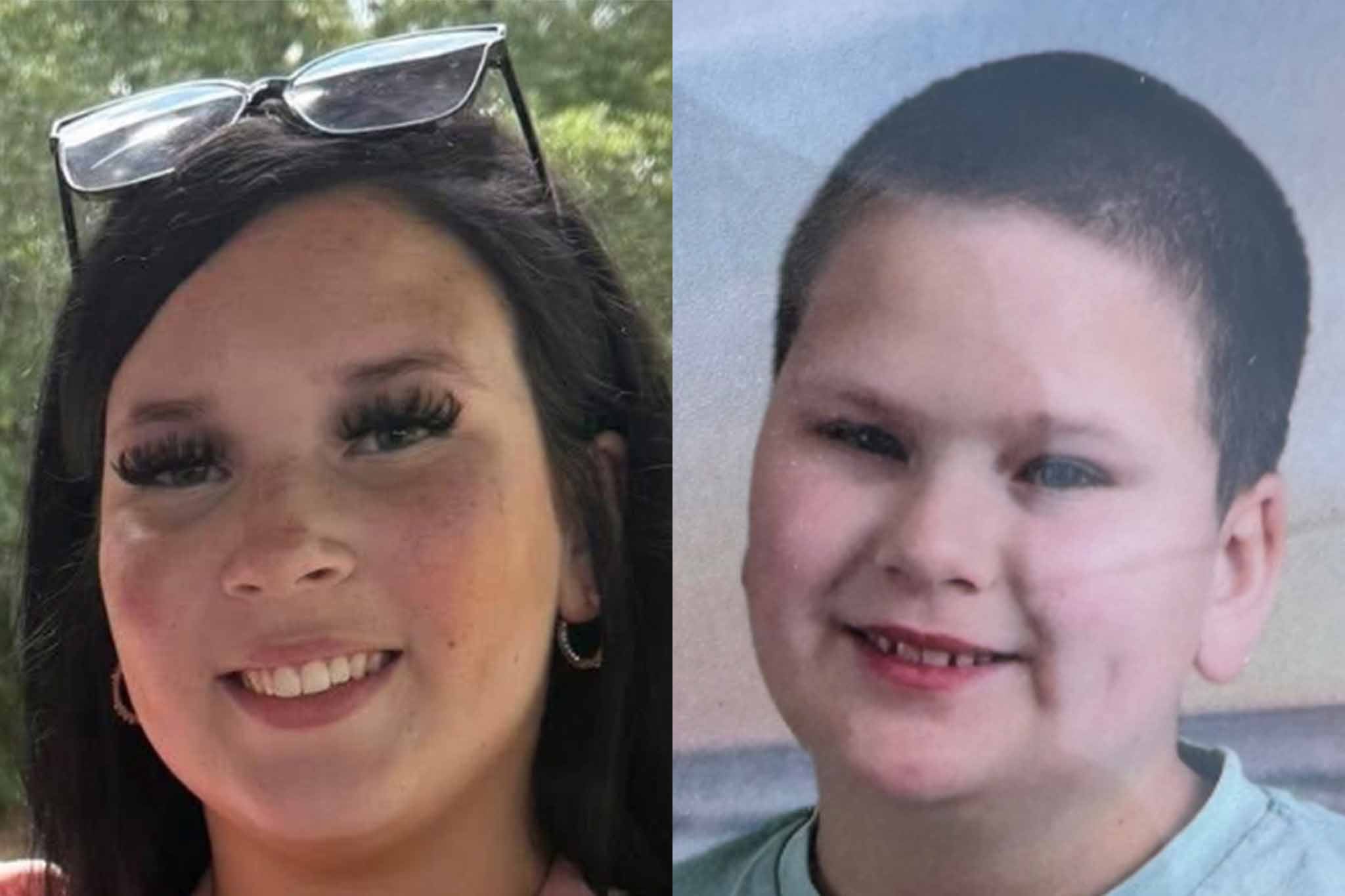
The quiet rural community of Wilmer, Alabama, was shattered in the early hours of April 20, 2026, when authorities responded to a residence on Auble Moody Road and discovered a scene of unimaginable horror. Inside the home, deputies from the Mobile County Sheriff’s Office found the bodies of three family members, each bound with zip ties and left in separate rooms. The victims were identified as 46-year-old Lisa Gail Fields, her 17-year-old daughter Keziah Arionna Luker, who was eight months pregnant, and her 12-year-old son Thomas “TJ” Cordelle Jr. The discovery turned what should have been an ordinary Monday into the starting point of a high-stakes investigation that would culminate in a swift arrest just days later.
Mobile County Sheriff Paul Burch addressed the media in the days following the grim find, confirming the details that sent shockwaves through the tight-knit area located just outside Mobile. The victims had their hands secured behind their backs using zip ties or flex cuffs, a detail that suggested a level of premeditation or control during the attack. Lisa Fields suffered fatal stab wounds, including a deep cut to her throat. Keziah Luker had been shot, and the gunshot claimed not only her life but also that of her unborn child, elevating the case to a quadruple homicide in the eyes of prosecutors and the community. Young Thomas Cordelle Jr. endured a severe throat wound that nearly decapitated him. The home showed signs of being ransacked, as if the perpetrator had been searching for something specific amid the violence.
An 18-month-old child was present in the home during the incident but was found unharmed, a small mercy in an otherwise devastating tragedy. Family members later recounted the anguish of unanswered calls and growing worry that prompted someone, possibly Keziah’s boyfriend and the father of her unborn baby, to alert authorities. The call that brought deputies to the scene around 2:30 a.m. revealed a household torn apart by brutality that defied easy explanation. Neighbors and friends described the family as ordinary people living in a modest rural setting, making the targeted nature of the killings even more perplexing at first glance.
As investigators cordoned off the property and began processing evidence, the Mobile County Sheriff’s Office launched a full-scale probe. Forensic teams collected physical traces from the scene, while detectives interviewed potential witnesses and reviewed any available surveillance or digital footprints. The presence of zip ties pointed toward restraint rather than a spontaneous outburst, and the different methods of killing—stabbing for some victims and shooting for others—raised questions about whether multiple weapons were involved or if the attacker adapted to the circumstances inside the home. The ransacked condition suggested a possible robbery motive, though the extreme violence far exceeded what might be expected in a typical burglary gone wrong.
Community reaction was immediate and profound. Wilmer, a small unincorporated area in Mobile County known for its wooded landscapes and close proximity to larger urban centers, rarely sees crimes of this magnitude. Residents expressed disbelief and fear, with some installing additional security measures or checking on loved ones more frequently. Vigils and memorial gatherings soon followed, where friends and extended family members shared stories of Lisa’s strength as a mother, Keziah’s excitement about impending motherhood, and TJ’s youthful energy. One family member later posted emotionally online, pushing back against early speculation and rumors that had unfairly targeted others before the investigation narrowed its focus.
The breakthrough in the case came remarkably quickly. On April 28, 2026, authorities announced the arrest of 54-year-old William Graham Oliver, a man who lived nearby in the same Wilmer area, approximately 11 miles from the victims’ residence. Oliver was taken into custody after deputies executed a search warrant at his own home and then pulled him over while he was driving in the vicinity. He was transported to the Mobile Metro Jail, where he faced an extraordinary slate of charges: eight counts of capital murder. These included one count for the murder of two or more persons, four counts tied to capital murder during the commission of a burglary, two counts involving the killing of a child under the age of 14, and one count for committing the act in the presence of a child. Additional charges related to burglary were also noted in some reports.
Sheriff Burch emphasized during briefings that Oliver had known the family for quite some time, describing their relationship as longstanding rather than fleeting. This personal connection added layers of complexity and betrayal to the narrative. Crucially, Burch revealed that Oliver had been inside the victims’ home on the evening of Sunday, April 19, around 7:30 p.m., and that he appeared to have been looking for something specific. The sheriff described a “very, very tight timeline” supported by solid circumstantial evidence that gave investigators confidence they had identified the perpetrator. The arrest occurred roughly eight days after the bodies were discovered, though some accounts and social media commentary highlighted the rapid momentum of the case once key pieces fell into place, framing it in terms of authorities acting decisively within a compressed investigative window.
Court documents and subsequent reporting provided additional insights into the alleged sequence of events. According to records reviewed by local media, Oliver allegedly entered the home with the intent to rob Lisa Fields. He is accused of using an unknown sharp object to inflict severe lacerations on both Fields and young Thomas Cordelle Jr. Keziah Luker, the pregnant teenager, was reportedly shot, resulting in the deaths of both her and her unborn child. The zip ties used to bind the victims suggested a degree of preparation or opportunism in controlling the scene. The home’s disturbed state aligned with the purported robbery motive, though the sheer savagery of the attacks left many wondering what could have escalated a search for valuables into multiple murders.
One particularly striking detail emerged from the arrest documentation and phone records: Oliver’s name appeared exactly three times in the recent contact history of one of the phones belonging to the victims. This digital breadcrumb offered a tangible link in the chain of evidence, potentially indicating recent communication or attempts to reach the suspect in the hours or days leading up to the crime. While investigators have withheld some specifics to protect the integrity of the case, this element underscored how modern forensic tools, including cell phone data, can accelerate identifications in otherwise challenging rural investigations.
Oliver’s background included prior arrests for offenses such as burglary, theft, DUI, and domestic-related charges, according to public records referenced in news coverage. These past encounters with the justice system painted a picture of a man with a troubled history, though nothing on the scale of the accusations now leveled against him. At the time of his arrest, he was escorted by deputies in a white jumpsuit, hands cuffed behind his back, and offered little comment to reporters shouting questions about his knowledge of the family or reasons for the alleged actions. His demeanor during the perp walk was described as subdued, head down, providing no immediate explanations or denials in public view.
The legal proceedings against Oliver are expected to be lengthy and complex given the capital nature of the charges. In Alabama, capital murder carries the possibility of the death penalty or life without parole, and the multiple enhancements—targeting vulnerable victims including a pregnant minor and a young child—strengthen the prosecution’s position. Defense attorneys, once appointed or retained, will likely scrutinize the timeline, the circumstantial evidence, and any potential alternative explanations for Oliver’s presence or the phone contacts. Sheriff Burch has described Oliver as the sole suspect, reducing concerns about additional perpetrators but leaving open questions about underlying motives beyond the stated intent to rob.
The impact on the surviving family members cannot be overstated. Lisa Fields’ husband, Nathan, publicly addressed rumors and grief in social media statements, expressing frustration at speculation that had initially swirled around him or others before the arrest. The loss of half a family unit “for nothing,” as one relative described it, has left deep emotional scars. Extended relatives and the community have rallied with fundraisers, prayer services, and support for the young surviving child. Keziah’s boyfriend, who had tried repeatedly to contact her, faced his own layer of trauma, losing both his partner and their expected child in one night of violence.
Broader questions about rural crime, domestic or acquaintance violence, and the effectiveness of quick-response investigations have surfaced in the wake of the case. Wilmer’s location in Mobile County places it within a region that has seen its share of serious crimes, yet this quadruple homicide stood out for its brutality and the ages of the victims. Law enforcement highlighted the importance of digital evidence and community tips in narrowing the focus so efficiently. The search warrant executed at Oliver’s property yielded multiple bags of evidence, though contents remain undisclosed publicly.

As the case moves toward preliminary hearings and beyond, the residents of Wilmer continue processing the trauma. Some have spoken of lost trust in familiar faces, given Oliver’s reported acquaintance with the family. Others emphasize resilience and the need for stronger community bonds to prevent isolation that might enable such acts. Mental health resources have been offered to those affected, recognizing the ripple effects on neighbors who knew the victims casually or through local connections.
Forensic details continue to be analyzed, including ballistics from the gunshot, tool marks or characteristics of the sharp weapon used in the stabbings, and any trace evidence like DNA or fibers that might corroborate the movements of the suspect. The timeline tightness mentioned by Sheriff Burch suggests that phone data, witness statements about Oliver’s whereabouts, or physical evidence from both scenes played pivotal roles. The three appearances of Oliver’s name in recent contacts could indicate planning, a dispute, or an attempt to arrange a meeting that turned deadly.
This incident also highlights the vulnerabilities faced by single-parent or blended households in semi-rural settings, where response times for emergency services can be longer and security measures less robust than in urban environments. The fact that an 18-month-old was spared adds a haunting element—perhaps the child was asleep or in a separate area, or the attacker chose not to target the infant. Such details fuel speculation about the perpetrator’s mindset but remain speculative until trial evidence is presented.
Legal experts following the case note that Alabama’s capital murder statutes allow for charging enhancements when multiple victims, children, or burglary elements are involved, explaining the eight-count indictment. Prosecutors will aim to prove not only that Oliver committed the acts but that they met the criteria for capital offenses, potentially seeking the ultimate penalty. The defense may challenge the voluntariness of any statements, the validity of the search warrant, or the strength of circumstantial links, including the phone contacts and the Sunday evening visit.
In the days after the arrest, local media outlets like FOX10, WKRG, and AL.com provided ongoing coverage, including video of Oliver’s transport to jail and interviews with stunned neighbors who expressed disbelief that someone living nearby could be responsible. One neighbor described the arrest as “stunning,” noting the proximity and the ordinary appearance of daily life in the area. Community gatherings honored the victims with flowers, balloons, and messages emphasizing the innocence of Keziah and TJ.
The unborn child’s death added a layer of profound sadness, with some advocates using the case to discuss support for pregnant teens and the broader societal issues of violence against women and children. Keziah was described by those who knew her as looking forward to motherhood despite her young age, making the loss doubly tragic.
As of late April 2026, the investigation remains active in terms of tying up loose ends, though the primary suspect is in custody. Authorities have urged anyone with additional information to come forward, even as they express confidence in the case built so far. The speed with which Oliver was identified and arrested—framed in some reports around a focused 48-hour window of intensive work once key evidence aligned—demonstrates advancements in sheriff’s office capabilities, from rapid digital analysis to coordinated search efforts.
This case serves as a somber reminder of how violence can erupt within seemingly familiar circles. Acquaintance crimes often prove more challenging emotionally for communities than stranger attacks, as they erode the sense of safety derived from knowing one’s neighbors. In Wilmer, the healing process will be long, involving not just justice for the victims but collective mourning and efforts to restore a sense of security.
Further court proceedings will likely reveal more about the alleged motive, the exact sequence inside the home that night, and any precipitating factors such as disputes or financial pressures that might have driven Oliver to the residence. Until then, the public narrative centers on the victims’ lives cut short and the swift action by law enforcement that brought a suspect before the courts.
The story of the Wilmer quadruple homicide is still unfolding, but its early chapters have already left an indelible mark on southern Alabama. From the horrifying discovery bound bodies in separate rooms to the arrest of a known acquaintance whose name lingered in a victim’s phone history, the case encapsulates themes of betrayal, loss, and the pursuit of accountability. Families grieve, investigators compile their dossier, and a community grapples with the fragility of everyday peace. Justice, in the form of a thorough trial, will be the next major chapter, one that residents hope will provide answers and some measure of closure amid the profound sorrow.