
WHAT REMAINS ON THE TABLE — Photos of the crime scene inside Lisa Gail Fields’ home show items still intact… and a bill that revealed the suspect William Graham Oliver’s full motive and exposed his lies
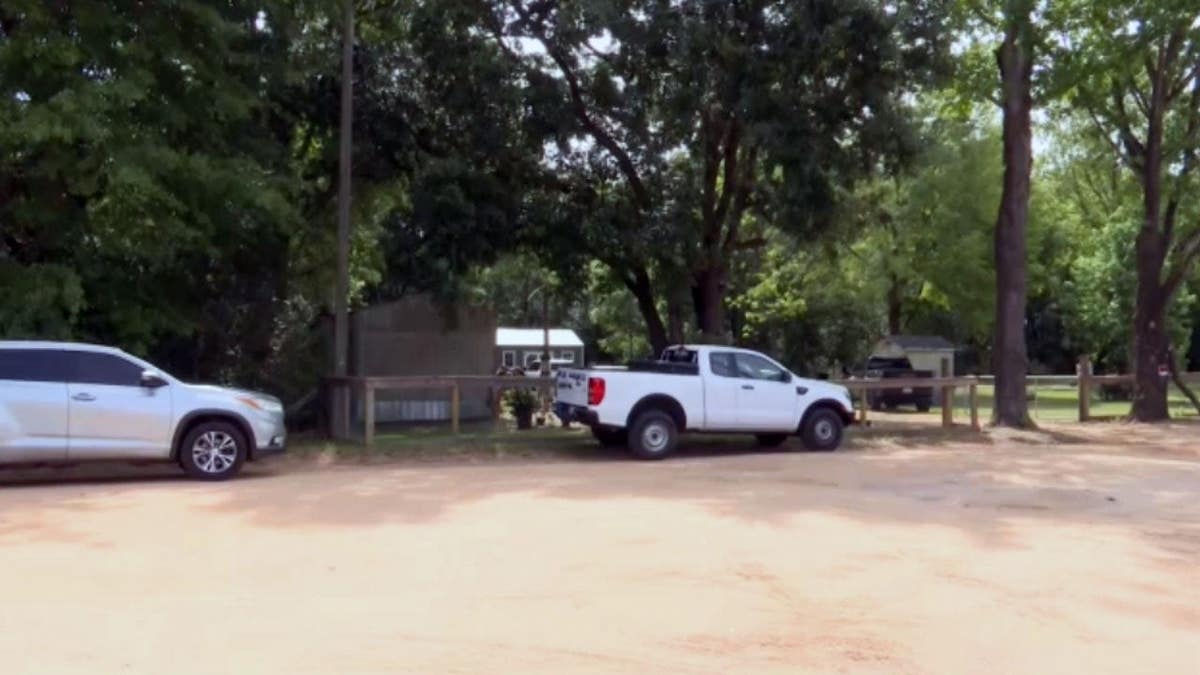
In the quiet community of Wilmer, Alabama, a mobile home on Auble Moody Road became the site of one of the most harrowing crimes in recent Mobile County history. On the morning of April 20, 2026, deputies responded to a welfare check and discovered a scene of unimaginable brutality: 46-year-old Lisa Gail Fields, her 17-year-old pregnant daughter Keziah Arionna Luker, and her 12-year-old son Thomas “TJ” Cordelle Jr. were found dead in separate rooms, their hands bound behind their backs with zip ties. An 18-month-old child, Keziah’s young daughter, was left unharmed amid the horror.
The killings were not random. Authorities quickly zeroed in on 54-year-old William Graham Oliver, a man who knew the family well—frequently visiting their home, even helping with small tasks like installing a gate. Oliver was arrested days later and charged with eight counts of capital murder. Prosecutors allege a burglary gone fatally wrong, with the home ransacked as if someone was desperately searching for something. Yet, as crime scene details emerge through investigative logs, family statements, and court proceedings, a clearer picture of motive surfaces—one tied to money, trust, and alleged deception. Central to this narrative, according to reports referencing the scene, were items left on a kitchen table or in plain view, including documents that prosecutors and family believe exposed Oliver’s lies and financial entanglements.
The Victims: A Family Torn Apart
Lisa Gail Fields was a mother trying to hold her family together in Wilmer, a small community west of Mobile. Described by loved ones as kind and generous, she opened her home to Oliver, treating him and even his ex-wife with compassion. Her husband, Nathan Fields (Lisa’s spouse and stepfather to the children), has spoken publicly about the devastation. Nathan was away or otherwise occupied when the crimes occurred, later expressing shock that someone so familiar could commit such violence.
Keziah Arionna Luker, 17, was eight months pregnant with a baby girl the family planned to name Oaklynn Jordan. She was shot, her hands zip-tied. Her young daughter survived, a heartbreaking reminder of what was lost. Thomas “TJ” Cordelle Jr., just 12, suffered one of the most savage injuries—his throat cut nearly to decapitation. Lisa herself was stabbed multiple times with her throat slashed. The differing methods of killing in separate rooms suggest a prolonged, personal attack rather than a quick robbery.
The discovery came after Keziah’s boyfriend, working offshore, noticed unusual activity on a location app and asked his father to check the home. That relative found the nightmare, rescued the toddler, and called 911. The porch light flipping on around 12:58 a.m. and other neighbor observations helped establish a tight timeline.
Family members, including Lisa’s sister Shannon Corry, described the household as one that welcomed Oliver. “He was at my sister’s house every single day,” Corry told reporters. “She was very good to that man and his ex-wife.” This closeness makes the betrayal all the more profound.
The Suspect: William Graham Oliver
Oliver, 54, presented outwardly as an unassuming acquaintance. Mugshots show a balding man with a white beard. He was pulled over while driving a neighbor’s tan Mercury, the vehicle authorities believe he used around the time of the murders. A search of his property yielded supporting evidence.
Sheriff Paul Burch emphasized that Oliver had been inside the home on April 19 around 7:30 p.m., looking for something. Investigators say they know what he sought and the motive but initially withheld full details. Oliver pleaded not guilty and was held without bond due to the crime’s brutality and his criminal history dating back to the 1990s. The Mobile County District Attorney’s office intends to seek the death penalty.
Nathan Fields stated bluntly that Oliver “owed her money” and destroyed their world. Family posts and interviews point to financial disputes as a flashpoint. Oliver allegedly frequented the home, benefiting from Lisa’s generosity, but tensions arose over repayment.
The Crime Scene: What Remained Intact and What It Revealed
Crime scene photos and investigator notes, as referenced in public reporting and social media evidence diaries, paint a picture of a home disrupted but with telling items undisturbed. Drawers were pulled out, the residence ransacked as if in a frantic search. Yet everyday items and personal documents remained in place, offering clues.

Reports highlight documents in the bedroom area, including court papers from the family’s past legal matters. One key element aligning with the article’s title involves items on or near a table—potentially a bill, receipt, notebook, or financial record. Family and investigators connected this to a debt Oliver allegedly owed Lisa. A Regions Bank receipt or similar financial paper, alongside references to larger sums (including echoes of a past $2 million valuation case in family records), reportedly helped piece together the motive. These papers allegedly contradicted any claims Oliver might have made about his financial dealings or intentions.
The presence of such documents in plain view suggests the attack was not purely opportunistic but rooted in a dispute that escalated. Zip ties brought to the scene indicate premeditation. No forced entry points to the killer being welcomed or familiar with the layout. The selective violence—different wounds per victim—implies rage or a need to silence specific individuals.
The 18-month-old’s survival amid the chaos adds another layer of tragedy and possible insight into Oliver’s mindset; reports note he was fond of the child.
Unpacking the Motive: Debt, Lies, and Betrayal
Prosecutors link four charges to burglary intent during the murders. DA Keith Blackwood noted theories around robbery as part of the motive, based on the ransacked scene. Yet family accounts center on a personal financial betrayal. Lisa’s sister and husband pointed to money Oliver owed, which he seemingly did not want to repay. A bill or receipt left on the table may have served as a tangible reminder or trigger—evidence of the debt that exposed any denials or lies Oliver told about his obligations.
This wasn’t a stranger crime. Oliver’s daily presence, knowledge of the dogs, the gate installation, and familiarity with family routines made him privy to vulnerabilities. Whether the search was for cash, documents, or valuables to settle a score remains under investigation, but the financial thread runs strong. Oliver’s alleged lies—perhaps downplaying the debt or his visits—crumbled against physical evidence and witness accounts.
Broader context includes Oliver’s criminal history and the family’s past legal documents, which investigators cataloged. These may have intersected with the dispute, adding layers of resentment or desperation.
Community Impact and the Road to Justice
Wilmer and Mobile County reeled from the news. Vigils, fundraisers, and funerals followed. The family laid loved ones to rest at Serenity Funeral Home. Nathan Fields expressed raw grief and anger, questioning rumors that initially swirled around him before the arrest.
The case highlights vulnerabilities in tight-knit communities where trust in acquaintances can turn deadly. It also underscores challenges in domestic-adjacent or acquaintance violence, where motives blend personal grudges with opportunistic crime.
As of early May 2026, Oliver remains in custody. Preliminary hearings and trials will unfold, with prosecutors building a case on circumstantial evidence, timeline, vehicle forensics, and scene analysis. The death penalty pursuit reflects the crime’s heinous nature—targeting a pregnant teen and child.
Broader Reflections on Violence and Trust
This tragedy forces examination of how financial stress, unresolved debts, and eroded trust can explode into violence. In rural and semi-rural areas like Wilmer, economic pressures compound with close social circles. Generosity, like Lisa’s, can be exploited.
Forensic details—zip ties, varied wounds, ransacking, and undisturbed documents—tell a story of calculation mixed with fury. The “bill on the table” symbolizes how mundane evidence can illuminate dark motives, exposing lies in the cold light of investigation.
The surviving toddler represents fragile hope amid loss. Community support for the family, including the unborn child’s memory, shows resilience.
Conclusion: Justice for the Fields Family
Lisa Gail Fields, Keziah Arionna Luker, Thomas Cordelle Jr., and little Oaklynn Jordan deserved safety in their own home. William Graham Oliver stands accused of shattering that sanctuary over what appears to be a toxic mix of debt, deception, and desperation. The items left on the table—intact amid chaos—may prove pivotal, turning personal papers into silent witnesses.
As the legal process advances, the focus remains on accountability. Nathan Fields, Shannon Corry, and the extended family seek answers and closure. The community mourns while demanding justice. This case reminds us that evil can wear a familiar face, and truth often emerges from the smallest, overlooked details—like a bill that refused to stay hidden.
News

HE CAN’T REMEMBER WHY THE ROPE WASN’T ATTACHED😳🌉 A worker involved in the fatal bungee jump tragedy has now admitted he cannot explain one of the most critical moments before the jump 👀 👇 CCTV reportedly shows the rope hanging loose for 7 seconds before everything changed
PLUNGE PROBE Bungee jump worker admits he ‘can’t remember’ why rope wasn’t attached to woman thrown to death as he’s quizzed by cops THREE bungee coaches who allegedly launched a woman 130ft to her death said they could not explain the…

“THAT ROPE TOOK HER AWAY.” 😳🌉 A grieving son has shared the heartbreaking words he wishes he could say to his mother after a bridge tragedy that shocked the community 👀 👇 Witnesses say the rope was still swaying above the river when emergency crews arrived
MUM’S ANGUISH ‘That damned rope took you away forever,’ distraught mum of bungee jumper, 21, blasts after she was thrown from bridge THE distraught mum of a bungee jumper who was thrown to her death has raged at the “damned…

DISGUSTED 😳💔 As rumors swirl around Jelly Roll and Bunnie XO, daughter Bailee Ann has finally broken her silence 👀 👇 But it’s those three words she shared that have everyone talking tonight
Jelly Roll’s daughter Bailee Ann, 18, breaks silence on his divorce from Bunnie Xo: ‘I am disgusted’ Jelly Roll’s daughter has a strong opinion about all the attention her dad’s shocking divorce from longtime wife Bunnie Xo is getting. “Oh & one…

THE CRASH HAPPENED IN SECONDS ✈️😳 The first victim of the B-52 crash at Edwards Air Force Base has now been identified, as new details emerge about the military aircraft disaster 👀 👇 Investigators are focusing on a piece of wreckage found nearly 300 feet from the main impact site
First victim of B-52 Stratofortress crash identified — as friend reveals how family is coping The first victim of the catastrophic crash of a B-52 Stratofortress at Edwards Air Force Base has been identified as Lt. Col. Miles Middleton, a decorated test pilot. “Pam Middleton and…

THE CCTV SHOWS HER WALKING TOWARD THE WOODS 😳🌲 South Carolina personal trainer Elena Moore vanished after being caught on surveillance video heading toward a wooded area 👀 👇 Investigators are now focused on her final 39 minutes — and one item found near the tree line
South Carolina personal trainer goes missing as police calls her disappearance ‘out of character’ A personal trainer in South Carolina has vanished without a trace after leaving the gym and was caught on surveillance video walking toward a wooded area….

“WE THOUGHT THEY WERE JUST SLEEPING.” 😳🌊 A witness has revealed the heartbreaking moment two friends were discovered on a Santa Cruz beach after spending the night near Highway 1 👀 👇 But it’s the detail about a blanket and two untouched backpacks still sitting in the sand that is haunting everyone who was there
High-flying friends killed after being swept out to sea while napping on notorious California beach Two friends have been killed after being swept into the ocean in Santa Cruz County as dangerous waves battered the California coastline. Harshita Nair, 21, and Mahial Sran,…
End of content
No more pages to load