This doesn’t seem like a random act: A close friend of Nahida Bristy said she had recently seemed unwell — and detectives are now reviewing the final route she took… ending just 0.5 miles from where a crucial piece of evidence was later found
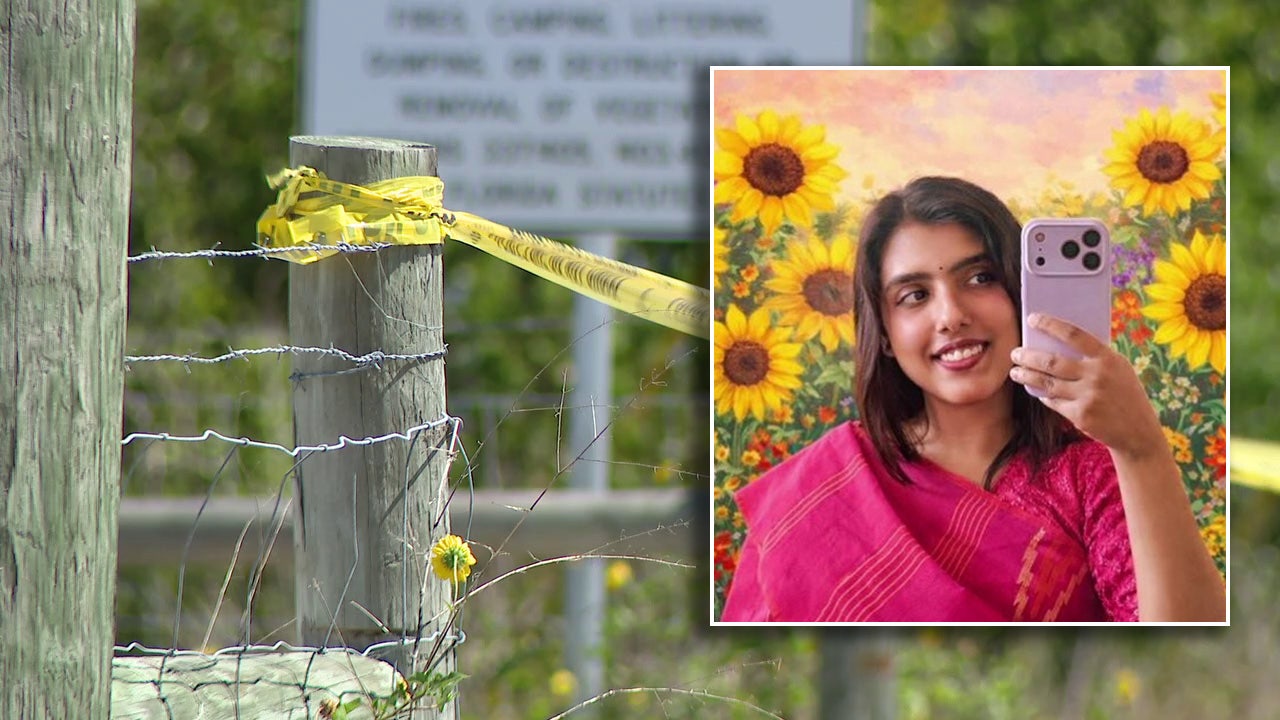
This Doesn’t Seem Like a Random Act: The Tragic Murders of USF Doctoral Students Nahida Bristy and Zamil Limon
The disappearance and subsequent discovery of the remains of two promising University of South Florida doctoral students from Bangladesh sent shockwaves through the Tampa Bay academic community and beyond in April 2026. Nahida Bristy, 27, a chemical engineering PhD candidate, and her friend Zamil Limon, also 27, studying geography, environmental science, and policy, were last seen on April 16. Their deaths, allegedly at the hands of Limon’s roommate Hisham Saleh Abugharbieh, have been described by authorities as gruesome and premeditated. As investigators pieced together the timeline, chilling details emerged about final communications, routes traveled, and evidence that suggested this was far from a random tragedy.
A close friend of Nahida Bristy later revealed that she had seemed unwell or off in recent interactions. Detectives are now reviewing the final route she took, which ended just 0.5 miles from where a crucial piece of evidence was later found. This proximity has fueled speculation that the movements of those involved were deliberately connected in ways that point to planning rather than coincidence. While official reports provide a framework, many aspects of the victims’ final hours and the suspect’s motivations remain under scrutiny, leading to hypotheses about underlying tensions in their shared social and living circles.
Nahida Sultana Bristy arrived in the United States with dreams of contributing meaningfully to science and eventually returning to Bangladesh to uplift her community. Born and raised there, she earned a bachelor’s degree in applied chemistry and chemical engineering from Noakhali Science and Technology University and a master’s in engineering from the Bangladesh University of Engineering and Technology. At USF, she immersed herself in doctoral research, known among peers and professors for her quiet enthusiasm, soft-spoken demeanor, and dedication. Friends described her as someone who balanced rigorous academics with a gentle presence, often participating in cultural events within the Bangladeshi student community and the university’s Muslim Student Association.
Zamil Limon shared a similar background and trajectory. Also 27 and from Bangladesh, he was pursuing advanced studies in environmental policy. The two were close friends, sometimes seen together in social settings, including a video from late 2025 where Bristy played guitar and sang while Limon was nearby, capturing a moment of camaraderie and normal student life. Their families later emphasized how they had come to America seeking better opportunities, only for their lives to be cut short in what authorities called a monstrous crime.
The story begins unfolding on April 16, 2026. Limon was last seen alive around 9 a.m. at the Avalon Heights apartment complex off campus, which he shared with Abugharbieh and another roommate. Bristy was captured on USF surveillance video around noon at a campus science building. Both were last heard from via phone that day. What happened in the intervening hours has become the focal point of the investigation. Court documents and sheriff’s office statements indicate that Abugharbieh allegedly gave the pair a ride from Tampa to Clearwater. Later that night, he was observed moving large boxes from the apartment using a shared cart.
By April 17, concerns mounted. A friend of Bristy reported her missing to USF police. The following day, a friend of Limon did the same with the Hillsborough County Sheriff’s Office. As days passed without contact, more friends provided information. By April 21, alerts went out to the media. USF police discovered Limon’s passport, wallet, and items in the trash, including duct tape that appeared bloodied. The investigation escalated, with the sheriff’s office taking over. Surveillance on Abugharbieh began, and the students’ status was upgraded to missing and endangered.
On April 23, a search of the apartment complex trash compactor yielded disturbing finds: Limon’s student ID, glasses, a bloodied and torn shirt consistent with stabbing, phone cases belonging to both victims, and a floor mat. That same day, detectives interviewed Abugharbieh. The next morning, April 24, Limon’s remains were discovered on the northbound side of the Howard Frankland Bridge. Abugharbieh was arrested later that day following a domestic violence incident involving a family member, after a standoff.
The remains of Zamil Limon were found in a trash bag on the shoulder of the bridge. He had suffered multiple stab wounds, including a deep one to the lower back that penetrated his liver. He had been bound at the hands and ankles, with his legs nearly severed to allow his body to be compacted into the bag. Sheriff Chad Chronister later described the scene poignantly: the victim was left “like a piece of trash” on the highway.
Two days later, on April 26, a kayaker’s fishing line snagged on a black trash bag in the mangroves near I-275 and 4th Street North, just south of the bridge. Inside were human remains in an advanced state of decomposition, also showing multiple stab wounds and tied with a similar knot. Clothing matched what Bristy was last seen wearing on surveillance video. DNA, dental records, and clothing confirmed the identity as Nahida Bristy by early May.
Hisham Saleh Abugharbieh, 26, a former USF student and Limon’s roommate, faces two counts of first-degree premeditated murder with a weapon, along with charges including unlawfully moving a dead body, tampering with evidence, and more. Prosecutors noted blood evidence in the apartment, including splatters and a pool shaped like a body in a fetal position near the suspect’s bed. Items linked to the victims were found in the trash compactor. Abugharbieh allegedly purchased trash bags, Lysol wipes, and Febreze that night, and disposed of Bristy’s pink phone case.
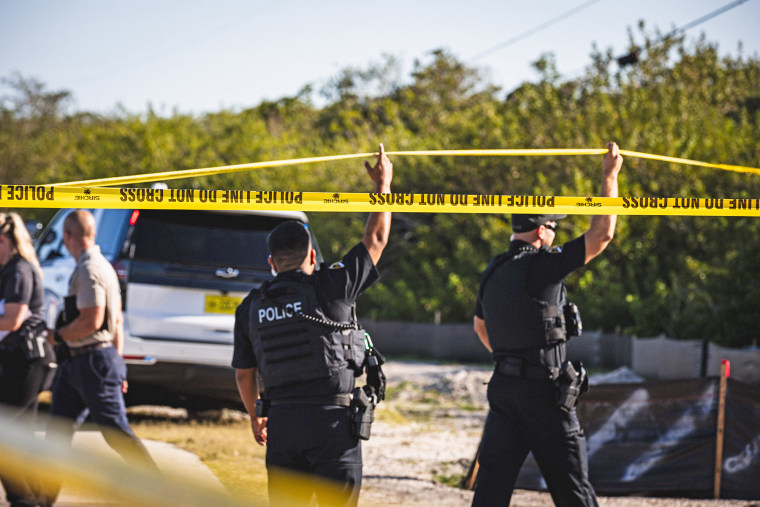
Cellphone data and GPS from the suspect’s car, corroborated by surveillance, placed him driving across the Tampa Bay bridge area. This led search teams directly along his route. The discovery sites for the remains align closely with this path, raising questions about deliberate disposal choices. Detectives reviewing Bristy’s final route noted it ending approximately 0.5 miles from key evidence, suggesting her movements that day may have intersected fatally with the suspect’s plans. This doesn’t seem like a random act; the geographic clustering implies intent and familiarity with the area.
A particularly eerie element involves communications from Bristy. A close friend reported receiving a text message that “didn’t sound like her” hours before she vanished. Detectives confirmed it was sent just 12 minutes after Zamil Limon was last seen alive. The message reportedly ended in a short line that later drew attention toward Abugharbieh. Friends noted Bristy had seemed unwell or distressed recently, prompting hypotheses about whether she sensed danger or was coerced. In the absence of full public disclosure of the text content, one theory posits it may have been sent under duress or as a subtle cry for help, possibly referencing the suspect or their shared circle. This aligns with reports that Limon had previously raised concerns about Abugharbieh’s behavior, with some accounts describing it as erratic or psychopathic.
Abugharbieh’s digital footprint added layers of premeditation. Court documents reveal he allegedly queried ChatGPT days before the disappearances with questions like “Can a knife penetrate a skull?” and inquiries about disposing of bodies in trash bags or dumpsters. When the AI responded that it sounded dangerous, he reportedly asked how authorities would find out. Other searches involved changing a car’s VIN number and gun laws. Phone content was partially erased, but forensic recovery exposed these searches.
The motive remains unclear, as stated repeatedly by Sheriff Chronister. Hypotheses abound in the vacuum of official confirmation. Given that Limon and Abugharbieh were roommates for only about two months, and Bristy was a friend who may have visited or interacted with them, personal conflicts could have escalated. Some reports mention Limon complaining about his roommate. Abugharbieh had been estranged from his own family since 2023, and his brother had previously warned police about erratic behavior. One theory suggests a dispute over living arrangements, shared resources, or interpersonal dynamics involving Bristy, possibly romantic or social jealousy, though no concrete evidence has confirmed this. Another possibility is a sudden mental health crisis combined with opportunity, though the preparatory searches point to planning. Without a clear statement from the suspect, these remain informed speculations grounded in the timeline and evidence.
The impact on the University of South Florida has been profound. President Moez Limayem and faculty mourned the loss of two exemplary students who contributed to campus life. Vigils were held, with professors recalling Bristy’s enthusiasm and Limon’s dedication. The Bangladeshi community in Tampa and back home grieved deeply. Bristy’s brother Zahid Pranto spoke of the family’s devastation: “Everything just collapsed.” Her dream was to return home and make a difference; instead, her family now navigates bureaucracy to repatriate her remains for burial according to Islamic traditions. Limon’s family expressed similar heartbreak.
Broader questions arise about safety for international students, roommate vetting in off-campus housing, and mental health support on campuses. USF has worked closely with law enforcement, but the case highlights vulnerabilities. International students often live in tight-knit groups for cultural and financial reasons, which can foster support but also concentrate risks if conflicts arise.
Forensic details paint a harrowing picture. Both victims suffered multiple stab wounds. Limon’s body was mutilated to fit the disposal bag. Bristy’s remains, found in mangroves, showed similar violence and decomposition accelerated by the Florida environment. The use of identical trash bags and knots suggests a methodical approach by the perpetrator. Blood evidence in the apartment indicated the attacks likely occurred there, with cleanup attempts following.
As the legal process moves forward, Abugharbieh is held without bond. A grand jury hearing is anticipated, with prosecutors considering the death penalty. The state attorney’s office has emphasized the brutal nature of the crimes. Defense details have not been widely publicized, but the case will likely hinge on digital forensics, physical evidence, and witness statements about the victims’ final interactions.
:max_bytes(150000):strip_icc():focal(750x388:752x390)/Nahida-S.-Bristy-Zamil-Limon-42726-2143fb62f52644288410febd1f421700.jpg)
In reflecting on this tragedy, one cannot ignore the human cost. Two young scholars, full of potential, had their futures stolen. Families across the world are left with unanswered questions and irreversible loss. The friend’s account of Bristy seeming unwell and the scrutinized final route underscore how seemingly small signs—distress in a text, unusual movements—can connect to larger horrors. This doesn’t seem like a random act because the evidence converges on planning, proximity, and personal connections. Yet, the full “why” lingers, driving ongoing investigation and community soul-searching.
The Tampa Bay area, known for its universities and vibrant immigrant communities, now carries the scar of this violence. Memorials, GoFundMe efforts for the families, and calls for justice continue. Bristy and Limon represented the best of academic aspiration—the pursuit of knowledge across borders. Their story serves as a somber reminder of the fragility of safety and the importance of vigilance in everyday environments like shared apartments and campus pathways.
Investigators continue reviewing footage, digital records, and potential additional witnesses. The 0.5-mile gap between Bristy’s last known route and evidence recovery sites may yield more insights as timelines are reconstructed minute by minute. Hypotheses about coercion in that final text, or prior unreported tensions, may be tested in court. For now, the public is left with a narrative of profound loss and a call to remember Nahida Bristy and Zamil Limon not just as victims, but as bright individuals whose lives mattered deeply.