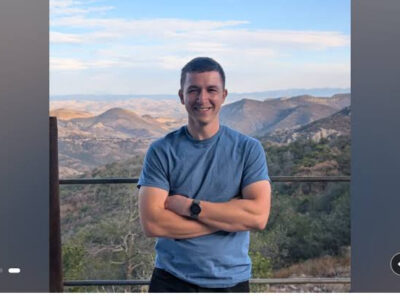
THIS WAS NOT JUST BAD LUCK : Bear experts say Anthony Edward Pollio may have inadvertently made himself a target during a sunset walk… and a witness says it’s not that simple, as his shirt was completely undamaged 😳
The tragic death of 33-year-old Anthony Edward Pollio in Glacier National Park on or around May 3, 2026, continues to fuel online speculation. Recent viral claims assert this was “not just bad luck,” suggesting bear experts believe Pollio inadvertently “made himself a target” during a sunset hike, with one purported witness noting his shirt was “completely undamaged.” These details, while dramatic, lack corroboration in official National Park Service (NPS) reports, family statements, or mainstream investigations as of May 12, 2026.
This article separates verified facts from unconfirmed speculation, drawing on NPS updates and expert consensus on grizzly behavior in bear country.

Established Facts of the Incident
Pollio, an experienced outdoorsman, hunter, Catholic deacon, and adventurer from Davie, Florida, was on a solo hike up the Mount Brown Trail toward the historic fire lookout. He aimed to catch sunset views over Lake McDonald Valley. The trail is strenuous, with roughly 5 miles one way and substantial elevation gain through forested terrain.
He left a final voicemail for his father, Arthur: “Dad, I’m hiking up a mountain. It’s wild out here. I love you, dad.” Search efforts began after he failed to return. On May 6, rescue teams found personal items along the trail approximately 2.5 miles from the trailhead. Pollio’s body was located about 50 feet off the path in a densely wooded area with downed timber. His injuries were consistent with a bear encounter—the first fatal one in Glacier since 1998.
NPS officials describe it as a “surprise encounter.” Evidence suggests the interaction occurred suddenly, with limited time for avoidance. Family members believe it happened on the descent, possibly after he deployed bear spray (residue reportedly noted at the scene). The trail and nearby areas were temporarily closed for investigation and monitoring.
Addressing the Sensational Claims
Sunset Timing and “Making Himself a Target” Family accounts indicate Pollio planned a daytime hike with the option to view sunset from the lookout. Bears in Glacier are most active at dawn and dusk, but surprise encounters can happen anytime in dense cover. No released expert analysis states Pollio “made himself a target” through timing or behavior. Hiking during lower-light periods can reduce visibility for both human and bear, increasing surprise risk, but this is a known general hazard—not a unique mistake here.
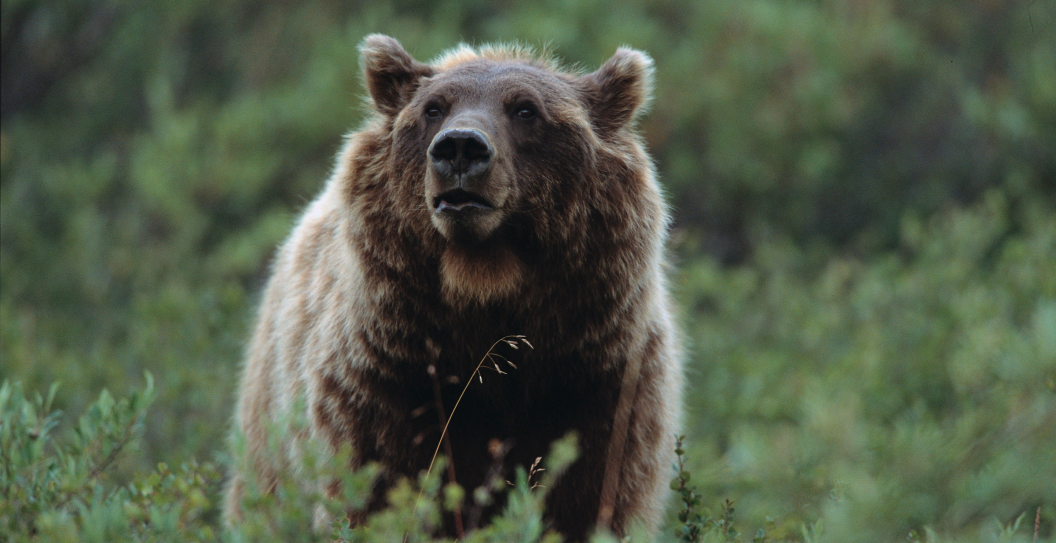
Experts emphasize that grizzlies rarely seek humans as prey. Most defensive attacks stem from close-range surprises, especially involving females with cubs or bears near food sources. Pollio was equipped and experienced; nothing publicly indicates reckless actions like approaching a carcass, improper food storage, or deliberate provocation.
:max_bytes(150000):strip_icc():focal(665x0:667x2)/anthony-pollio-050926-3-3b56534af9a14440a667ce4bec5d0eb8.jpg)
The “Undamaged Shirt” and Witness Claims No official reports, NPS statements, or credible news coverage mention a witness commenting on Pollio’s clothing condition or an undamaged shirt. Searches of available sources yield no such detail. Clothing damage varies in bear encounters depending on the attack’s dynamics, bear species, duration, and defensive actions (e.g., bear spray use). Bears often target the head, neck, and back in defensive maulings, but outcomes differ widely. Absent autopsy or scene details (still under investigation), speculation about clothing serves little evidentiary purpose and appears to stem from unverified social media.
Such claims risk oversimplifying a complex wilderness event into a narrative of individual fault.
Why Surprise Encounters Happen
Glacier National Park hosts hundreds of grizzlies within a larger recovering population. These powerful animals possess superior senses of smell and hearing. Humans on trails produce noise, scent, and movement that bears usually detect and avoid. However:
Dense Terrain: The Mount Brown Trail features sections with limited sightlines, heavy vegetation, and downed trees—ideal for sudden close encounters.
Solo Hiking: No companion for extra vigilance or shared noise-making.
Wind and Conditions: Wind can carry human scent away from a bear’s path.
Seasonal Factors: Early May follows hibernation; bears forage actively.
In a surprise encounter, a bear may charge defensively if it feels threatened at close range (often under 50 yards). Pollio’s experience as a hunter likely meant he understood these risks and carried bear spray, which family believes he used.
Bear experts note that while preparation dramatically reduces risk, no strategy eliminates it entirely in true wilderness. Fatalities remain exceptionally rare despite millions of visitor days annually.
Broader Context: Not Random, But Not Predictably Preventable
Attacks are not purely “random,” but they often result from overlapping probabilities rather than singular human errors. Common contributing elements in defensive incidents include:
Reduced visibility or auditory awareness.
Solitary travel.
Proximity to natural bear corridors or foraging areas.
Momentary lapses in attention (e.g., fatigue on descent).
Investigators have not publicly identified a specific “inadvertent” action by Pollio that turned him into a target. Assigning blame without full evidence can distract from systemic lessons: respect for wild spaces, group travel where feasible, and consistent bear-aware practices.
Bear Safety Principles That Could Have Applied
Even experienced hikers benefit from reminders:
Travel in Groups — Conversations create consistent noise.
Bear Spray — Carried on the belt, not in a pack; practiced deployment.
Awareness — Scan ahead, especially around blind corners or in thick timber.
Timing — Avoid dawn/dusk if possible in high-activity areas, though many hikes overlap these hours.
Noise — In low-visibility zones, make deliberate sounds.
Plan Sharing — Detailed itineraries and check-ins.
Pollio reportedly followed many best practices. His story illustrates that wilderness risk cannot be engineered to zero.
Remembering Anthony Pollio
Friends and family portray Pollio as fearless yet intelligent—a motor enthusiast, hunter, deacon, and passionate explorer who lived fully. In 33 years, he accumulated adventures many pursue over decades. His final voicemail captures joy in nature’s grandeur rather than foreboding.
Tragedies like this prompt reflection without diminishing the value of venturing outdoors. Glacier remains a place of profound beauty where humans are temporary guests in a landscape dominated by powerful wildlife.
As the investigation proceeds, authorities will assess bear activity and may adjust management. For visitors, the takeaway is heightened vigilance paired with continued appreciation: carry spray, hike smart, accept uncertainty, and honor those who embraced the wild with respect.
Anthony Edward Pollio sought connection with the mountains and left a legacy urging others to approach nature with preparation, humility, and wonder. In bear country, that mindset remains the best defense—even when it cannot guarantee safety.