FIVE EXPERIENCED DIVERS — AND NOT ONE MADE IT OUT 😳 Authorities say the group included highly trained divers, which is exactly why this Maldives tragedy is causing so much controversy online. Some now believe the cave route should never have been opened during 30mph winds… especially after what rescuers reportedly found near the entrance 👇
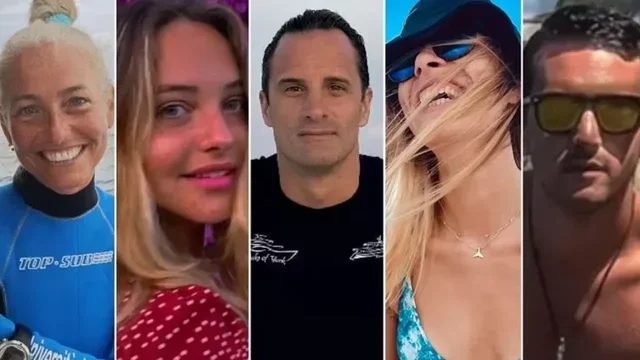
In the deep blue channels of Vaavu Atoll, five highly trained Italian divers — including a university professor, her young daughter, researchers, and a professional instructor — descended into an underwater cave system at around 50-60 meters (164-197 feet). They were equipped, certified, and excited. None returned. The incident has ignited intense online controversy and official scrutiny, with critics questioning why the dive proceeded amid reported 30 mph winds and rough seas.
What rescuers encountered near the cave entrance has only deepened the mystery and debate surrounding one of the Maldives’ worst diving disasters.
A Group of Experts, Not Novices
This was no group of casual tourists. The victims brought significant expertise:
Monica Montefalcone, associate professor of marine ecology at the University of Genoa, a recognized researcher and television personality specializing in marine ecosystems.
Giorgia Sommacal, her 20-year-old daughter and student.
Muriel Oddenino, a research fellow with ties to the University of Genoa.
Gianluca Benedetti, a diving instructor from Padua.
Federico Gualtieri from Borgomanero.
Their backgrounds — academic marine biology combined with professional diving instruction — made the total loss especially shocking. Online diving communities note that such a team should have had the knowledge and judgment to abort if conditions were marginal. Yet all five perished in a confined overhead environment, raising painful questions about risk assessment, environmental factors, and operational decisions.
The Dive Site and Conditions
Vaavu Atoll, roughly 100 km south of Malé, is a premier destination known for its channels, drop-offs, and cave-like overhangs near Alimatha island. The group was aboard the Duke of York, a luxury liveaboard diving yacht, on May 14, 2026. They entered the water in the morning for what was planned as an exploratory cave dive.
Surface conditions deteriorated. Reports confirm strong winds reaching up to 30 mph, with a yellow warning issued for passenger boats and fishermen. Rough seas complicated both the dive and subsequent rescue. Police noted the challenging weather in the area.
Critics online and in diving forums argue the cave route should never have been attempted or opened under such conditions. Strong winds can generate significant surge and currents in atoll channels, reducing visibility, increasing effort, and complicating navigation — especially dangerous near cave entrances where silt, debris, or unexpected flow can trap divers.
What Rescuers Reportedly Found Near the Entrance
Maldives National Defence Force (MNDF) specialist teams conducted a high-risk recovery operation. One body was located inside a cave around 6:13 p.m. The others remain deeper in the system, which extends to approximately 60 meters. Recovery has been hampered by depth, confinement, and ongoing conditions.
While full details are pending the official investigation, early accounts circulating in reports and forums mention equipment, lines, or indicators of sudden distress near the cave entrance. Some suggest signs of a rapid attempt to exit or entanglement issues exacerbated by currents. These findings are fueling speculation that environmental forces — amplified by the weather — played a decisive role, possibly pinning divers inside or causing disorientation right at the threshold of safety.
The presence of experienced divers makes the failure to escape even more puzzling and controversial. In cave diving, the “rule of thirds” for gas management and strict turn points are fundamental. If surge or current intensified near the entrance, even skilled teams can face overwhelming challenges.
Multiple Factors Under Investigation
Maldivian authorities, with Italian cooperation, are examining:
Weather and Decision-Making: Why proceed with a yellow warning and strong winds? Did the boat crew or dive leaders assess risks conservatively?
Dive Planning: Was this a properly staged technical/cave dive with appropriate gas mixes, redundancies, and support?
Equipment: Tanks reportedly still contained gas (ruling out simple out-of-air), pointing toward oxygen toxicity, narcosis, or sudden incapacitation. The Duke of York offers nitrox, which requires precise analysis at these depths.
Currents and Topography: Atoll channels are dynamic. Winds can create powerful flows that push divers deeper or stir silt, turning a manageable cave into a trap.
Training and Oversight: Even experienced divers must adhere to limits. Cave certification emphasizes that overhead environments leave no room for error.
Diving medicine experts highlight oxygen toxicity (CNS toxicity) as a plausible factor at 50-60m, especially with enriched mixes. Symptoms like seizures can strike without warning, incapacitating a diver in seconds — catastrophic in a cave. Nitrogen narcosis could impair judgment further.
Online Controversy and the “Why Didn’t They Abort?” Debate
Social media and scuba forums have erupted. Experienced divers argue:
30 mph winds are a clear red flag for channel or cave dives due to surge and current risks.
Reputable operators often cancel or modify dives in such conditions.
The group’s expertise makes proceeding more questionable, not less — they should have recognized the hazards.
Others defend the inherent risks of technical diving, noting that even perfect planning cannot eliminate all variables in the ocean. The tragedy has spotlighted “extreme tourism” pressures, where luxury liveaboards cater to advanced clients seeking adventure in paradise.
The Human Cost
For the University of Genoa, the loss is profound: a professor, her daughter, and researchers gone in one incident. Colleagues remember Monica Montefalcone’s passion for marine conservation. The family dimension — a mother sharing her life’s work with her daughter — adds layers of heartbreak.
Gianluca Benedetti’s presence as an instructor raises questions about leadership and group dynamics underwater. In caves, clear communication and conservative decision-making are vital.
Lessons from a Preventable Tragedy?
This incident underscores core principles of technical diving:
Environmental Awareness: Winds, currents, and visibility must dictate go/no-go decisions.
Gas and Depth Management: At these depths, every mix must be analyzed; redundancy is mandatory.
Cave-Specific Protocols: Lines, lights, team positioning, and silt management save lives.
Operator Responsibility: Liveaboards must enforce safety over guest desires when conditions deteriorate.
Personal Accountability: Even experts must say “no” when limits are approached.
The Maldives, with its millions of safe tourist dives yearly, prides itself on a strong record. This event may prompt reviews of technical diving regulations, weather protocols, and oversight for foreign-operated vessels.
Ongoing Recovery and Investigation
As of May 15, 2026, efforts continue to recover the remaining bodies under difficult conditions. Italian authorities are supporting families and participating in the probe. Autopsies, equipment forensics, gas analysis, and weather logs will provide clearer answers.
For now, the image of five experienced divers failing to exit a cave — with signs of struggle possibly near the entrance — haunts the global diving community. It serves as a stark reminder that the sea respects no credentials. Preparation, humility, and respect for conditions are the only shields against its power.
The azure allure of Vaavu Atoll remains, but this tragedy demands reflection: when does adventure cross into unnecessary risk? Especially when winds howl at 30 mph and a cave entrance beckons with unforgiving currents.
Answers may bring closure to grieving families and prevent similar losses. Until then, the diving world mourns five passionate explorers who, despite their expertise, did not make it out.