DID THEY GO NEARLY 60 FEET DEEPER THAN THE LIMIT? 🚨🌊 The deaths of five Italian tourists in a Maldives cave dive are causing a major controversy after a former diver claimed the group went nearly 164 feet underwater — significantly deeper than the usual recommendation. But the detail drawing attention lies in the decision made before they went underwater… 👀
The deaths of five Italian tourists in a Maldives cave dive are causing a major controversy after a former diver claimed the group went nearly 164 feet (50 meters) underwater — significantly deeper than the usual recommendation for the site and conditions. But the detail drawing the most attention now lies in the critical decision made on the deck of the Duke of York before they even entered the water.
This latest revelation has intensified scrutiny over whether ambition, pressure to deliver an “exclusive” experience, or flawed risk assessment pushed an already experienced team beyond safe boundaries in the confined cave system of Vaavu Atoll on May 14, 2026.
The Victims and the Luxury Excursion
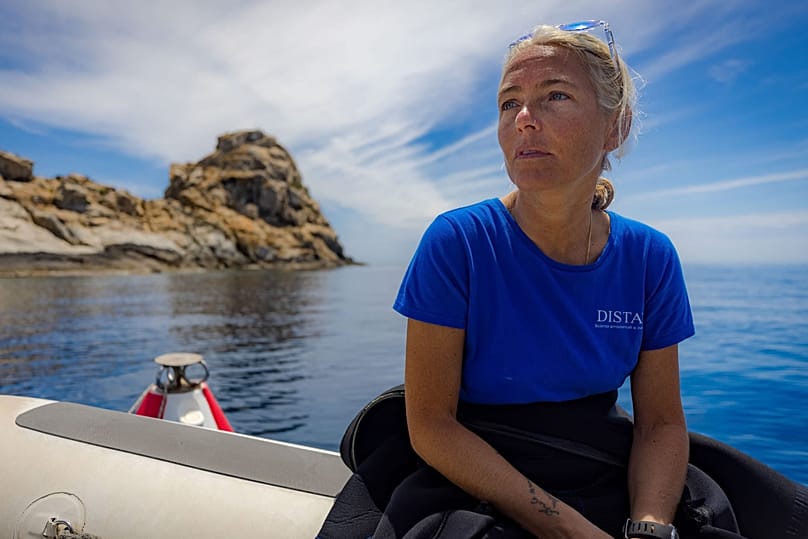
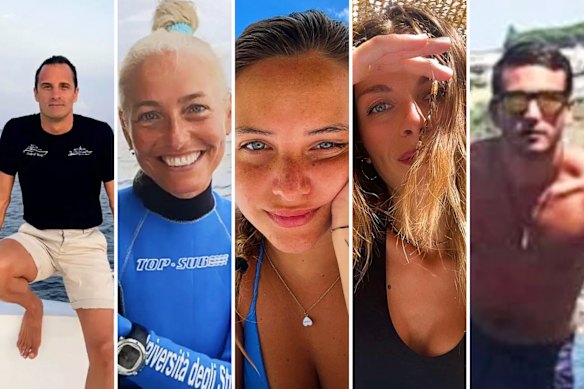
The five who never resurfaced were:
Monica Montefalcone, associate professor of marine ecology at the University of Genoa, a respected researcher and television personality.
Giorgia Sommacal, her 20-year-old daughter.
Muriel Oddenino, a researcher connected to the same academic circle.
Gianluca Benedetti, a professional diving instructor from Padua with operational ties to the yacht.
Federico Gualtieri, another member of the marine science group.
They had paid around £1,700 each for a premium liveaboard diving safari aboard the Duke of York, expecting world-class sites in the Maldives. The planned dive targeted cave-like overhangs and passages near Alimatha island in Vaavu Atoll, roughly 100 km south of Malé. What should have been the trip’s highlight turned into one of the deadliest diving incidents in Maldivian history.
Depth Controversy: Did They Exceed Safe Limits?
Standard recreational diving limits are typically capped at 30–40 meters (98–131 feet) for safety reasons. Technical diving allows deeper profiles, but only with specialized training, gas mixes, decompression planning, and redundancies. According to a former technical diver familiar with Vaavu sites who has spoken to Italian media, the group’s logged data and equipment suggest they reached or exceeded 50 meters (164 feet) — nearly 60 feet deeper than commonly recommended for this particular cave route under the prevailing conditions.
This depth places the dive firmly in technical territory, where oxygen toxicity risks rise sharply, nitrogen narcosis can impair judgment, and decompression obligations become complex. In an overhead cave environment, where direct ascent is impossible, every additional meter of depth dramatically reduces safety margins.
The former diver highlighted that many operators in the Maldives discourage or outright prohibit recreational-level clients from exceeding 40 meters in confined spaces, especially with surface winds generating surge. The question now dominating discussions is simple: why did the group go so deep?
The Decision Before Descent
Witness accounts and the testimony of the sole survivor — a sixth University of Genoa affiliate who stayed aboard due to last-minute hesitation — point to a pivotal pre-dive discussion on the Duke of York’s deck. According to emerging reports, there was debate about the maximum planned depth and whether to follow a more conservative profile given the strong winds (up to 30 mph) and yellow maritime warning in effect.
Gianluca Benedetti, the professional instructor in the group, reportedly advocated for proceeding with the deeper exploration, citing the team’s collective experience and the scientific interest in deeper coral formations. Monica Montefalcone, passionate about marine research, is said to have supported pushing the limits for better documentation. The final decision was made to extend the profile deeper than initially briefed — a choice now under heavy criticism as potentially reckless.
The sole survivor has previously stated, “It’s not necessarily an accident,” and has described sensing tension during the briefing. She reportedly observed last-minute adjustments to gas mixes and equipment that, in hindsight, raise concerns about whether the team was fully prepared for the chosen depth.
The Fatal Sequence: Multiple Red Flags
Navigation records later revealed a sudden 92-foot (28-meter) route deviation moments before contact was lost, suggesting the group was pushed or swam into a more restricted section of the cave system. Monica Montefalcone’s chest-mounted GoPro captured the group navigating with reasonable visibility before recording a shadow-like movement in the background. The camera then stopped with just eight seconds of footage remaining, coinciding with the time around 1:41 p.m.
Forensic examination showed that the primary air cylinders were not empty when the bodies were examined. This rules out classic out-of-air emergencies and supports theories of rapid incapacitation — most likely oxygen toxicity from a nitrox blend not optimally suited for the actual depth reached, or a combination of narcosis, current surge, and disorientation.
An 11-second gap in the yacht’s CCTV footage just before the emergency call further complicates the timeline, while unusual pressure gauge readings continue to be analyzed.
Why Depth Matters So Much in Caves
At 50 meters and beyond:
Partial pressure of oxygen increases significantly, raising the risk of central nervous system (CNS) toxicity and sudden seizures.
Nitrogen narcosis can cause euphoria or impaired decision-making.
Bottom time is strictly limited, and any delay in turning back can make safe decompression impossible.
In caves, stronger currents at depth and potential silt-outs leave almost no room for error.
Even for experienced divers, exceeding planned limits in overhead environments is considered one of the leading contributors to accidents. The Maldives’ tourism authorities generally promote shallower, safer sites for most visitors, with technical deep dives requiring explicit approvals and specialized operators.
Investigation Under Pressure

Maldivian police, in close cooperation with Italian authorities, are now examining the pre-dive decision-making process as a central element. Key areas include:
Original dive plan versus actual executed profile.
Gas analysis records and whether mixes were appropriate for the achieved depth.
Briefing notes and any pressure (commercial or personal) to deliver a more “epic” dive.
Equipment suitability and maintenance logs from the Duke of York.
Full reconstruction using dive computer data, GoPro footage enhancement, and survivor testimony.
The joint team is also reviewing whether the operator adequately assessed weather impacts on deeper cave sections, where surge can be amplified.
Human and Scientific Loss
Monica Montefalcone dedicated her career to understanding and protecting marine ecosystems. Bringing her daughter Giorgia on this trip was meant to be a profound bonding experience and educational opportunity. The University of Genoa has described the loss as devastating — a professor, her daughter, and promising young researchers gone in one incident. Monica’s husband Carlo has repeatedly called for complete transparency, emphasizing that his wife’s high level of expertise should have prevented such an outcome unless critical factors were overlooked.
Lessons That Must Be Learned
This tragedy highlights several enduring truths in technical diving:
Depth is not a goal in itself; it must be justified and planned with conservative margins.
Pre-dive decisions under peer or client pressure can override safety instincts.
Weather warnings should trigger automatic depth reductions or cancellations for overhead dives.
Gas management becomes exponentially more critical the deeper a team goes.
Even highly qualified groups benefit from independent oversight on liveaboards.
The global diving community has reacted strongly, with many instructors using the case to reinforce that “the ocean does not care about your experience level” when limits are breached.
Searching for Truth in the Depths
As recovery operations for the remaining victims continue when conditions allow, the focus on that pre-dive decision and the actual depth reached may finally explain the chain of events. The 92-foot route deviation, the shadow on the GoPro, the remaining gas in the tanks, and the survivor’s doubts all point toward a scenario where a seemingly small decision — to go deeper — interacted catastrophically with environmental conditions and the unforgiving nature of cave diving.
The azure waters of Vaavu Atoll continue to attract divers from around the world, promising beauty and adventure. Yet this luxury excursion that ended in tragedy serves as a sobering reminder: the line between exploration and unnecessary risk can be crossed in a single conversation on a sunny deck before anyone even enters the water.
For the families in Italy, the sole survivor carrying her grief and questions, and the broader diving world, understanding exactly how deep they went — and why the decision was made to push those limits — is now essential. Only full transparency can honor the five lives lost and help ensure that future divers in paradise never face the same fate.
The investigation continues with renewed intensity. Every new detail, from navigation logs to briefing recollections, brings the truth closer to the surface.