PEOPLE AREN’T ARGUING ABOUT THE CRASH ANYMORE 😳 Nearly 4 years after the 100-mph collision that killed Dominic Russo and Davion Flanagan, attention suddenly shifted to a single family interview clip and the folded tissue sitting beside Mackenzie Shirilla’s mother
In the spring of 2026, a Netflix documentary titled The Crash dropped onto screens worldwide, reigniting a case that had largely faded from headlines. What began as a horrific 2022 car accident in Strongsville, Ohio, had already been adjudicated as murder in a 2023 bench trial. Mackenzie Shirilla, then 17, was convicted of intentionally driving her Toyota Camry at approximately 100 mph into a brick wall, killing her 20-year-old boyfriend Dominic Russo and their 19-year-old friend Davion Flanagan. She received two concurrent sentences of 15 years to life.
For years, online discourse fixated on forensic details: the vehicle’s black box data showing full accelerator depression with no braking, prior threats allegedly made by Shirilla during arguments, and the toxic dynamics of her relationship with Russo. But in 2026, the conversation pivoted. Clips from The Crash—particularly an interview with Shirilla’s parents, Steve and Natalie Shirilla—spread rapidly on social media. Viewers zeroed in not on new evidence or Mackenzie’s prison interview, but on Natalie Shirilla’s demeanor and a simple folded tissue she held or used. It became a meme-like focal point, symbolizing for some performative grief or raw maternal pain, depending on one’s prior view of the case.
:max_bytes(150000):strip_icc():focal(995x453:997x455)/mackenzie-shirilla-dom-russo-the-crash-051426-d52933b79c4f467c835f975acd9337e4.jpg)
This shift highlights how true crime narratives evolve. Technical debates over intent gave way to emotional theater, family loyalty, and the optics of public appeals for sympathy years after justice was served.
The Night That Changed Everything: July 31, 2022
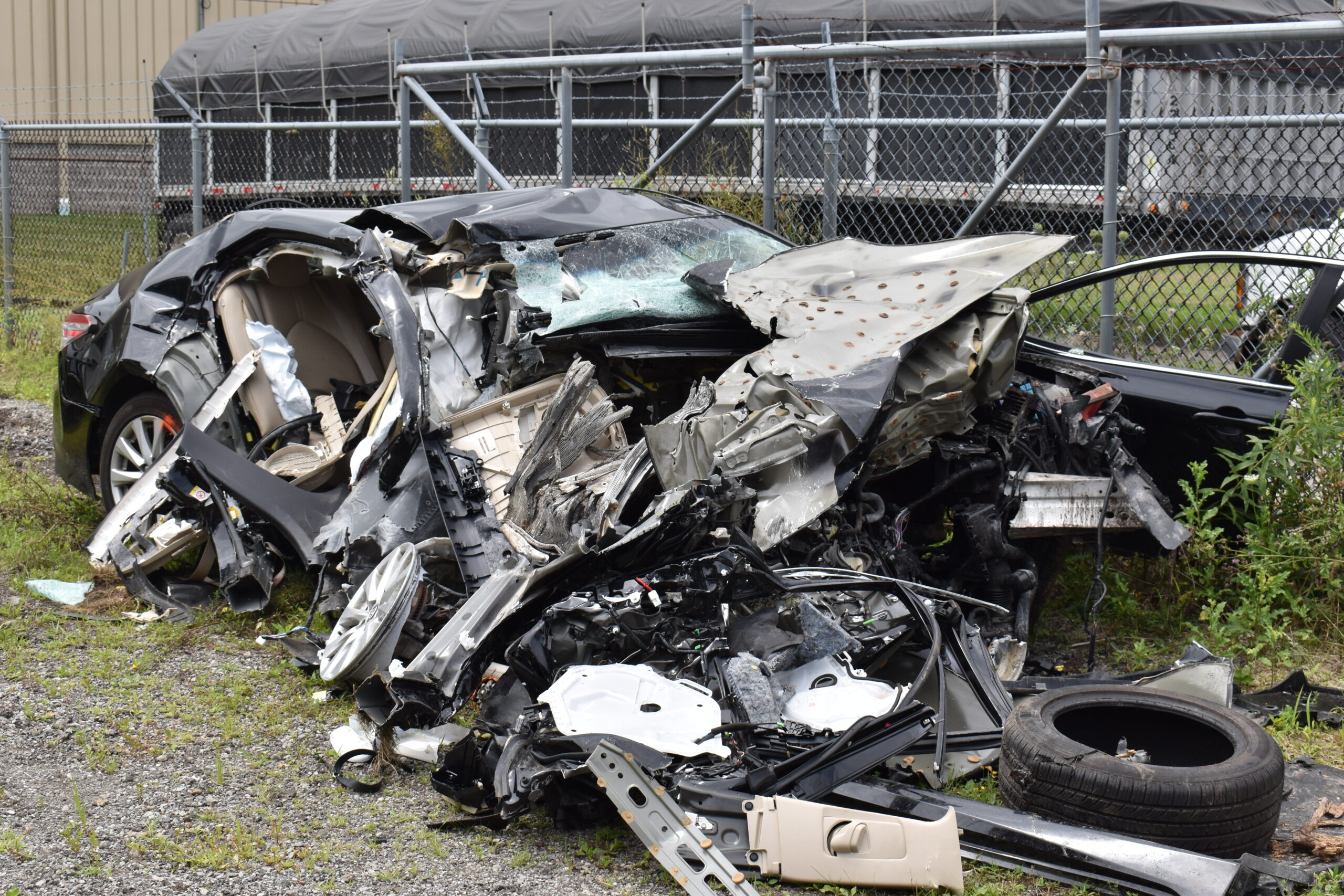
Just after 5:30 a.m., following a high school graduation party, Shirilla drove Russo (in the passenger seat) and Flanagan (in the back) along Progress Drive in Strongsville. Surveillance and vehicle data captured the Camry accelerating rapidly on a road with a 35 mph limit. It reached nearly 100 mph before slamming into a brick building. Russo and Flanagan died at the scene from blunt force trauma. Shirilla survived with severe injuries, including a broken femur, ribs, and internal damage.
First responders found a chaotic scene. No alcohol or psilocybin was in Shirilla’s system at the time of testing (though marijuana metabolites were present, consistent with her reported habitual use), and the car had no mechanical defects. A Prada slipper near the accelerator was later attributed to impact forces rather than pedal entrapment. The black box recorded full throttle application in the final seconds, with steering inputs and a brief gear shift that prosecutors suggested might have been desperate attempts by the passengers to intervene.
Shirilla claimed no memory of the final moments. Her defense pointed to a pre-existing diagnosis of Postural Orthostatic Tachycardia Syndrome (POTS), which can cause dizziness or fainting. However, the prosecution argued this was speculative, with no direct medical evidence linking it to the crash. Judge Nancy Margaret Russo (no relation) described the act as “controlled, methodical, deliberate, intentional and purposeful,” convicting Shirilla of murder and related charges.
A Tumultuous Relationship and Prior Incidents
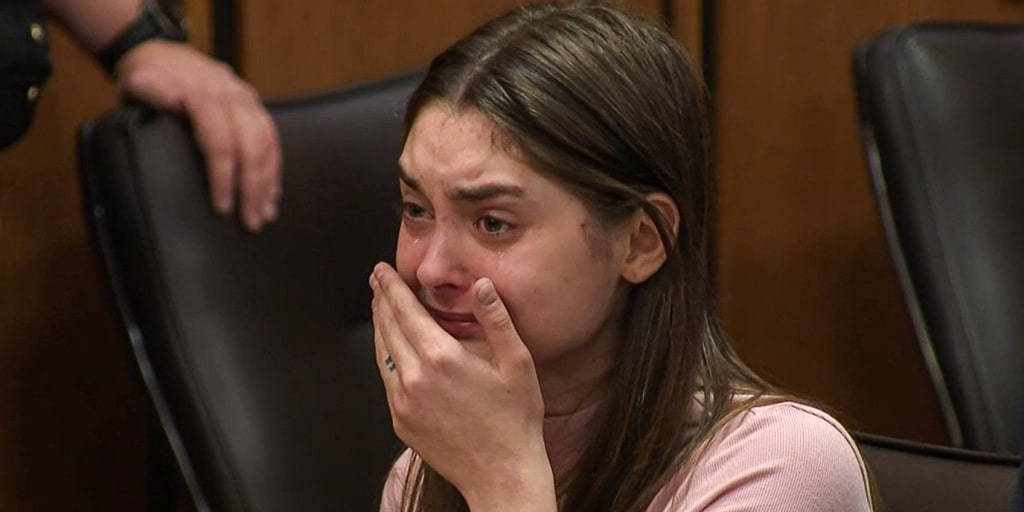
The trial revealed a volatile four-year relationship between Shirilla and Russo that began when she was a young teen. They lived together despite her age. Friends described Shirilla as image-conscious, active on TikTok as an influencer, and sometimes controlling. Russo’s family reported instances of alleged physical abuse and emotional turmoil.
A pivotal pre-crash incident occurred about two weeks earlier. Russo called his mother, Christine, from Shirilla’s car, fearing for his safety as she drove erratically. Family friend Christopher “Hench” Martin was sent to help. He reportedly overheard Shirilla threaten to “wreck this car” and saw physical struggling. Shirilla countered that Russo had tried to harm her or grab the wheel. Text messages presented in various accounts showed mutual accusations.
Prosecutors used this history, combined with social media posts showing limited immediate remorse (including videos and comments scrutinized for tone), to establish motive tied to relationship strife. Shirilla’s family maintained the crash was accidental or medically induced, presenting alternative interpretations of texts and arguing ineffective counsel in appeals.
Davion Flanagan was a promising athlete whose dreams were sidelined by injury; he was collateral in a tragedy that devastated multiple families.
The 2026 Documentary and the Viral Family Interview
The Crash, directed by Gareth Johnson, premiered on Netflix on May 15, 2026. It features interviews with families from all sides, investigators, friends, archival footage, and—crucially—Shirilla speaking publicly for the first time from prison. She reiterates no intent, profound remorse, and memory loss, while affirming “I know I’m not a monster.”
The Shirilla family interview, conducted earlier (with a notable WKYC/3News segment in May 2025), became a flashpoint. Natalie Shirilla appears emotional, advocating for her daughter’s innocence and describing the toll of imprisonment. The “folded tissue” moment—her dabbing eyes or holding it—struck viewers as either heartbreaking maternal devotion or overly staged. Social media erupted with reactions ranging from sympathy for a grieving mother to skepticism about accountability, especially given past court statements where Natalie called it a “terrible, tragic, nightmare accident” and emphasized her daughter was “not a murderer.”
This clip overshadowed deeper discussions. The documentary explores broader themes: teenage relationships amplified by social media, parenting challenges, influencer culture, and how digital footprints shape (or distort) public perception and investigations. Johnson, drawing from his own teen crash experience, aimed for nuance rather than sensationalism.
Appeals, Prison Life, and Lingering Questions
Shirilla is incarcerated at the Ohio Reformatory for Women in Marysville. Appeals have been denied, including claims of new medical evidence and ineffective assistance of counsel. Her family continues fighting, with Steve Shirilla facing professional repercussions tied to public attention.
Public opinion remains divided. Some see clear evidence of intent from data, history, and behavior. Others point to the unknowability of those final seconds, a young driver’s possible panic or medical event, and the harshness of trying a teen as an adult for life-altering consequences. The victims’ families, particularly Russo’s, have expressed ongoing pain and a desire to focus on Dominic and Davion rather than renewed defenses.
Why the Tissue Resonated
In an era of short attention spans and viral true crime, symbols matter. The folded tissue became shorthand. For critics of Shirilla’s family, it represented deflection—focusing on emotion over evidence after years of legal process. For supporters, it humanized the unbearable weight on parents watching their child serve life for an event they insist was not murder. It shifted debate from “Was it murder?” to “How do families process the unthinkable differently?”
This reflects wider societal patterns: we consume tragedy through emotional proxies. The raw humanity in Natalie’s interview clip cut through forensic arguments, forcing viewers to confront grief on both sides. Yet it risks reducing complex justice to optics.
Broader Implications
The Strongsville crash and its aftermath underscore risks of young, distracted, or emotionally charged driving; the influence of social media on relationships and reputation; and challenges in adjudicating intent when physical evidence is conclusive but psychological “why” remains contested. POTS and similar conditions raise questions about medical defenses in traffic cases. Parenting in the digital age gets scrutiny—how much oversight is enough?
Nearly four years on, Dominic Russo and Davion Flanagan are remembered as vibrant young men with futures stolen. Mackenzie Shirilla serves her sentence while maintaining innocence. The Russo and Flanagan families navigate permanent loss. The Shirillas advocate tirelessly.
The Crash didn’t resolve debates; it amplified them. The folded tissue clip, however fleeting, reminded audiences that behind data, verdicts, and documentaries are people—mothers dabbing tears, families fractured, lives irreparably altered. Public attention may wax and wane with the next viral case, but for those involved, the crash’s impact never fades. It endures in quiet moments, court records, and yes, even a simple tissue that somehow captured the internet’s gaze.