“I SWEAR I’LL HELP BRING THEM BACK…” — A video is spreading online showing the final known moments of a rescue diver who later died during recovery efforts in the Maldives. The experienced diver had joined the mission to retrieve victims from an underwater cave area and was seen calm just before entering the water for the last time. Loved ones now say the footage feels like an unexpected goodbye. Watch below👇
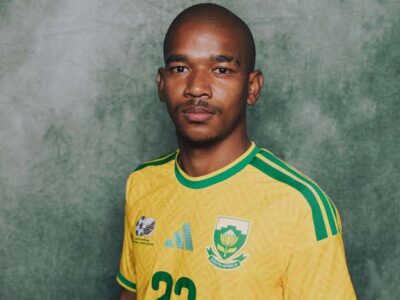
In the crystal-clear turquoise waters of the Maldives, where paradise often masks peril, a rescue mission turned into a double tragedy that has gripped the world. Staff Sergeant Mohamed Mahdhee (also spelled Mahudhee or Mahdi in reports), a dedicated member of the Maldivian National Defence Force (MNDF), volunteered for one of the most dangerous underwater recovery operations in the nation’s history. His calm demeanor in footage taken just before his final descent has become a symbol of quiet heroism—and a heartbreaking reminder of the risks divers face in the deep.
The story begins on May 14, 2026, when five experienced Italian divers—Gianluca Benedetti, Monica Montefalcone, her daughter Giorgia Sommacal, Muriel Oddenino, and Federico Gualtieri—embarked on what should have been an adventurous exploration of the Devana Kandu cave system near Alimathaa Island in Vaavu Atoll. The group, aboard a liveaboard vessel, pushed far beyond recreational limits, descending to depths exceeding 50 meters (over 160 feet) in a complex underwater cave network known for its narrow passages, strong currents, and silt-filled chambers. None had specialized cave diving training for such extreme conditions.
Tragically, all five perished. The cave’s bottlenecks and poor visibility likely contributed to disorientation, air management issues, and panic in an environment where even minor errors prove fatal. One body, believed to be Benedetti’s, was located near the entrance relatively quickly. The others were trapped deeper inside, in sections requiring technical cave diving expertise far beyond standard recreational scuba capabilities.
Maldivian authorities launched a high-stakes recovery operation. President Dr. Mohamed Muizzu visited the site, underscoring the national priority. Local military divers, including Mahdhee, were among the first responders. On May 16, during a dive, Mahdhee suffered severe decompression sickness—commonly known as “the bends”—a painful and potentially deadly condition caused by dissolved gases forming bubbles in the bloodstream and tissues upon rapid ascent or inadequate decompression stops.
He was rushed to a hospital but succumbed to his injuries. His death halted local efforts temporarily, prompting international assistance from specialized teams, including Finnish cave rescue experts who eventually helped recover the remaining bodies between May 18 and 20.
The Man Behind the Mission
Mohamed Mahdhee was no stranger to the sea. As a staff sergeant in the MNDF, he had built a reputation as a committed rescuer. Reports describe him as an experienced diver within the military context, though questions later emerged about whether he and his team were fully equipped or trained for the specific demands of deep cave recovery. A former superior reportedly noted that Mahdhee was “not trained” specifically for cave environments, highlighting the pressures of operating in a resource-limited island nation where tourism drives much of the economy and safety oversight can lag.
In the viral footage that has broken hearts worldwide, Mahdhee appears composed and focused. Shot the day before his fatal dive, it shows him standing shoulder-to-shoulder with President Muizzu and fellow team members, poring over maps and plans for the recovery. He looks every bit the professional—calm, determined, ready to serve. No dramatic last words are captured on record saying “I will bring them back, I promise,” but the sentiment echoes in the hearts of those who knew him and in the public imagination. The clip feels like a poignant goodbye, a snapshot of duty before the abyss.
Loved ones and colleagues have described the video as more than footage—it is a final image of a man defined by quiet resolve. In a nation where the sea provides life through tourism and fishing but also claims lives with unforgiving regularity, Mahdhee embodied the best of Maldivian service: willingness to risk everything for others.
The Perils of Cave Diving in Paradise
The Maldives, with over 1,000 coral islands and renowned dive sites, attracts hundreds of thousands of tourists annually. Its underwater world features vibrant reefs, shipwrecks, and cave systems formed by ancient geology. However, sites like Devana Kandu present extreme challenges: depths that trigger nitrogen narcosis (a drunken-like impairment), powerful currents that can pin divers against walls, silt-outs that reduce visibility to zero, and tight restrictions on air supply and navigation.
The Italian group reportedly exceeded the 30-meter recreational limit significantly. The liveaboard involved allegedly lacked proper permits for such deep dives, raising questions about regulation, briefing adequacy, and operator responsibility. Following the incident, authorities suspended the vessel’s license and called for stricter oversight. Italy has arranged autopsies, and the tragedy has sparked international discussions on adventure tourism safety.
Decompression sickness, which claimed Mahdhee, occurs when divers ascend too quickly, preventing safe off-gassing of nitrogen. Symptoms range from joint pain and rashes to paralysis, neurological damage, and death. Treatment requires hyperbaric chambers, which may not always be immediately available in remote atolls. Mahdhee’s case underscores the cumulative risks in repeated deep dives during prolonged recovery operations.
A Community in Mourning
In the Maldives, news of Mahdhee’s death spread rapidly. Hundreds gathered for his funeral prayers at the Islamic Centre, with full military honors. His casket was transported with solemn ceremony. President Muizzu and officials expressed deep condolences, praising his bravery.
For the families of the Italian victims, the recovery brought painful closure after days of agonizing uncertainty. Monica Montefalcone and her daughter Giorgia’s loss, in particular, resonated as a mother-daughter bond shattered in the deep. One husband described his wife, a marine biologist and cautious diver, in terms that highlight how even experts can be overtaken by the environment.
Social media has amplified the grief. Viral posts, some with sensational headlines, have shared the planning video alongside tributes. While some embellish details—like the exact promise quote—the core emotion is genuine: respect for lives lost in pursuit of exploration and rescue.
Broader Implications for Dive Safety

This tragedy is not isolated. Globally, cave diving remains one of the most hazardous recreational activities, with a fatality rate far higher than open-water diving. Technical training, proper equipment (redundant gas systems, reels, lights), team protocols, and conservative depth limits are essential. The Maldives incident highlights gaps in local enforcement and the dangers of tourists underestimating risks in “easy” tropical waters.
Experts like British cave diver John Volanthen have commented on the extreme conditions: narrow passages, low visibility, and the psychological toll. International teams stepped in after the local diver’s death, completing recoveries that required specialized skills.
Calls for reform include better training for local rescuers, mandatory permits with depth and experience verification, improved emergency medical infrastructure across atolls, and education campaigns for tourists. The tourism industry, vital to the Maldivian economy, must balance allure with responsibility.
Heroism in the Face of Loss
Mahdhee’s story transcends statistics. In an era of viral content, his calm presence in that final video humanizes the abstract dangers of the deep. He volunteered knowing the risks, driven by duty to bring closure to grieving families. His sacrifice prevented further amateur attempts and paved the way for expert intervention.
As one official noted, the operation involved immense coordination amid rough weather and logistical challenges. Mahdhee’s team pushed limits to honor the dead—only to lose one of their own.
The phrase circulating online, “I will bring them back, I promise,” may not be verbatim, but it captures the unspoken vow of every rescuer. In the silent planning meeting captured on video, amid maps of treacherous caves, that promise was implicit in his stance and focus.
Remembering the Victims
The five Italians sought adventure and beauty beneath the waves. Their story serves as a cautionary tale about preparation and humility before nature’s power. Gianluca Benedetti was found first; the others required days of painstaking effort. Their bodies were repatriated, leaving behind families forever changed.
Muriel Oddenino, a marine researcher, Federico Gualtieri, a recent graduate, and the mother-daughter pair Montefalcone and Sommacal represent dreams cut short. Their GoPro footage, if recoverable, may one day reveal critical moments, offering lessons for the diving community.
Lessons from the Abyss
The Maldives double tragedy—five tourists and one rescuer—demands reflection. It reveals the thin line between thrill and peril, the heroism of those who respond, and the need for systemic improvements in a nation where the ocean defines existence.
As the world watches the haunting video of Mahdhee one last time, it serves not just as a memorial but a call to action: honor the fallen by making the seas safer. Invest in training, enforce regulations, and respect the depths that can never be fully tamed.
In the end, Mohamed Mahdhee did bring some closure. Through his efforts and those of his colleagues, families could lay their loved ones to rest. His own life, given in service, adds another layer to the story of sacrifice in paradise.
The waters around Vaavu Atoll are calm again, but the echoes remain. For divers everywhere, the message is clear: prepare rigorously, dive conservatively, and never underestimate the ocean’s capacity to claim even the most experienced among us.