The fatal stabbing of 81-year-old character actor James Handy on June 3, 2026, has evolved from a tragic domestic response into one of the most structurally complex homicide investigations in recent Los Angeles history. While initial media reports highlighted the bizarre biblical nature of the suspect’s 911 transmission, detectives within the Los Angeles Police Department West Valley Division are now focusing heavily on the technical timeline recorded by the emergency communications center. The final interaction between the emergency coordinator and the caller on Erwin Street has provided a critical piece of audio evidence that challenges the initial assumption of a simple, localized domestic meltdown.
Emergency dispatch coordinators are trained to maintain absolute emotional neutrality, filtering through panic to extract actionable data for incoming patrol units. However, the recording from that Wednesday morning captured a shift in tone that seasoned operators describe as deeply unsettling. Before the first black-and-white police cruisers could even turn onto the 19200 block of Erwin Street, the caller delivered a final, calculated statement that went beyond a mere admission of physical compliance.
The coordinator, attempting to keep the caller engaged and stationary on the property, requested confirmation regarding weapons and immediate intentions. The response received was not a declaration of surrender born out of remorse or panic. Instead, the individual delivered a cold, final clarification regarding the nature of the act, effectively telling the coordinator that the event was an absolute necessity that had now been completed according to a higher design. This specific phrasing, delivered with zero vocal fluctuation, has forced investigators to reassess the entire psychological framework of the attack.
Sifting Through the Digital Perimeter
With the audio from the communications center secured, LAPD detectives have turned their attention to an exhaustive digital dragnet covering the surrounding Tarzana neighborhood. Technicians from the forensic science division have spent days collecting every available second of digital surveillance footage from private residences, commercial establishments on nearby thoroughfares, and smart-home doorbell systems. This massive collection of video files is being processed frame-by-frame to establish a precise chronological matrix of the hours leading up to and immediately following the 9:30 a.m. call.
The scrutiny is not limited to the property where Handy was discovered. Teams are mapping the movements of vehicles and pedestrians across a multi-block radius to determine if the location was under observation prior to the confrontation. The viral discussion surrounding the footage of a man walking calmly away from the scene has elevated the importance of this digital canvass. Detectives are cross-referencing the physical descriptions and behavioral traits observed in those videos with archival footage from previous days, attempting to determine if there was a pattern of stalking or preparatory movement.
This systematic review of the neighborhood’s digital footprint aims to eliminate any ambiguity regarding the timeline. By analyzing the ambient details caught on camera—such as passing cars, delivery vans, and the exact moments residential lighting activated—investigators are building an undeniable sequence of events. This level of detail is critical for the Los Angeles County District Attorney’s office, ensuring that when the case proceeds to a preliminary hearing, the physical movements of the suspect can be perfectly synced with the incoming audio logs from the dispatch center.
Deconstructing the Motive Matrix

As the technical data compiles, the primary focus of the homicide investigation has shifted toward understanding the underlying driver behind the violence. In the immediate wake of the arrest of 44-year-old Michael Gledhill, speculation focused heavily on the internal stresses of a multi-generational household, with many assuming the conflict arose from protective or possessive feelings regarding Gledhill’s mother, who was Handy’s long-time partner. However, sources close to the investigation now state explicitly that the suspect’s motive was not simply rooted in domestic affection or family protective instincts.
The combination of the specific wording used during the 911 call and the statements recorded by the emergency coordinator points toward a far more complex and dangerous ideological fixation. Behavioral analysts within law enforcement are examining whether Gledhill had developed a highly personalized system of belief that cast the veteran actor not as a family member or a benefactor, but as an existential adversary. When an individual operates under a profound cognitive delusion where everyday figures are recontextualized as grand symbolic entities, standard concepts of domestic motive cease to apply.
Investigators are digging into Gledhill’s digital history, reviewing seized electronic devices, internet search logs, and personal journals to find the origin of this ideological shift. They are looking for evidence of radicalization, obsessive consumption of specific theological interpretations, or a history of unaddressed psychiatric crises that could cause a person to view a peaceful 81-year-old man as a figure of ultimate corruption. The goal is to determine if the attack was an impulsive reaction to an argument or the culmination of a lengthy, internal obsession that had been building silently behind closed doors.
The Continuing Impact on a Hollywood Legacy
While the legal and forensic systems grind forward in Van Nuys, the reality of James Handy’s absence continues to weigh heavily on the film and television community. The veteran actor, who built a highly respected career over fifty years and filled nearly 150 roles with distinct authority, was a symbol of stability and professionalism in an industry often characterized by volatility. From his early appearances in classic legal dramas to his recent, memorable turn as Jimmy the bartender in the global phenomenon Top Gun: Maverick, Handy was a craftsman who approached every script with dedication.
The revelation that his final moments were intertwined with a complex psychological manifestation has added a deeper layer of tragedy for those who knew him. Colleagues from projects like Jumanji, Logan, and The X-Files have shared private expressions of grief, struggling to reconcile the gentle, cooperative colleague they worked with on studio sets with the horrific, symbolically charged violence that claimed his life on a suburban lawn. Handy’s legacy is now undergoing a painful dual evaluation: celebrated for an extraordinary body of artistic work, while permanently linked in public memory to a chilling and unresolved criminal mystery.
The high bail of $2 million currently keeping Gledhill secured at the Van Nuys Jail reflects the judicial system’s recognition of the extraordinary nature of the threat. As the arraignment approaches, the intersection of the emergency coordinator’s audio evidence, the massive repository of neighborhood surveillance footage, and the unfolding complexity of the suspect’s internal world will form the basis of the legal arguments. The investigation remains focused on transforming a chaotic act of suburban violence into a completely understood, legally absolute narrative, seeking answers within the digital logs and recorded confessions that continue to haunt those tasked with uncovering the truth.
News
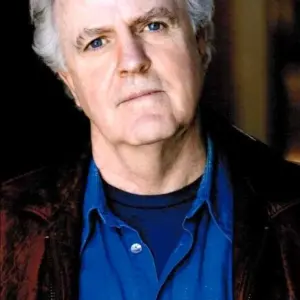
A HOLLYWOOD MYSTERY: James Handy’s final moments may have begun with a family argument, but it was security footage of a man walking away that sparked widespread discussion…
The Shadows of Erwin Street The investigation into the tragic death of 81-year-old character actor James Handy has taken a complex turn as detectives from the Los Angeles Police Department piece together the hours leading up to the fatal incident….
HORROR IN HOLLYWOOD: The man accused of stabbing Top Gun: Maverick actor James Handy allegedly called 911 himself — but the seven chilling 5 words he said are what investigators can’t forget…
The suburban neighborhood of Tarzana, California, is known for its wide streets, beautifully manicured lawns, and a tranquil atmosphere that usually isolates it from the darker undercurrents of Los Angeles. Located in the San Fernando Valley, it is the kind…
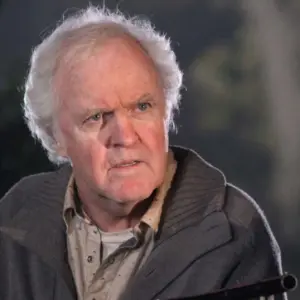
A CONTROVERSY CHANGED EVERYTHING.” 😳 Top Gun: Maverick actor James Handy was stabbed to death, and police subsequently arrested his girlfriend’s son 👀 👇 But it was the unfinished 911 call from inside the new house that EXPOSED her motives
Top Gun: Maverick actor James Handy stabbed to death in L.A.; girlfriend’s son is arrested Handy appeared in a number of films including Top Gun: Maverick, Jumanji and Arachnophobia. James Handy appeared in a number of movies and TV shows…
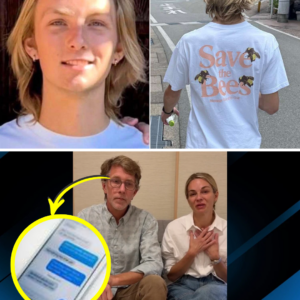
FAMILY JUST REVEALED NEW INFORMATION… While the search for James “Weston” Higginbotham continues, relatives say there’s a small detail about his mental health reminders before his 30-day trip that can now be ignored
FAMILY JUST REVEALED NEW INFORMATION… While the search for James “Weston” Higginbotham continues, relatives say there’s a small detail about his mental health reminders before his 30-day trip that can now be ignored. This latest disclosure from the Higginbotham family…
“That’s nothing like Weston at all…” A close friend of missing Auburn student James “Weston” Higginbotham reportedly had a heated argument with a female classmate just 30 minutes before disappearing. Now her identity and testimony are silencing everyone
A close friend of missing Auburn student James “Weston” Higginbotham reportedly had a heated argument with a female classmate just 30 minutes before disappearing. Now her identity and testimony are silencing everyone. The phrase captures the profound disbelief rippling through…
“He never went anywhere without it…” Family members searching for James “Weston” Higginbotham have now revealed that investigators are trying to locate a smartwatch they believe contained his last known GPS location, just 500 meters from the riverbank
He never went anywhere without it. For James “Weston” Higginbotham, that simple truth about his smartwatch encapsulated a young man’s deep reliance on technology not just for convenience but for the sense of security and connection it provided in an…
End of content
No more pages to load