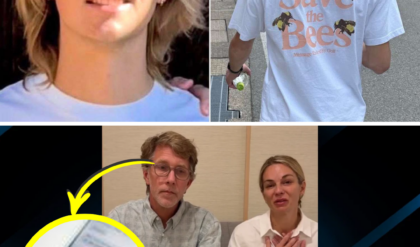
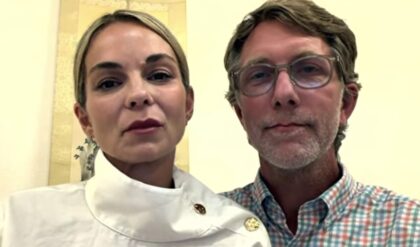
The partial release of further investigative findings and what has been described as an official indictment document into the death of 20-year-old James “Weston” Higginbotham has sent ripples through his family, friends, and online communities, particularly after a family member’s emotional response to a key statement gained traction. What began as a family vacation in Japan to celebrate his younger brother’s high school graduation ended in profound tragedy when the Auburn University biosystems engineering student from Hoover, Alabama, disappeared on May 29, 2026, after venturing alone into the forested trails near Yamashina outside Kyoto. Volunteer rescuers discovered his body on June 6 in a remote, steep mountainous area, and while authorities have maintained no foul play is suspected, the emerging details—including the cause of death now being revealed—have intensified scrutiny and public discussion, with one family member’s quoted reaction becoming a viral touchstone of disbelief and grief.
Weston Higginbotham was remembered as a passionate, environmentally conscious young man whose love for nature and sustainability defined his character and academic path. At Auburn, he immersed himself in biosystems engineering, advocating for biodiversity and responsible practices that reflected his hands-on approach to the world around him. His hiking excursions were methodical affairs, always equipped with essentials like the small pocket flashlight he reportedly never left behind, a detail that puzzled investigators when it was absent from his recovered belongings. On that fateful evening in Kyoto, after a disagreement with his mother Nancy over her use of AI tools like ChatGPT for planning—a conversation rooted in his concerns about technology’s environmental impact—Weston sought independent reflection in the ancient forests. CCTV footage showed him heading toward the trails as dusk settled, his phone signal fading soon after amid an approaching typhoon that complicated the subsequent search efforts.
The physical condition of Weston’s body upon discovery painted a harrowing scene. Rescuers described it as pitiful, marked by scratches that appeared fresh and consistent with a desperate struggle against the elements, dense vegetation, or slippery terrain in the storm. One rescue worker’s observation from the site has remained misunderstood, emerging as a persistent unanswered question. His parents’ initial focus upon notification centered on his mental health rather than the physical cause, a priority that has echoed through subsequent revelations, including the separately recovered phone, a private conversation days prior where a friend later regretted not asking deeper questions, and a last letter offering personal reflections. The partial report featured a handwritten note on the first page and a notable line on page two that drew significant attention, alongside medical records containing an unexpected short note about mental illness and testimony that friends insisted did not align with the Weston they knew.
As the cause of death has now been revealed in the latest documentation—details that align with the challenging wilderness conditions, possible exposure, injury from a fall, or related factors amid the typhoon—the family’s response has crystallized around a specific statement within what is being referred to as the indictment or formal findings. A family member, speaking amid the emotional weight of the disclosure, reportedly declared, “Even on the worst day, he wouldn’t have done that,” pushing back against implications or interpretations in the document that seemed to suggest actions or a mindset inconsistent with Weston’s character. This heartfelt rebuttal has circulated widely online, resonating with supporters who followed the case and highlighting the tension between official conclusions and the personal knowledge of those closest to him. The statement encapsulates a defense of his resilience and principles, rejecting any narrative that might portray his final hours as deviating from the thoughtful, prepared explorer they remembered.
The latest findings have brought a measure of closure regarding the physical circumstances while opening deeper emotional dialogues. The cause of death, tied to the unforgiving environment of the Yamashina mountains during heavy rains, underscores the risks of solo hiking in unfamiliar territory, even for someone as experienced as Weston. Yet the family member’s response to the indictment’s statement has shifted focus toward questions of interpretation, mental health context, and the limitations of reconstructing isolated moments. Investigators continue reviewing the full scope, including the medical recording with discordant testimony, the short note in records referencing mental illness, and how these align with the last letter, private conversation, and scene observations. The missing flashlight, scratches suggestive of struggle, and phone data remain integral pieces, but the viral family quote has humanized the process, reminding many that behind forensic details lies a vibrant young life.
Weston’s academic and personal journey provided a consistent narrative of curiosity and conviction. His advocacy, symbolized by the “Save the Bees” T-shirt noted in appeals, and his philosophical stance against certain technologies during the family trip reflected a worldview that prized direct engagement with nature. The trails near Yamashina likely appealed as a space for solace after the disagreement, yet the combination of fading light, weather, and any internal factors turned the outing into a fatal encounter with the landscape’s perils. Friends reviewing the medical elements and now the indictment have echoed the sentiment that certain implications do not match the resilient individual who prepared meticulously for every adventure. The family member’s circulating response serves as a public affirmation of that character, countering any reductive interpretations with the depth of personal knowledge.
Online communities have amplified the family member’s words, with discussions spanning grief, mental health awareness, travel safety, and the challenges of international incidents involving young adults. The cause of death revelation, while clarifying physical aspects, has not quelled speculation fueled by the accumulating personal artifacts—the absent flashlight, the last letter, the private conversation’s regrets, the report’s annotations, and the medical notes. Nancy Higginbotham’s public expressions of heartbreak on social media, thanking volunteers and supporters while describing grief as impossible to articulate, have been joined by this latest family statement, fostering empathy and calls for nuanced understanding.
The search and recovery operation exemplified dedication amid difficulty. Japanese authorities, volunteers, and the Higginbothams navigated cultural and logistical barriers, with heavy rains from the typhoon hampering efforts until volunteers located Weston. No foul play suspected, the case remains a tragic misadventure, yet the indictment’s statement and the family’s rebuttal highlight how official language can intersect painfully with lived realities. Investigators’ ongoing work aims to integrate all elements, providing as complete a picture as possible while respecting privacy. The viral response underscores a broader truth: families often hold intimate insights that challenge or enrich formal findings.
As repatriation proceeds and memorial plans take shape, the Higginbothams face the dual task of mourning and processing these public dimensions. The cause of death revelation, coupled with the family member’s statement, has prompted reflections on the importance of mental health support, clear communication during travel, and respecting individual needs for solitude. Weston’s story resonates as a cautionary yet inspiring tale of a young man dedicated to sustainability and exploration, whose final journey ended in circumstances still layered with personal meaning. Friends insist that even on his worst day, his actions would align with the principled spirit they knew, a sentiment now echoing widely online.
The forested expanses around Yamashina, beautiful yet demanding respect, now carry the weight of this narrative. The indictment and its response have kept the case in the spotlight, driving conversations about wilderness preparedness, family dynamics abroad, and the human elements within investigations. Weston’s legacy at Auburn and in Alabama communities centers on his intellect, kindness, and environmental passion, qualities that transcend any single document or statement. The missing flashlight remains a symbol of his preparedness, the scratches a testament to his struggle, and the family’s words a defense of his character amid revelation.
Broader awareness efforts may emerge from the tragedy, encouraging better safety protocols for hikers, open dialogues on mental well-being, and empathy for families navigating loss under public scrutiny. The cause of death, while clarified, does not diminish the complexities revealed through medical records, personal letters, and scene details. The family member’s response, circulating as a beacon of love and conviction, affirms that Weston’s story is defined not solely by its end but by the vibrant life that preceded it. In time, fuller understanding may bring additional peace, but for now, it fosters collective reflection on cherishing connections and honoring the full humanity of those who venture into the wild.
James “Weston” Higginbotham’s journey, though tragically shortened amid Kyoto’s mountains, continues to illuminate discussions on curiosity, resilience, and the delicate balance between adventure and safety. The latest indictment and the family’s poignant rebuttal serve as reminders of the personal stakes in every investigation. Supporters worldwide have offered compassion, ensuring his memory endures through advocacy for the causes he held dear. Even as questions linger, the response “Even on the worst day, he wouldn’t have done that” captures an enduring truth about the young man whose light shone through his principles, friendships, and love for the natural world, guiding reflections long after the trails have quieted.
News
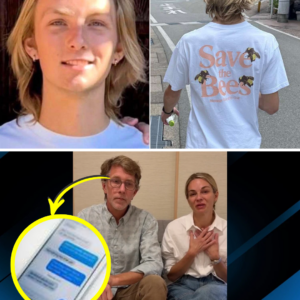
🚨 MEDICAL RECORDS MAY HAVE RAISED MORE QUESTIONS THAN ANSWERS. Those close to James “Weston” Higginbotham say investigators recently uncovered an unexpected short note about his mental illness
The deepening investigation into the death of 20-year-old James “Weston” Higginbotham has taken a particularly intimate and unsettling direction with the review of medical records, where an unexpected short note referencing his mental illness has reportedly raised more questions than…
⚠️ PAGE 2 IS NOW GETTING ALL THE ATTENTION. As investigators continue reviewing James “Weston” Higginbotham’s case, one line from an official record is reportedly leaving people close to him with more questions than answers
The unfolding investigation into the death of 20-year-old James “Weston” Higginbotham has taken yet another perplexing turn as attention shifts sharply to the second page of the partial official report, where a single line has reportedly left family, friends, and…
That doesn’t sound like Weston at all…: A newly reviewed medical recording relating to the final days of James “Weston” Higginbotham allegedly contains testimony that his friends say doesn’t match someone they knew – and investigators are reviewing the matter
The release of additional details from the ongoing investigation into the death of 20-year-old James “Weston” Higginbotham has introduced yet another layer of profound unease for his family and friends, as a newly reviewed medical recording from his final days…
🚨 JUST RELEASED: Investigators have finally completed part of the report into James “Weston” Higginbotham’s death, but it’s one handwritten note near the bottom of the first page that his family reportedly can’t stop talking about
The partial release of the investigative report into the death of 20-year-old James “Weston” Higginbotham has provided some long-awaited structure to the circumstances surrounding his disappearance in the mountains outside Kyoto, Japan, yet it has also intensified the emotional turmoil…
A FINAL DIARY ENTRY IS BREAKING HEARTS… Family members of James “Weston” Higginbotham say investigators recently questioned him about a notebook he kept, because a short passage might help explain the emotional struggle he had been hiding
The intricate and deeply harrowing narrative surrounding the disappearance, search, and ultimate discovery of James “Weston” Higginbotham has evolved into a profound psychological and forensic study that continues to challenge the foundational methods of international law enforcement and deeply affect…
HE ASKED ME IF PEOPLE EVER START OVER AGAIN… When opening James “Weston” Higginbotham’s notebook, revealing that detectives recently reviewed a very private conversation with a psychiatrist that took place less than 24 hours before he disappeared
The layers of the investigation into the disappearance of James “Weston” Higginbotham have peeled back to reveal a deeply intimate and painful narrative, shifting the focus from external physical tracking to the quiet, internal landscape the young Auburn student was…
End of content
No more pages to load