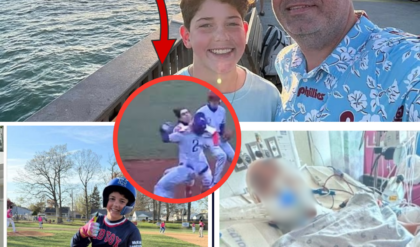
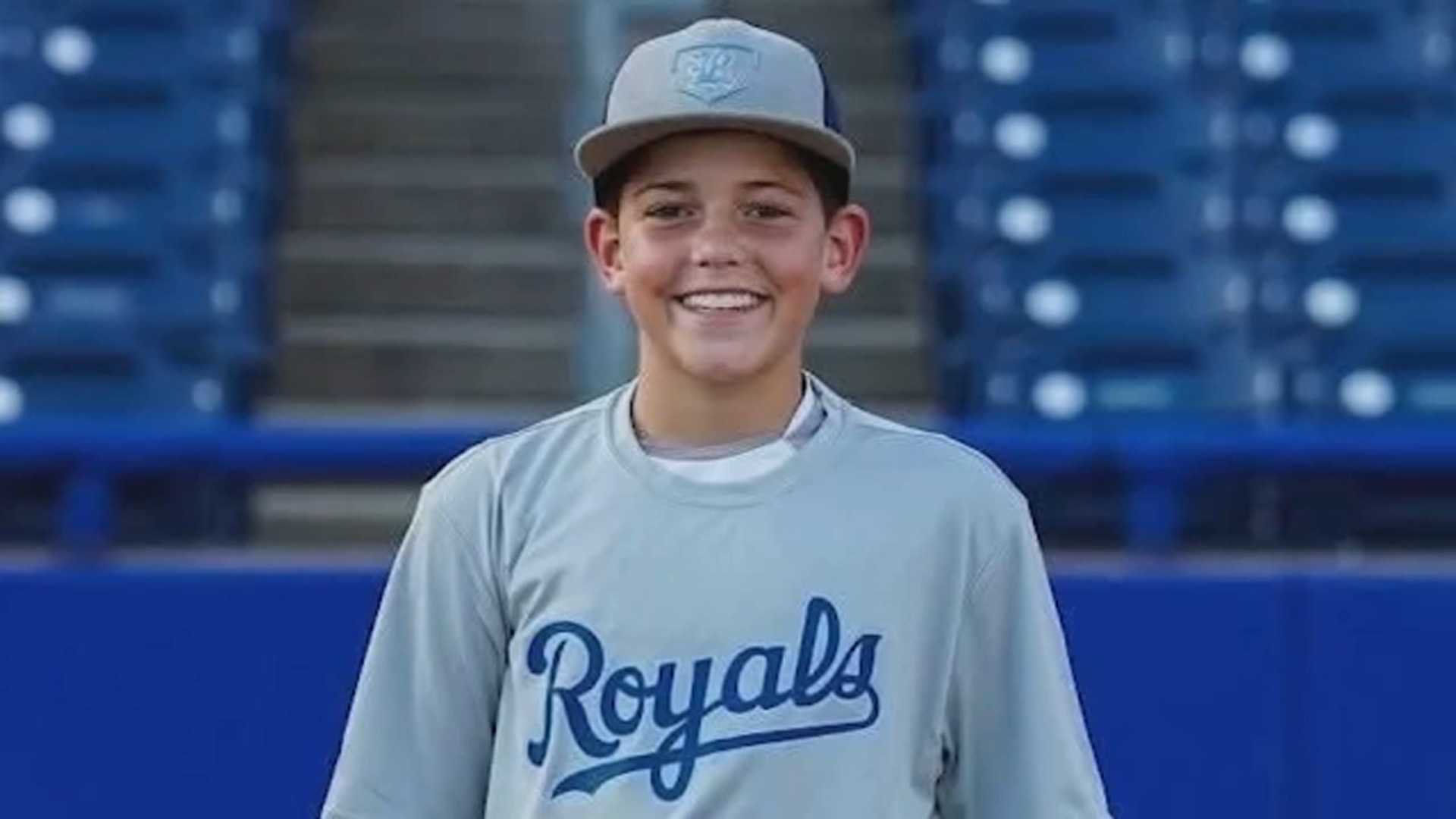
In the quiet suburbs of Maple Shade, New Jersey, the Taylor family’s world changed in an instant on May 26, 2026. Twelve-year-old Xavier Taylor, a vibrant young baseball player with dreams of one day stepping onto a bigger field, was warming up with his Maple Shade Youth Baseball teammates when a freak accident occurred. An errant throw from a fellow player struck him in the neck or back of the head. What followed was a collapse on the field, cardiac arrest, emergency intervention, and an airlift to Cooper University Hospital in Camden. As of early June 2026, Xavier remains in critical condition, dependent on a ventilator in the intensive care unit. His story has united communities across South Jersey, Philadelphia, and beyond in prayer, support, and hope for a miracle.
Recent reports and online discussions have highlighted growing concern as doctors continue to monitor Xavier’s progress. While specific details about any new abnormal findings remain closely guarded by the family and medical team—with updates primarily coming from Xavier’s father, Gregory Taylor—supporters are anxiously awaiting clarity on what these evaluations might mean for the boy’s long-term recovery. The family has emphasized taking things day by day, clinging to signs of stability such as Xavier no longer needing blood pressure medication and maintaining stable vital signs while receiving nutritional support. Yet the uncertainty surrounding potential complications from the traumatic injury adds another emotional layer to an already harrowing ordeal.
Xavier’s injury is the kind that sends chills through any parent or coach involved in youth sports. A high-velocity impact to the neck or head area can disrupt critical neurological pathways, affect breathing control, and trigger cascading issues including swelling, reduced blood flow, or secondary complications in the brain and spinal regions. Medical experts note that such cases often involve prolonged intensive care, with recovery hinging on the body’s response to initial trauma, the effectiveness of supportive measures like ventilation, and the gradual return of neurological function. In Xavier’s case, early reports indicated he was unresponsive, but the family has shared hopeful glimpses—small movements, responses to touch, and a community-wide belief in his fighting spirit.
Gregory Taylor has been a pillar of strength amid the uncertainty. During prayer rallies outside the hospital, he described his son’s condition candidly: still very critical, still on the ventilator, but with the family pushing forward in faith. “We’re just pushing day by day to hope that the activity comes back,” he said in one update. He recounted a touching moment when his youngest son brought a pair of shoes for Xavier, declaring they were for when he walks out of the hospital. These personal anecdotes have resonated deeply, humanizing the medical struggle and reminding everyone that behind the monitors and tubes is a boy who loves baseball, his family, and life.
The outpouring of support has been extraordinary. The Maple Shade community quickly organized vigils, with friends, teammates, and neighbors gathering under the banner of “Xavier Strong” or “Shade Strong.” Local sports teams, including the Lehigh Valley IronPigs and Trenton Thunder, have honored him during games, sometimes inviting family members onto the field. Landmarks across Philadelphia, from the skyline to the Ben Franklin Bridge and sports complex, lit up in blue to symbolize solidarity and hope. Fundraisers, meal trains, and donation drives have eased some burdens on the Taylor family, allowing them to focus on being at Xavier’s bedside.
This wave of compassion reflects something profound about human nature: in moments of tragedy, communities often rally with remarkable unity. Youth baseball leagues across the region have used the incident to reinforce safety protocols—better awareness during warm-ups, protective gear discussions, and reminders that no drill is worth a child’s life. Coaches and parents are reflecting on the thin line between routine play and unforeseen risk. Xavier’s teammate who threw the errant ball has also been in the family’s thoughts; Gregory has publicly described it as a complete freak accident with no blame assigned, a gracious stance that has further endeared the family to the public.
Delving deeper into the medical realities, traumatic brain or neck injuries in children present unique challenges. Young bodies have remarkable plasticity, offering greater potential for recovery compared to adults, but the developing brain is also more vulnerable to swelling and long-term effects. Doctors at facilities like Cooper University Hospital, a Level I trauma center, employ advanced imaging, continuous monitoring, and multidisciplinary teams including neurologists, intensivists, and rehabilitation specialists. Any “abnormal findings” during ongoing evaluations—whether related to brain activity, spinal integrity, inflammation markers, or secondary infections—could influence everything from weaning off the ventilator to prospects for mobility and cognitive function. Families in similar situations often describe a rollercoaster of hope and fear as test results trickle in.
For the Taylors, the waiting game is exhausting. Gregory has balanced updates with calls for continued prayers, stressing that all medical information will come from the family moving forward. This approach protects privacy while keeping supporters engaged without speculation. Online platforms have buzzed with well-wishes, stories of other children who defied odds after similar injuries, and offers of help. One touching thread mentioned past cases where children emerged from comas or ventilator dependence to walk and talk again, fueled by family love and medical persistence. Yet each case is individual, and Xavier’s path remains uniquely his own.
Xavier himself was described by those who know him as energetic, dedicated to the game, and surrounded by a loving family including siblings who look up to him. Baseball was more than a sport; it was a passion that built character, teamwork, and resilience. The irony of an injury occurring in the very activity he cherished has not been lost on observers. It has prompted broader conversations about youth sports safety—equipment standards, coaching techniques for throws and catches, and the importance of immediate emergency response training for leagues. Organizations like USA Baseball and local associations may see renewed emphasis on these areas in the wake of high-profile incidents.
As days turn into weeks since the May 26 accident, the emotional toll on the family is immense. Gregory’s updates convey both realism and unwavering optimism. He speaks of believing in miracles while acknowledging the critical nature of Xavier’s state. Supporters echo this duality—celebrating small victories like stable vitals or reported finger movements while bracing for the possibility of a long rehabilitation journey. Physical therapy, occupational therapy, and neurological rehabilitation could become central if Xavier stabilizes enough to transition out of acute care. Stories of young athletes returning to play after severe trauma provide inspiration, though they also underscore the variability of outcomes.
Beyond the immediate medical concerns, Xavier’s story highlights the power of community in healing. From professional minor league teams showing support to strangers lighting landmarks and donating, the collective response has created a network of encouragement. Social media has amplified the message, with hashtags and dedicated pages keeping the momentum alive. Prayer vigils continue, blending faith with practical aid. This holistic support—spiritual, emotional, and logistical—often proves as vital as clinical treatment in pediatric trauma cases.
Experts in pediatric neurology emphasize that recovery from such injuries is rarely linear. There may be plateaus, setbacks, and unexpected breakthroughs. Factors like Xavier’s overall health prior to the accident, the precise nature of the impact, and timely interventions all play roles. The mention of new findings under review naturally raises questions: Could they indicate manageable inflammation, or something requiring adjusted treatment protocols? Without official confirmation, speculation fills the void, but the family’s request for patience and privacy serves as a guide. Their focus remains on Xavier’s comfort and any positive neurological signals.
Parents across the country have shared how this story has affected them personally. Many recount tightening supervision during their own children’s games or discussing head and neck safety more openly. It serves as a sobering reminder that sports, while invaluable for physical and social development, carry inherent risks that demand respect. Xavier’s resilience, even in silence, has become a beacon for many facing their own challenges.
Looking ahead, the road to recovery—if Xavier continues to show progress—will likely involve extensive therapy, family adjustments, and ongoing medical oversight. Rehabilitation centers specializing in pediatric brain injury offer structured programs aimed at regaining motor skills, speech, and independence. The Taylors will need sustained support long after the initial media attention fades. Funds raised will help cover costs not fully addressed by insurance, while emotional backing from the community can sustain morale through difficult days.
In reflecting on Xavier Taylor’s fight, one cannot help but feel the weight of uncertainty mixed with profound hope. A 12-year-old boy whose life revolved around the crack of the bat and the thrill of the diamond now battles for basic functions in a hospital bed. His family’s grace under pressure, the community’s generosity, and the quiet determination of medical professionals paint a picture of humanity at its best amid adversity. As specialists review those latest findings, the world watches and prays for clarity that leads to healing.
The full details of Xavier’s condition continue to evolve, but the core message from those closest to him remains steadfast: keep believing, keep supporting, and cherish every small step forward. For a boy who once ran bases with joy, the ultimate goal is clear—walking home in those shoes his little brother saved for him. Until then, South Jersey and beyond stand united, turning heartbreak into a testament of collective strength and unwavering faith in recovery.
This development, while adding concern, also spotlights the dedication of everyone involved in Xavier’s care. Medical teams at Cooper University Hospital work tirelessly, balancing cutting-edge interventions with compassionate family-centered approaches. Advances in trauma care, from better ventilatory management to neuroprotective strategies, offer reasons for optimism even in critical cases. Public awareness generated by Xavier’s story may contribute to broader improvements in youth safety protocols, ensuring fewer families face similar nightmares.
Ultimately, Xavier Taylor’s journey is far from over. It is a narrative still unfolding, marked by love, resilience, and the enduring human spirit. As supporters await the next chapter, one truth stands out: in the face of the unknown, a community’s embrace can light the darkest paths. For the Taylor family, that light fuels their daily vigil and their belief that Xavier will one day return to the field—not just as a player, but as a symbol of triumph over tragedy.
News

BREAKING NEWS: Friends of James “Weston” Higginbotham have spoken out after weeks of speculation. They say a rumor circulating online is completely false — and they want people to remember the 20-year-old for who he really is
The heartbreaking case of 20-year-old James “Weston” Higginbotham has taken yet another deeply personal turn as his mother, Nancy Higginbotham, has publicly pushed back against medical conclusions labeling her son as mentally ill, insisting that the doctor’s final assessment was…
🚨 “That’s NOT the Weston we know.” Friends of James “Weston” Higginbotham are refuting assumptions circulating online after the Auburn student was found dead outside Kyoto, and a detail from his psychiatric appointments is now drawing renewed attention…
The tragic death of 20-year-old James “Weston” Higginbotham continues to spark intense debate and emotional responses as friends and loved ones push back strongly against online assumptions about his final hours, insisting that certain details emerging from his psychiatric appointments…
BREAKING: James “Weston” Higginbotham’s family says the story being told about his final days is not the full story. Now, one emotional statement from those closest to him is reigniting debate about what people may have misunderstood from the beginning…
The Untold Narrative of the Yamashina Woods The peaceful mountains bordering Kyoto are globally famous for their quiet bamboo groves, historic wooden temples, and tranquil shrines. Every year, millions of travelers journey to Japan’s ancient capital to experience this calm…
“I still can’t picture him being there…” Friends of James “Weston” Higginbotham say the hardest thing isn’t that he was found after eight days — but where he was found
The Hidden Dangers of the Ancient Capital The ancient capital of Kyoto is famous for its quiet bamboo groves, historic wooden temples, and peaceful shrines. Millions of travelers come every year to experience this calm atmosphere and capture lasting family…
🚨 HE WAS SUPPOSED TO BE TAKING FAMILY PHOTOS IN KYOTO… NOT BE FOUND 8 DAYS LATER IN THE MOUNTAINS. The death of James “Weston” Higginbotham is leaving friends struggling to understand how a family vacation turned into a search spanning miles of rugged terrain
The ancient capital of Kyoto is famous for its quiet bamboo groves, historic wooden temples, and peaceful shrines. Millions of travelers come every year to experience this calm atmosphere and capture lasting family memories. For the Higginbotham family from Hoover,…

“He had mental health issues…” A close friend of the Joseph Chavez family and Greysen Chavez has just revealed the husband’s health problems that everyone had overlooked, until the wife confessed, at which point things took a completely new turn
The narrative surrounding the heartbreaking double-murder-suicide of ten-year-old twins Joseph and Greysen Chavez in Canoga Park has shifted from a focus on legal disputes to an intimate look at a severe mental health crisis. In the immediate aftermath of the…
End of content
No more pages to load