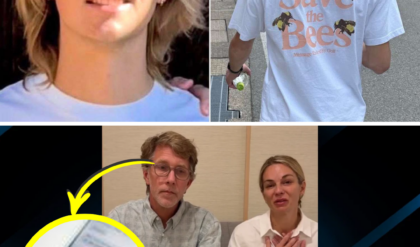
The tragic and untimely loss of twenty-year-old Auburn University junior James “Weston” Higginbotham has left a profound void in the hearts of his family, friends, and the wider community of Hoover, Alabama. A passionate student of biosystems engineering with a deep-seated focus on sustainability, Weston was recognized by everyone who knew him as a young man of remarkable character, a dedicated vegan, and a disciplined athlete training for a Half Ironman. He was someone who lived intentionally, rarely going anywhere without his reusable water bottle and fork, fiercely committed to reducing waste and protecting the planet. Yet, it was during a celebratory family vacation to Japan in late May, intended to honor his younger brother Grayton’s high school graduation, that an emotional crisis led to a devastating series of events in the mountains outside Kyoto.

In the months preceding the journey, Weston had carried a quiet but escalating weight of existential anxiety. His deep commitment to the environment caused him to look at the world’s rapid technological trajectory with severe distress. Relatives noted that he was profoundly troubled by the massive global expansion of artificial intelligence, viewing it as an unsustainable drain on the planet’s finite natural resources due to the staggering amounts of water and electricity consumed by invisible data centers. This internal battle reached a heartbreaking tipping point during the family trip, culminating in an argument with his mother regarding her reliance on ChatGPT to navigate their itinerary and locate local restaurants. For a young man who championed the use of traditional paper maps and lived to minimize his digital footprint, the pervasive nature of technology felt inescapable, prompting him to abruptly walk away into the dense, forested mountains of Kyoto’s Yamashina district to seek absolute solitude.
A desperate seventy-two-hour search operation ensued, with more than one hundred Japanese police officers, K-9 units, and rescue helicopters navigating treacherous mountain terrain plagued by heavy mud and a regional storm system. When the official search concluded without a trace, the Higginbotham family continued forward with the invaluable aid of local Japanese volunteers, who ultimately located the student’s remains in a remote, rugged sector of the woods. Local authorities quickly confirmed that no foul play was suspected, leaving his parents, Nancy and Keith, and his brother to face an unimaginable grief. However, as the family began the agonizing process of piecing together his final movements, a bittersweet revelation emerged regarding a small gesture Weston made just before his phone went entirely dark, shedding a different light on his final state of mind.
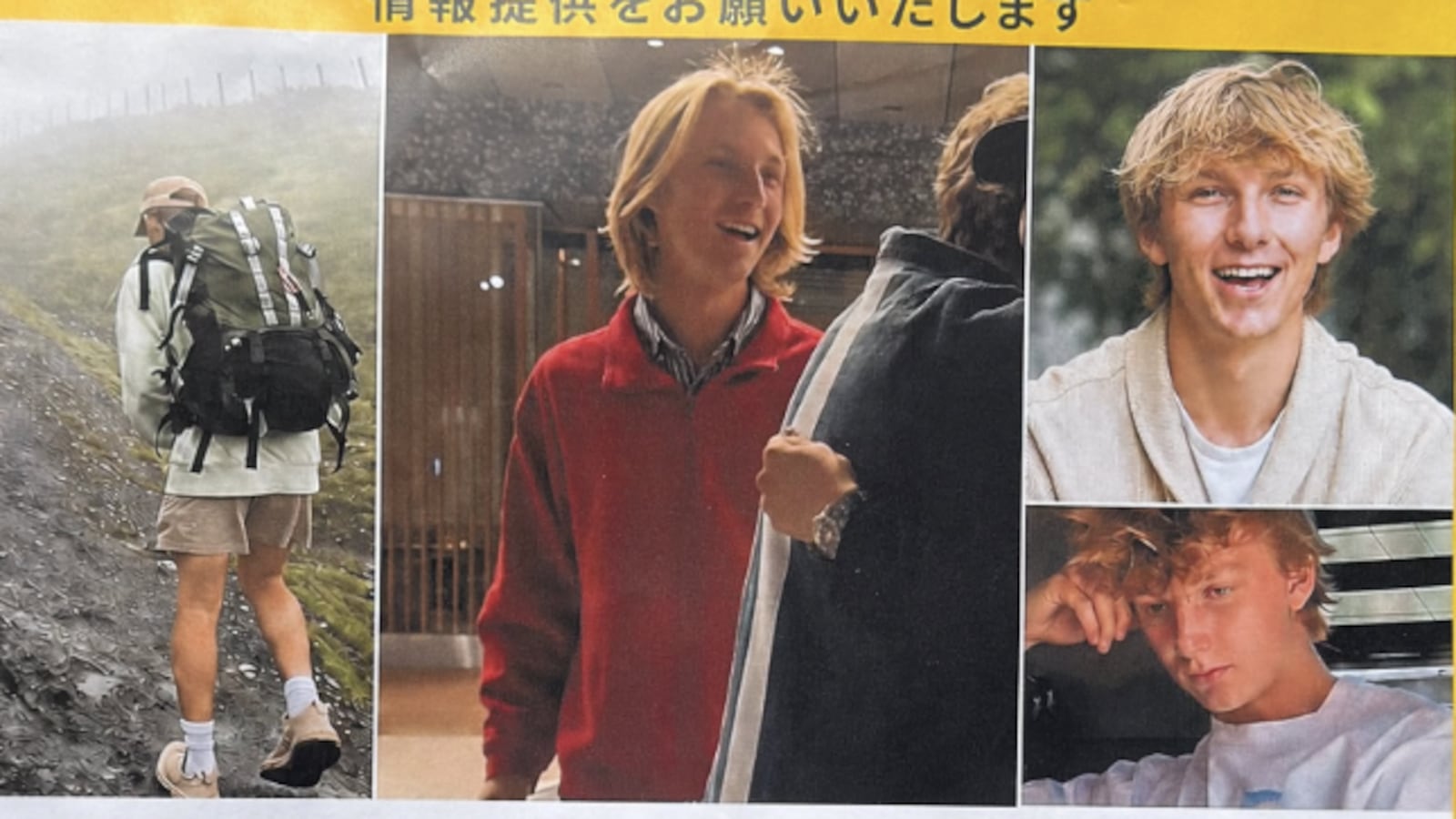
Before cutting off his network connectivity, Weston had used his final moments of communication to leave an unexpected voicemail for his family, a message that they did not fully understand until much later. Initially, the sudden withdrawal and the subsequent silence felt like an absolute surrender to hopelessness and despair. Yet, when the family recovered his final words and examined the personal belongings he had meticulously arranged, they discovered that the boy had intentionally bought a meaningful gift for his loved ones just before venturing into the wilderness. The voicemail, coupled with this final token of affection, transformed their understanding of his final hours, proving to his heartbroken relatives that his retreat was not born out of a rejection of those he loved, but a desperate, final attempt to find peace and preserve his core values.

This poignant detail has provided a fragile but essential source of comfort to his family as they navigate a future without him and establish an endowed scholarship in his name at Auburn University to support future generations of environmental engineers. To honor Weston’s memory, his loved ones now urge the public to reduce the noise in their daily lives, eat a vegan meal, and take a quiet walk in a state park. Though the weight of his absence remains heavy, the final gift and voicemail he left behind serve as an enduring reminder that even in his deepest moments of emotional distress, Weston’s heart remained profoundly anchored to love, kindness, and the authentic beauty of the natural world.
News
He said life was too short… — James “Weston” Higginbotham’s mother has shared details of his final days before his disappearance in Japan. However, what troubles them most is a handwritten letter he is believed to have left behind — a letter they now read in a completely different way
The tragic loss of twenty-year-old Auburn University sophomore James “Weston” Higginbotham has deeply impacted communities from Birmingham, Alabama, to the historic ward of Yamashina in Kyoto, Japan. Known for his charismatic smile, independent spirit, and a fierce commitment to environmental…
He thought his future was slipping away… — Family members are revealing new details about Auburn student James “Weston” Higginbotham before his disappearance. But a small object believed to have been found in his hiking backpack is now keeping relatives searching for answers — and finding it hard to let go
The quiet determination of twenty-year-old James “Weston” Higginbotham was a defining trait that those closest to him had always admired. As a sustainable engineering sophomore at Auburn University, Weston did not just study environmental preservation; he lived it with a…
HE BELIEVED THERE WAS NO WAY BACK… — Loved ones have shared new insight into James “Weston” Higginbotham’s state of mind before he vanished in Japan. Yet they say a 4-word message he reportedly left behind has become impossible to forget — especially after what happened next.
James “Weston” Higginbotham was a young man who possessed a mind of extraordinary depth, a soul tethered closely to the rhythms of the natural world, and a heart that felt the weight of global crises far more intensely than most…

🙏 FATHER BREAKS DOWN IN TEARS AFTER EMOTIONAL ICU UPDATE
Inside the sterile, quiet corridors of the pediatric intensive care unit, where the heavy silence is usually broken only by the rhythmic bleeping of medical monitors, a moment of pure, unadulterated joy has completely transformed an atmosphere of deep despair….
📓 FAMILY REVEALS THE ONE ITEM WESTON LEFT BEHIND… As the search entered its second day, relatives of James “Weston” Higginbotham said investigators asked about a notebook still sitting in his hotel room — even though those closest to him insist he normally carried it everywhere. 👇
The investigation into the tragic passing of Auburn University student James “Weston” Higginbotham in the historic city of Kyoto, Japan, has revealed a deeply layered and profoundly heartbreaking narrative that transcends the boundaries of a standard missing persons case. What…
“He never took those headphones off…” — A close friend of James “Weston” Higginbotham says investigators recently asked about the white wireless earbuds he always carried after a witness reportedly spotted one near the bridge… and then everything changed. 👇
The investigation into the tragic passing of Auburn University student James “Weston” Higginbotham in Kyoto, Japan, has entered a critical new phase as authorities focus on recovering his final physical movements through specific personal items. In recent days, Kyoto Prefectural…
End of content
No more pages to load