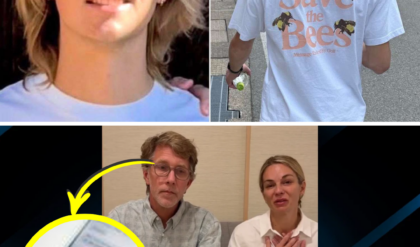
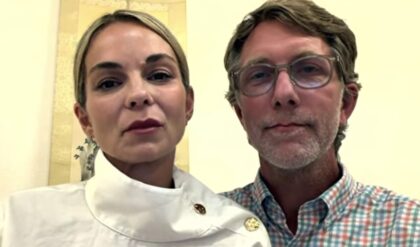
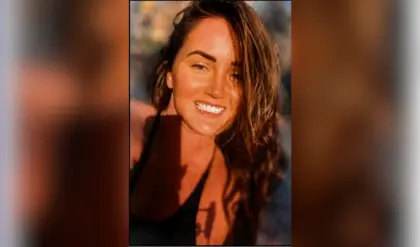
James “Weston” Higginbotham stepped into the vibrant streets of Kyoto with the optimism of a young man charting his course through life. At just 20 years old, the Auburn University biosystems engineering student had already accomplished much—competing on university teams, leading environmental projects, and planning international service work in Bolivia. His family trip to Japan was meant to be a celebration, a pause before the next chapter. Yet what unfolded on May 29, 2026, transformed a routine evening of exploration into an international tragedy that continues to raise difficult questions about mental health, family dynamics, emotional resilience, and the hidden struggles young people may face even as they project strength to the world.

Weston vanished after parting ways with his parents and younger brother following what has been described as a minor disagreement. His mother, Nancy Higginbotham, later shared that he may have been emotionally distressed. He boarded a train, got off at Yamashina station, and was last seen on CCTV heading toward hiking trails in the Higashiyama mountain range. His phone location dropped off, and contact ceased. What began as concern for a missing hiker ended days later with the discovery of his body by volunteer search-and-rescue teams in a mountainous area outside Kyoto on June 6. Japanese authorities have stated that no foul play is suspected, and the precise cause of death has not been publicly disclosed, a decision that has fueled ongoing speculation and heartbreak.
In the days following the tragedy, as tributes poured in from Auburn University, friends, and the broader community, whispers and online discussions turned toward the possibility of deeper underlying issues. Some close to the family have suggested that Weston had spoken of overcoming significant personal pain, claiming by his early twenties that he had moved past struggles with mental health. He reportedly presented himself as resilient, focused on his passions for nature, engineering, and sustainability. Yet, according to accounts circulating in private conversations and echoed in broader commentary, medical perspectives or professional evaluations may have painted a more complex picture, highlighting the often invisible gap between self-perception and clinical reality in young adults grappling with internal challenges.
Public statements from the family have consistently emphasized Weston’s positive qualities and pushed back against rumors. During the search, Nancy Higginbotham urged kindness and dispelled speculation about partying, drugs, or severe mental health crises, insisting he was simply seeking space in nature—his “happy place”—after a family disagreement over something as mundane as using ChatGPT for navigation, which clashed with his environmental values. Friends described him as an experienced outdoorsman who frequently took solo hikes to decompress. A family friend told media outlets that she did not believe he intended to harm himself, attributing the events to bad timing and circumstances rather than deliberate action.
Nevertheless, the narrative of overcoming pain resonates with many who knew him or followed the story. Born on January 9, 2006, in Birmingham, Alabama, Weston grew up charismatic and adventurous. He excelled academically and athletically, participating in climbing, triathlon training, mountain biking, and skiing. His commitment to veganism, waste reduction, and ecological engineering reflected a deep drive to contribute positively to the world. Involvement in Engineers Without Borders and plans for a water distribution project in Bolivia underscored a future-oriented mindset. Those who knew him recall a young man who encouraged others to express love openly, spend time in nature, and live authentically.

Yet the claim that he had “overcome” mental illness by age 21—or around that time—introduces a layer of poignancy. At 20, he was still navigating the transition to full adulthood. College life, family expectations, global travel, and the weight of environmental concerns can exacerbate underlying vulnerabilities. Reports indicate his mother initially expressed worries about self-harm or emotional distress when he went missing, later shifting emphasis to his hiking habits. This evolution in public messaging has led some observers to wonder about the private realities the family may have been protecting. In many such cases, individuals project recovery and strength while internal battles continue, a common phenomenon in mental health journeys where stigma and self-reliance play significant roles.
Mental health experts often note that young adults in their late teens and early twenties are particularly susceptible to crises. The pressures of university, identity formation, and existential concerns—such as climate anxiety, which aligned with Weston’s field of study—can intersect with undiagnosed or managed conditions. While no official diagnosis has been confirmed publicly, the discrepancy between personal claims of overcoming pain and potential differing professional assessments mirrors broader societal patterns. Many young people minimize struggles to maintain momentum toward goals, only for acute stressors, like a family argument during vacation, to surface unresolved issues.
The search efforts themselves highlighted the urgency. Police, K-9 units, helicopters, and hundreds of volunteers combed steep, wooded terrain amid challenging conditions, including approaching weather systems. Weston’s experience as a hiker initially offered hope, but the rapid loss of communication and choice of remote trails raised alarms. His body was found in an area accessible via paths from Yamashina, suggesting he ventured deeper into the mountains seeking solitude. The absence of a public autopsy or cause of death has left room for interpretation, with some speculating accident, environmental factors, or a mental health-related incident, though authorities maintain no foul play.
Family members and friends have channeled grief into legacy-building. The James “Weston” Higginbotham Endowed Scholarship at Auburn University for ecological engineering aims to support students passionate about sustainability, ensuring his values endure. Funeral services on June 17, 2026, at Asbury United Methodist Church in Birmingham brought together mourners who celebrated his life rather than dwelling solely on its end. Obituaries and tributes portray him as someone always ready to help others, lighting up rooms with his smile.
This story touches on universal themes: the human tendency to present a curated version of resilience, the challenges of recognizing when someone needs more support despite outward success, and the heartbreak when plans for the future are abruptly halted. Weston had mapped out post-graduation adventures and meaningful work. The Bolivia project, in particular, represented the culmination of his engineering passion and desire to make a difference. Knowing those plans will go unfulfilled adds to the family’s sorrow, as does the uncertainty surrounding his final hours.
Broader conversations have emerged from the tragedy. Travel safety for young people abroad, the importance of mental health check-ins during stressful periods, and the role of nature as both solace and potential risk. Experts emphasize that even experienced adventurers can underestimate conditions in unfamiliar terrain. Additionally, the case underscores the need for open dialogue about mental health without stigma. Families often face impossible choices in sharing details—protecting privacy while honoring truth and potentially helping others.
Weston’s life, though cut short, exemplified many admirable traits. His dedication to environmental causes, athletic pursuits, and community involvement left an imprint. Friends recall his worst fears being realized in a sense—not necessarily through deliberate action but through the convergence of circumstances and possible unseen pain. The claim of having overcome mental illness, contrasted with differing medical views, highlights how recovery is rarely linear. It can involve periods of apparent triumph followed by setbacks, especially under the pressures of independence and high expectations.
In reflecting on such cases, society must balance respect for the family’s privacy with a commitment to prevention. Organizations focused on youth mental health advocate for better resources on campuses, during travel, and within families. Signs of emotional distress, even after an argument, warrant gentle follow-up rather than space alone in potentially hazardous environments. Weston’s story serves as a somber reminder that charisma, achievements, and stated resilience do not always equate to invulnerability.

The Higginbotham family has demonstrated strength amid devastation. Returning from Japan, they faced not only loss but the weight of public scrutiny and speculation. Their decision to establish a scholarship transforms personal tragedy into communal good, supporting future engineers who might follow in Weston’s footsteps. Nancy Higginbotham’s public updates during the search revealed a mother’s intuition and unwavering hope, evolving into profound grief tempered by gratitude for the time shared.
Ultimately, James “Weston” Higginbotham never thought his trip to Japan would define his legacy in this way. He pursued life with vigor, planning beyond the present moment. The narrative of overcoming pain, juxtaposed against unresolved questions from doctors or reality, invites compassion and reflection. It challenges us to look closer at those who seem to have it all together, to foster environments where vulnerability is strength, and to prioritize mental wellness alongside physical adventures.
As communities mourn, Weston’s impact persists through memories, the scholarship, and heightened awareness. His story is one of a bright young life interrupted, prompting important discussions on the silent battles many fight. In honoring him, perhaps the greatest tribute is committing to the openness and support that might prevent similar heartbreaks—recognizing that claiming victory over pain does not always mean the battle is fully won, and that seeking help remains a courageous step at any age.
News
He never thought this would be his last trip… Family members of James “Weston” Higginbotham say the 20-year-old had planned his life after leaving Japan, but one detail of those plans is now causing them heartbreak
James “Weston” Higginbotham stepped off the train in Kyoto with the easy confidence of a young man who had already charted his path through the world. At twenty years old, the Auburn University engineering student was midway through a family…

SIX ARRESTED, BUT WHAT THEY DID AFTERWARDS IS WHAT CAUSED OUTRAGE 🚨 Following the death of Maria Eduarda Rodrigues de Freitas, Brazilian police launched an urgent manhunt. Part of the investigation is now focusing on safety regulations and what is believed to have happened immediately after the tragedy began 😳👇
Following the death of Maria Eduarda Rodrigues de Freitas, Brazilian police launched an urgent manhunt. Part of the investigation is now focusing on safety regulations and what is believed to have happened immediately after the tragedy began. The tragic death…
Oh, I forgot! 😳 The video captures the moment Maria Eduarda was led to the edge of the bridge by two staff members before being pushed off during the bungee jump. Just seconds later, witnesses realized the horrifying truth, as the two staff members said just four seconds after the incident occurred 💔👇
Just minutes after posting that playful status update, 21-year-old physical education teacher Maria Eduarda Rodrigues de Freitas was pushed off a nearly 40-meter-high bridge in Brazil. What outraged the public were the screams that rang out just before she fell….
“Who’s the crazy person who let me jump off this bridge to my death???” 💔 Just minutes after posting that playful status update, 21-year-old physical education teacher Maria Eduarda Rodrigues de Freitas was pushed off a nearly 40-meter-high bridge in Brazil. What outraged the public were the screams that rang out just before she fell
FALL TRAGEDY Horror moment woman, 21, is thrown to death after staff forget to attach rope to her at bridge swing THIS is the horrific moment a woman tragically plunged to her death after being thrown from a bridge swing…

“There were 11 missed calls.” Relatives repeatedly tried to contact Elena after she didn’t return home. But what puzzled investigators even more was a phone charger still plugged into the wall next to an open notebook on page 39, along with a three-word handwritten note
Relatives repeatedly tried to contact Elena after she didn’t return home. But what puzzled investigators even more was a phone charger still plugged into the wall next to an open notebook on page 39, along with a three-word handwritten note….
“THE FINAL CLUES ARE IN THE PALM OF OUR HANDS.” Many areas had been searched for days, but Elena’s whereabouts remained a mystery. What caught everyone’s attention most was a hotel key card bearing the room number 214.
Many areas had been searched for days, but Elena’s whereabouts remained a mystery. What caught everyone’s attention most was a hotel key card bearing the room number 214. Elena Katherine Moore vanished on a seemingly ordinary Thursday afternoon in Lexington,…
End of content
No more pages to load