The devastating aftermath of losing James “Weston” Higginbotham continues to unravel in quiet, painful fragments for those who shared his daily life at Auburn University. For the first time, a close friend has stepped forward to share a deeper layer of Weston’s reality, shedding light on a private health condition that he managed alongside the immense pressures of his academic pursuit. This revelation adds a profound, poignant context to the timeline of his final months, transforming what once seemed like standard college stress into a complex, courageous battle against both physical and emotional exhaustion.

According to his close friend, Weston had been quietly dealing with a chronic health condition—one that required careful management but which he went to great lengths to hide from the broader campus community. For a young man who took immense pride in his self-reliance and academic capability, the diagnosis was a heavy blow. It introduced an unpredictable variable into his meticulously organized life, sparking deep-seated anxieties about his vulnerability, his long-term stamina, and his ability to maintain the high standards he had set for his future.
“That should have been the next chapter of his life,” the friend reflects, looking back on the vivid discussions they used to have about what lay beyond their university years. The phrase carries a bitter weight now. Those late-night conversations about career paths, postgraduate milestones, and personal independence feel entirely irretrievable, pulled out of reach by a tragedy that came too soon. In retrospect, his friends realize that Weston’s intense focus on the future was not just ambition; it was a defiant effort to assert control over a body and a mind that felt increasingly overwhelmed.
The ultimate heartbreak, however, was discovered tucked away inside a desk drawer in his room: a single, neatly folded piece of paper. Written in Weston’s familiar, precise handwriting, the note contained a list of exactly five specific ideas and goals he wished to accomplish in the coming year. The list was a mix of practical ambitions and simple, human desires—steps to improve his health, academic benchmarks, and personal milestones meant to anchor him to the world.
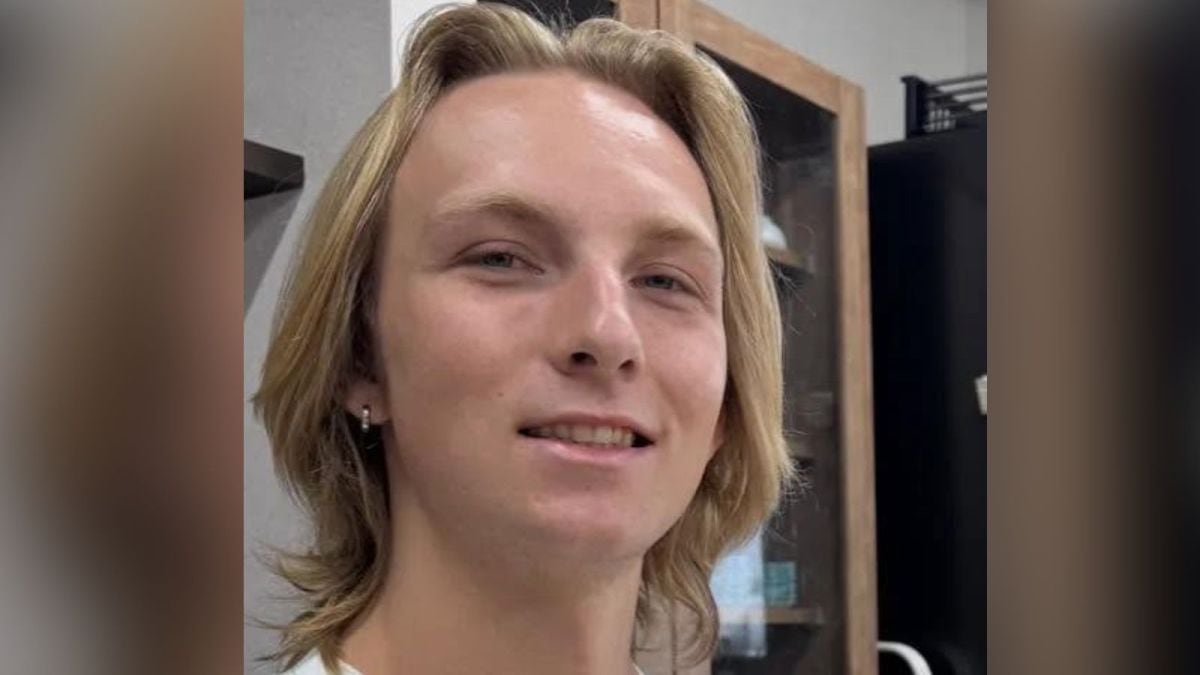
Seeing those five goals written down serves as a devastating testament to his desire to keep fighting. A folded piece of paper with plans for the year ahead is a physical manifestation of hope. It proves that even in his darkest moments, when his health condition amplified his anxieties to a suffocating degree, Weston was actively trying to engineer a way forward. He was sketching out a blueprint for a survival that he desperately wanted to achieve.
For the inner circle surviving him, the discovery of this list deepens the profound sense of grief and lingering questions. It illustrates the silent, parallel lives that high-functioning individuals often lead. On the outside, Weston was the brilliant student pointing toward a future vacation or laughing at the dinner table; on the inside, he was a young man privately managing a medical burden, mapping out five distinct lifelines on a scrap of paper, hoping they would be enough to carry him through the storm.
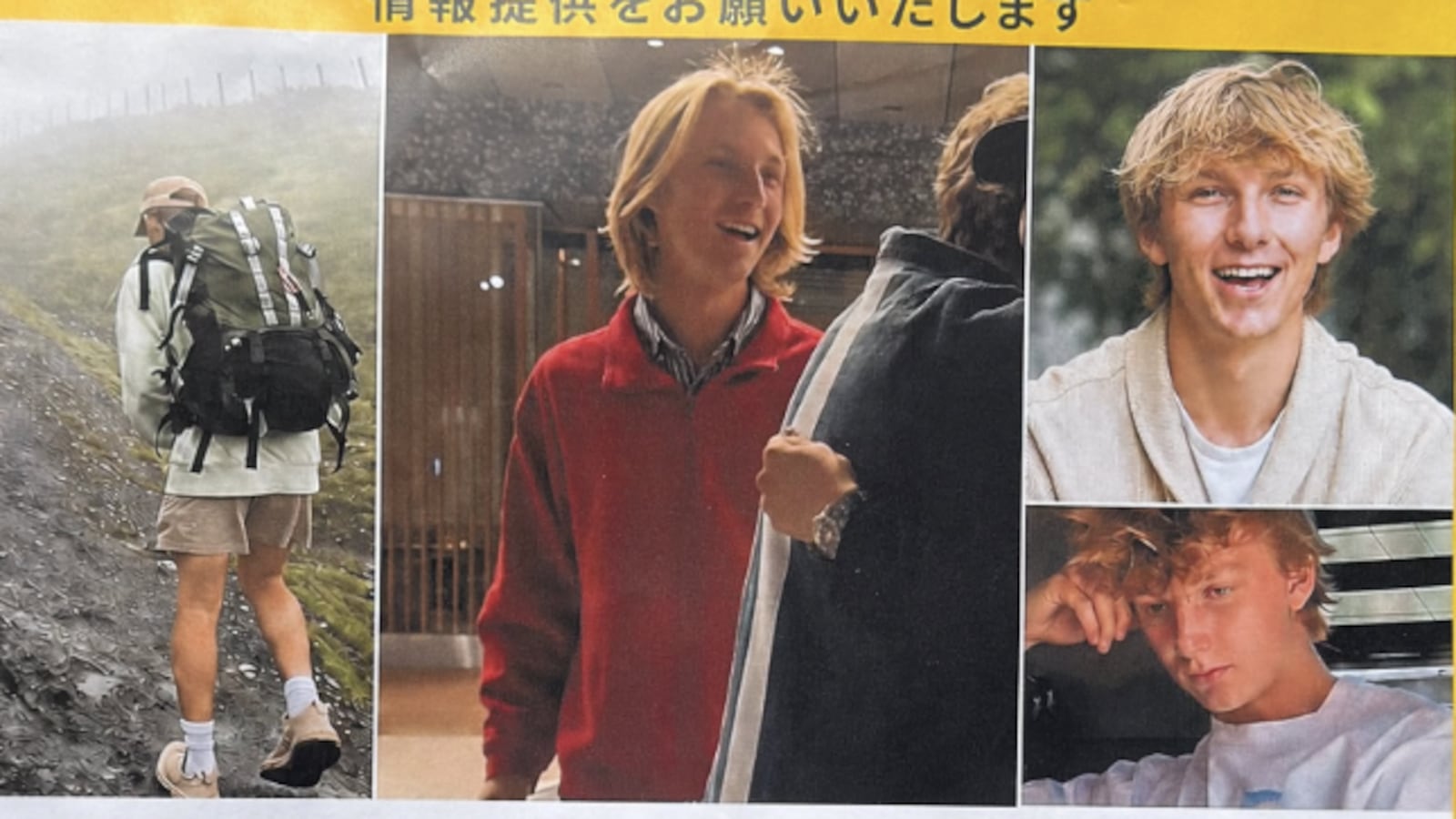
By sharing this final, intimate detail, Weston’s friend hopes to broaden the conversation around youth mental health and chronic illness. The intersection of physical health struggles and severe anxiety is a fragile space, particularly for young adults who feel an immense pressure to appear invincible to their peers. Weston’s story stands as a powerful, heartbreaking reminder that behind the most resilient smiles, a hidden battle for the next chapter of life may be unfolding in total silence.
News
HE THOUGHT THINGS WOULD GET BETTER…: People close to James “Weston” Higginbotham say he seemed focused on moving forward, but one memory stands out above the rest — a 9-second video of him smiling while pointing at a place he hoped to visit next
The tragic narrative surrounding the passing of James “Weston” Higginbotham at Auburn University continues to reveal layers of heartbreaking contrast between his internal struggle and the hopeful outward signs he shared with those around him. For the friends and family…
NOW THEY’RE BEING THREATENED 😳 Austin Metcalf’s family says they are facing threats in the aftermath of the case that captured national attention 👀 👇 But it’s one message reportedly sent to the family that has people genuinely stunned
As convicted killer Karmelo Anthony’s family faces questions over hundreds of thousands of dollars raised through online fundraisers, the father of slain Texas teenager Austin Metcalf says his family is still dealing with death threats, harassment and the emotional fallout of the…
“YOU REALLY POSTED THAT?” 😳 A Texas parole supervisor has reportedly lost her job after comments about Karmelo Anthony and Austin Metcalf’s family spread across social media 👀 👇 But it’s the 11 words in the post that people are still screenshotting and sharing tonight
The swift termination of Texas Department of Criminal Justice (TDCJ) parole supervisor Donna Murray Robinson marks a critical turning point in the ongoing dialogue surrounding public service ethics, social media accountability, and the preservation of institutional integrity within the American…

WE NEVER THOUGHT THOSE WORDS MEAN SO MUCH…A close friend of James “Weston” Higginbotham said they keep remembering a conversation about the future, but what hurt them most was the reminder on a calendar set 143 days in advance that he had circled
The shared memories of college life are typically filled with late-night study sessions, spontaneous road trips, and the casual, optimistic planning of an indefinite future. For the close friends of James “Weston” Higginbotham at Auburn University, those memories are now…
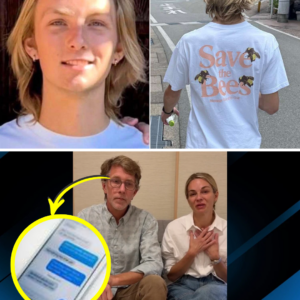
🚨 HE THINKED THERE WAS STILL TIME TO FIX EVERYTHING… Family members of James “Weston” Higginbotham say the young Auburn student carried anxieties that few truly understood, but what haunts them to this day is the unspoken message at the dinner table that everyone ignored
The dining room of the Higginbotham home was always a place of warmth, filled with the rich, comforting aromas of Southern cooking and the familiar, easy rhythm of family chatter. But on a crisp autumn evening that now feels frozen…
🚨 HE THOUGHT HE HAD MORE TIME… Family members say James “Weston” Higginbotham had plans to start a business right out of college, but there was one thing he was wondering about, and now everyone’s paying attention to it. And that could be the MOTIVATION
James “Weston” Higginbotham carried the quiet confidence of someone who believed the future stretched out generously before him. At twenty years old, the Auburn University biosystems engineering student had already filled his days with purpose, from rigorous athletic training to…
End of content
No more pages to load