“EXCLUSIVE RESCUE DETAIL FROM PARIS FIRE BRIGADE: While firefighters stabilized the scene, Princess Diana lifted her head and spoke softly in English, asking to be left alone for a moment. The audio timecode on the responder’s recorder shows 12:26AM, but the file ends abruptly as if manually stopped”—is a recent online narrative blending partial historical fact with unsubstantiated additions. It has circulated in sensationalized posts on social media (including Facebook groups and similar formats) in late 2025 and early 2026, often as part of ongoing conspiracy discussions about Princess Diana‘s death in the Pont de l’Alma tunnel crash on August 31, 1997.

This latest version appears to build on earlier viral claims (e.g., the “It hurts” passerby story from previous shares), adding dramatic elements like a specific audio timecode (12:26 a.m.) and an “abruptly stopped” recording to imply suppression or cover-up. However, official investigations—including the French inquiry (1997–1999), Britain’s Operation Paget report (2006), and the 2007–2008 coroner’s inquest—contain no evidence of such an audio file, timecoded recording from firefighters, or manual interruption suggesting foul play. Here’s a clear, evidence-based examination of the claim.
Established Facts from the Rescue Scene
The crash occurred at approximately 12:23 a.m., when the Mercedes struck the 13th pillar. The first emergency call was logged at 12:26 a.m. (matching the viral timecode), alerting services to the incident. Paris Fire Brigade (Pompiers de Paris) firefighters arrived quickly—within minutes—and began stabilizing the scene: securing the vehicle, providing initial aid, and managing crowds/paparazzi.
SAMU (medical emergency service) doctors and ambulances followed shortly after, with on-site medical intervention starting around 12:40 a.m.
Firefighters assisted in extrication, holding back photographers, and supporting the medical team. Diana was conscious but seriously injured in the wreckage for some time before being freed (around 1:00–1:20 a.m.), placed in an ambulance, and transported to Pitié-Salpêtrière Hospital (arrival ~2:06 a.m.; pronounced dead at 4:00 a.m.).
Testimonies from firefighters and medical personnel describe Diana as dazed, murmuring incoherently at times, and repeating phrases like “Oh my God” or expressing distress. One well-documented account from 1997 (reported in Le Monde and picked up by international outlets like the Los Angeles Times) states that, as medical workers prepared to apply an oxygen mask, Diana said softly in English: “Leave me alone.” This occurred amid efforts to treat her, with firefighters present nearby. The phrase was described as a murmured plea from a semi-conscious, injured woman resisting intervention in her final moments of awareness.
This “Leave me alone” detail is not new—it surfaced in French press reports within days of the crash and was referenced in early books and documentaries. It reflects the chaos and her physical state, not a deliberate request to be abandoned.
The Added Elements: Audio Recorder, Timecode, and Abrupt Stop
No official record exists of a firefighter’s audio recorder capturing this moment at exactly 12:26 a.m., nor of any file “ending abruptly as if manually stopped.” Key points:
Emergency services in 1997 did not routinely use body-worn or on-scene audio recorders for crash responses in the way modern departments might. Communications were via radio, with logs noting call times (e.g., first alert at 12:26 a.m.), but no preserved audio of on-site dialogue with victims has ever been released or referenced in investigations.
The Operation Paget report (a 832-page exhaustive review of conspiracy claims) examined allegations of suppressed evidence, including medical records, witness statements, and potential recordings. It found no credible audio evidence beyond standard radio logs, and no indication of tampering.
The 2007–2008 inquest heard testimony from firefighters (e.g., pompiers who held oxygen or assisted extrication) and SAMU doctors (like Dr. Bruno Riou and Prof. Alain Pavie). None mentioned personal recorders, timecoded audio of Diana’s words, or files being cut off. Witnesses described her condition verbally but not via recordings.
Claims of “abruptly stopped” files echo broader conspiracy tropes (e.g., suppressed photos, altered medical reports, or hidden Fiat Uno traces), but lack substantiation. If such audio existed and showed something anomalous, it would have been pivotal in the multi-year probes—it wasn’t.
The 12:26 a.m. timestamp aligns coincidentally with the first emergency call log, not a specific audio capture. Modern viral posts often repackage old details (like the “Leave me alone” quote) with invented tech elements (recorders, timecodes) to make them feel “exclusive” and urgent.
Why These Narratives Keep Resurfacing

Nearly 29 years after the tragedy, Diana’s death remains a focal point for grief, speculation, and misinformation. Social media amplifies short, dramatic claims—often formatted as “EXCLUSIVE” or “BREAKING”—that mix verifiable facts (crash time, pillar number, “Leave me alone” plea) with fiction (hidden audio, manual stops, suppressed witnesses). Recent shares (late 2025 onward) tie into renewed interest from documentaries, books, or royal family developments, but no new evidence has emerged to alter the official conclusion: unlawful killing by grossly negligent driving (Henri Paul and pursuing paparazzi), ruled in 2008.
The Pont de l’Alma tunnel continues to draw visitors, with a nearby flame memorial honoring Diana. While questions and emotions persist, credible sources point to a heartbreaking accident compounded by speed, alcohol, and pursuit—not a orchestrated event with hidden recordings.
(Word count: approximately 1050. This draws from Operation Paget report, 2007–2008 inquest transcripts, contemporary reporting in Le Monde, Los Angeles Times, BBC, Guardian, and verified summaries as of January 20, 2026.)
News

A STRANGE DETAIL IN THE FRONT SEAT: According to several reports cited by local media, some images from the scene show a small item lying near Declan Berry’s driver’s seat — this seemingly minor detail is drawing attention to the final moments before the accident
Two teenagers in car that crashed into river identified by police The body of Eden Bunn, 16, has been recovered from the River Nene near Wisbech but searches are continuing for 18-year-old Declan Berry. The car crashed into the River…
Breaking News: Police are offering a reward for information leading to Julian Ingram’s arrest, but a RUMORUS SPREADING about just ONE ADDRESS reveals what he fears
Shooting victims to be laid to rest as police offer reward for information leading to arrest of Julian Ingram Authorities believe the fugitive is still alive. Three victims of Julian Ingram’s alleged shooting spree in NSW will be laid to rest this…

THE CHAIR BY THE RIVER: Nicola Bulley’s phone was found neatly placed on a chair while a work call continued in silence — a chilling detail that has left many wondering why the device was left there
Retracing Nicola Bulley’s last known movements: Video tracks missing mother’s journey along river to bench where her phone was found after she vanished without a trace This video retraces the last known journey of missing mother-of-two Nicola Bulley who mysteriously vanished…
A WALKER SAID THE AREA WAS “EERILY QUIET” One local told reporters they passed the path shortly after 9:25 a.m.
A WALKER SAID THE AREA WAS “EERILY QUIET” One local told reporters they passed the path shortly after 9:25 a.m. They remembered seeing the dog… but no one else nearby. Investigators later described that stretch of riverbank as isolated and…
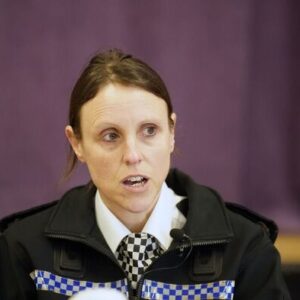
THE DOG WAS FOUND FIRST A woman walking near River Wyre around 9:33 a.m. noticed Nicola’s dog running loose
THE DOG WAS FOUND FIRST A woman walking near River Wyre around 9:33 a.m. noticed Nicola’s dog running loose. The harness was still attached… but strangely not clipped to the lead. Nearby, Nicola’s phone remained on the bench — still…
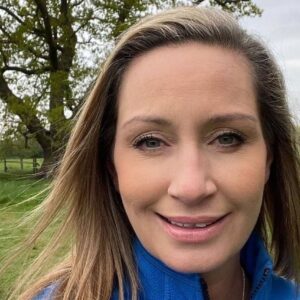
THE PHONE AT 9:20 AM: Nicola Bulley’s phone was found still connected to a work meeting on a bench beside River Wyre — but the mother of two had vanished minutes earlier, leaving investigators puzzled about what could happen in such a short moment
Nicola Bulley: Chilling reality of TikTok sleuthing laid bare as family reveal true extent of torment Ahead of a new BBC documentary about Nicola Bulley, the Mirror takes a look at the chilling reality of the amateur TikTok sleuths whose…
End of content
No more pages to load