The disappearance of Christopher Palmer, the 39-year-old Arkansas outdoorsman whose red Ford F-250 was found abandoned on a remote beach in Cape Hatteras National Seashore, North Carolina, has reached its sorrowful conclusion. On January 24, 2026, the family—led by his father, Bren Palmer—officially requested that all active search efforts cease, citing a recent discovery: Christopher had been privately facing a terminal illness.
This update brought painful clarity to what had been a baffling deviation from his planned solo camping trip. Christopher last contacted family on January 9, 2026, sending a serene video of outdoor scenery to his father, accompanied by a message about spotty service when asked to FaceTime. He had texted that he was heading to Monongahela National Forest in West Virginia after time in Virginia’s George Washington National Forest, yet his truck appeared hundreds of miles away on the Outer Banks coast days later, with his German Shepherd, Zoey, later found safe nearby.
Personal belongings washing ashore along the coastline, combined with the medical revelation—uncovered through records or documents in his vehicle—led the family to conclude he had perished at sea, likely after launching his kayak into the ocean. The family believes this choice stemmed from a desire to preserve his independence and connection to nature, rather than endure treatments that would diminish both.
In the wake of halting searches, Bren Palmer shared more intimate details of their final exchanges, revealing the quiet burden Christopher carried alone. “My son didn’t want anyone to worry,” Bren reflected in statements circulating online and through search support groups. This simple yet devastating sentence—drawn from recollections of their last conversation—has haunted the father nightly. Christopher, ever the self-reliant adventurer who maintained regular check-ins during trips, chose not to disclose his diagnosis, shielding loved ones from the fear and helplessness that often accompany terminal news.
The family’s full statement, disseminated via platforms like Facebook, X, and organizations such as the United Cajun Navy and A Voice For The Voiceless, captured this protective instinct:
“With heavy hearts and profound sorrow, we, the family of Christopher Palmer, have made the difficult decision to request that all active search efforts for our son cease. We recently learned that Christopher was facing a terminal illness. Knowing this has helped us understand the choices he made. Christopher loved the outdoors and valued his independence. The treatments ahead would have taken much of that away, and he did not want that future for himself.”
They added: “Personal belongings of Christopher’s were found along the coastline, and our family believes our son perished in the sea. As heartbreaking as this is, we have found a measure of peace in that understanding. We are deeply proud of the man Christopher was, and we hope his story brings awareness to the emotional and mental burdens people can face during serious medical challenges.”
Bren’s words about not wanting anyone to worry underscore a common yet under-discussed aspect of terminal illness: the instinct to spare family pain. Many in similar situations withdraw, opting for solitude over shared suffering. Christopher’s decision to venture alone into nature—his lifelong sanctuary—aligned with this protective silence. His last video, peaceful and wordless except for background music, offered no overt clues, preserving the facade of routine adventure.
The search itself was remarkable for its scale and goodwill. Volunteers, including the United Cajun Navy with boats, helicopters, and ground teams, braved harsh winter weather, including an ice storm, to comb beaches and waters. First responders and locals joined, driven by compassion for a stranger. When the family asked to stand down, the response was respectful; posts ended with tributes like “Until Valhalla.”
Online communities that followed the case—from missing persons forums to social media threads—expressed collective grief. The father’s haunting reflection on their last talk, where Christopher downplayed concerns to avoid worry, resonates as a poignant reminder of unspoken love and sacrifice. It lingers in the minds of those who read it, evoking empathy for parents left to grapple with what was hidden and what might have been said differently.
Christopher’s story highlights broader issues: the isolation that can accompany serious diagnoses, the stigma around discussing end-of-life wishes, and the need for better mental health resources for the terminally ill. His family hopes it prompts conversations—about openness, support systems, and honoring personal autonomy in facing mortality.
As they seek private closure, the Palmers carry forward pride in their son’s adventurous spirit. Bren’s earlier sentiment—“My son… if there’s a next life, I still hope you’ll choose me as your father”—pairs with this latest revelation to paint a portrait of enduring, unconditional paternal love. In not wanting anyone to worry, Christopher shielded those he loved most, even as his absence now leaves them with endless what-ifs.
The searches may have ended, but the impact of one man’s quiet resolve—and a father’s lingering heartache—continues to echo.
News

A STRANGE DETAIL IN THE FRONT SEAT: According to several reports cited by local media, some images from the scene show a small item lying near Declan Berry’s driver’s seat — this seemingly minor detail is drawing attention to the final moments before the accident
Two teenagers in car that crashed into river identified by police The body of Eden Bunn, 16, has been recovered from the River Nene near Wisbech but searches are continuing for 18-year-old Declan Berry. The car crashed into the River…
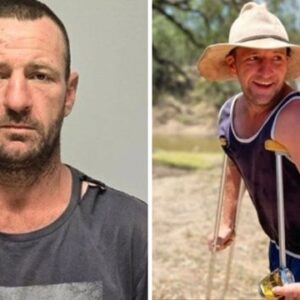
Breaking News: Police are offering a reward for information leading to Julian Ingram’s arrest, but a RUMORUS SPREADING about just ONE ADDRESS reveals what he fears
Shooting victims to be laid to rest as police offer reward for information leading to arrest of Julian Ingram Authorities believe the fugitive is still alive. Three victims of Julian Ingram’s alleged shooting spree in NSW will be laid to rest this…

THE CHAIR BY THE RIVER: Nicola Bulley’s phone was found neatly placed on a chair while a work call continued in silence — a chilling detail that has left many wondering why the device was left there
Retracing Nicola Bulley’s last known movements: Video tracks missing mother’s journey along river to bench where her phone was found after she vanished without a trace This video retraces the last known journey of missing mother-of-two Nicola Bulley who mysteriously vanished…
A WALKER SAID THE AREA WAS “EERILY QUIET” One local told reporters they passed the path shortly after 9:25 a.m.
A WALKER SAID THE AREA WAS “EERILY QUIET” One local told reporters they passed the path shortly after 9:25 a.m. They remembered seeing the dog… but no one else nearby. Investigators later described that stretch of riverbank as isolated and…
THE DOG WAS FOUND FIRST A woman walking near River Wyre around 9:33 a.m. noticed Nicola’s dog running loose
THE DOG WAS FOUND FIRST A woman walking near River Wyre around 9:33 a.m. noticed Nicola’s dog running loose. The harness was still attached… but strangely not clipped to the lead. Nearby, Nicola’s phone remained on the bench — still…
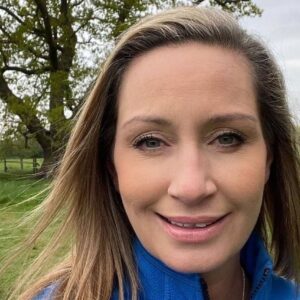
THE PHONE AT 9:20 AM: Nicola Bulley’s phone was found still connected to a work meeting on a bench beside River Wyre — but the mother of two had vanished minutes earlier, leaving investigators puzzled about what could happen in such a short moment
Nicola Bulley: Chilling reality of TikTok sleuthing laid bare as family reveal true extent of torment Ahead of a new BBC documentary about Nicola Bulley, the Mirror takes a look at the chilling reality of the amateur TikTok sleuths whose…
End of content
No more pages to load