“This Should Never Happen at 3,000 Feet” – Air India Flight 171’s Fatal Miscommunication and Systemic Failures
On June 12, 2025, Air India Flight 171, a Boeing 787-8 Dreamliner bound for London Gatwick from Ahmedabad, India, crashed just 32 seconds after takeoff, killing 260 people, including 241 passengers and crew onboard and 19 on the ground. The sole survivor, a British citizen seated next to an emergency exit, walked away from a disaster that has since been described as one of India’s most baffling aviation tragedies. A preliminary report by India’s Aircraft Accident Investigation Bureau (AAIB) revealed a chilling detail: seconds after takeoff, the aircraft’s fuel-control switches were moved to the “cutoff” position, starving the engines of fuel and causing a catastrophic loss of thrust. The cockpit voice recorder captured a haunting exchange—one pilot, believed to be the co-pilot, asked, “Why did you shut it off?” while the other, likely the captain, responded, “I didn’t do it.” This fatal miscommunication, coupled with deeper systemic issues, raises critical questions about aviation safety, crew training, and mechanical reliability.
The Crash: A 32-Second Tragedy
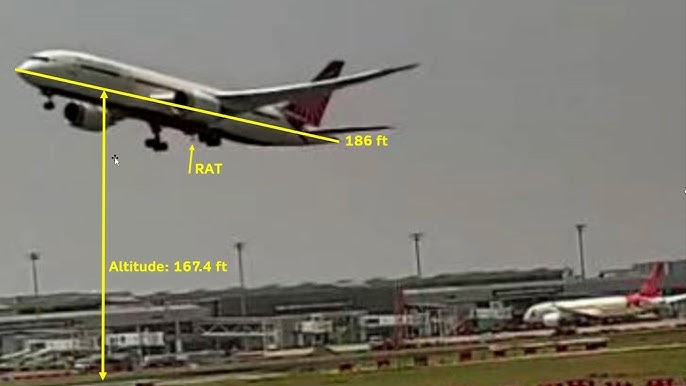
Flight 171 took off from Ahmedabad’s Sardar Vallabhbhai Patel International Airport at 13:38 IST, carrying 230 passengers and 12 crew members. The aircraft, a 12-year-old Boeing 787 Dreamliner, was piloted by Captain Sumeet Sabharwal, a 56-year-old veteran with over 15,600 flight hours, and First Officer Clive Kunder, 32, with 3,400 hours. Kunder was the pilot flying, while Sabharwal monitored. The plane reached a maximum altitude of 650 feet before both fuel-control switches were inexplicably moved to “cutoff,” one second apart, causing both General Electric GEnx-1B70 engines to shut down. Despite the pilots’ attempts to restore power—evidenced by the switches being flipped back to “run” and one engine beginning to relight—the aircraft crashed into a medical college hostel 1.7 kilometers from the runway, erupting into a fireball that reached temperatures of 1,500°C.
CCTV footage showed the ram air turbine (RAT), a backup power source, deploying almost immediately after takeoff, indicating a total loss of engine power. One pilot issued a desperate “Mayday” call, reporting a loss of thrust, but received no response from air traffic control before the crash. The wreckage, scattered across a densely populated area, left investigators with a complex puzzle: what caused the fuel switches to move, and why did this tragedy unfold so rapidly?
The Cockpit Confusion: A Miscommunication or Something More?
The cockpit voice recorder (CVR) has become the focal point of the investigation. The brief exchange—“Why did you shut it off?” followed by “I didn’t do it”—suggests confusion between the pilots. According to some reports, the co-pilot, Kunder, repeatedly questioned the captain, Sabharwal, about why the engines were shut off, while Sabharwal denied responsibility. The AAIB report does not specify who said what, and voice identification remains incomplete, underscoring the need for a full transcript and cockpit video recorders, as recommended by the U.S. National Transportation Safety Board (NTSB).
Speculation has swirled around the pilots’ actions. U.S. sources cited by The Wall Street Journal suggest Sabharwal, as the monitoring pilot, may have moved the switches, as Kunder’s hands were likely occupied with controlling the aircraft during climb-out. However, the Indian Commercial Pilots’ Association (ICPA) and the Federation of Indian Pilots (FIP) have condemned such claims as “reckless” and “premature,” arguing that the preliminary report lacks comprehensive data and relies on paraphrased CVR excerpts. The pilots’ extensive experience—Sabharwal with 8,600 hours on the 787 and Kunder with 1,100—makes an accidental or deliberate error seem unlikely, yet the switches’ design requires deliberate action to bypass a stop-lock mechanism, ruling out an inadvertent bump.
Systemic Issues: Beyond the Cockpit
While the pilots’ actions are under scrutiny, the real blame may lie deeper within the aviation system. Several systemic factors warrant investigation:
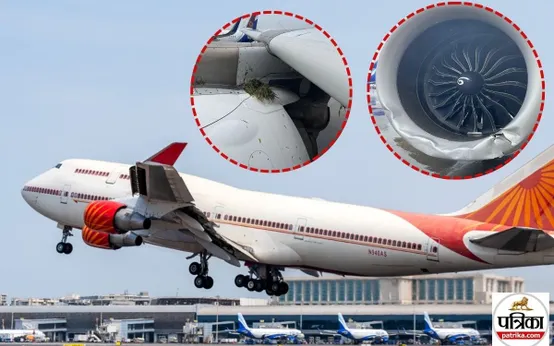
Mechanical Reliability: The AAIB report notes that the aircraft complied with all airworthiness directives, and fuel samples were satisfactory. However, a 2018 FAA Special Airworthiness Information Bulletin (SAIB) highlighted issues with Boeing 737 fuel-control switches installed with disengaged locking features, raising questions about whether a similar issue affected the 787. Former AAIB investigator Capt. Kishore Chinta suggested a possible glitch in the Full Authority Digital Engine Control (FADEC) system, which could trigger an automatic shutdown if it receives false sensor signals. Although Air India’s post-crash inspections of its 787 fleet found no issues with switch-locking mechanisms, the possibility of a mechanical or electronic fault cannot be dismissed.
Crew Training and Cockpit Resource Management (CRM): The CVR exchange points to a potential breakdown in CRM, the protocols designed to ensure clear communication and coordination between pilots. The lack of clarity in the pilots’ dialogue suggests that standard callouts and verification procedures may not have been followed. Indian pilots’ associations have emphasized the need to review training records and simulator performance to assess how Sabharwal and Kunder handled high-stress scenarios like engine failure. The crash’s rapid timeline—32 seconds from takeoff to impact—left little room for recovery, highlighting the need for enhanced training on rapid-response scenarios.
Aviation Safety Culture: Air India, owned by the Tata Group, has been working to modernize its aging fleet and improve safety standards after years of government control. The crash, the first fatal incident involving a 787, has reignited scrutiny of Boeing’s safety record, particularly after issues with the 737 Max. The European Union Aviation Safety Agency’s recent investigation into Air India Express for falsifying maintenance records further raises concerns about systemic oversight.
Regulatory and Investigative Challenges: Tensions between Indian and U.S. investigators, particularly over delays in analyzing black box data, highlight the complexities of international crash probes. The AAIB’s preliminary report, released within 30 days as per ICAO rules, has been criticized for its lack of clarity, fueling speculative media reports. A full report, expected within 12 months, will need to address these gaps to restore public confidence.
The Human Toll and Broader Implications
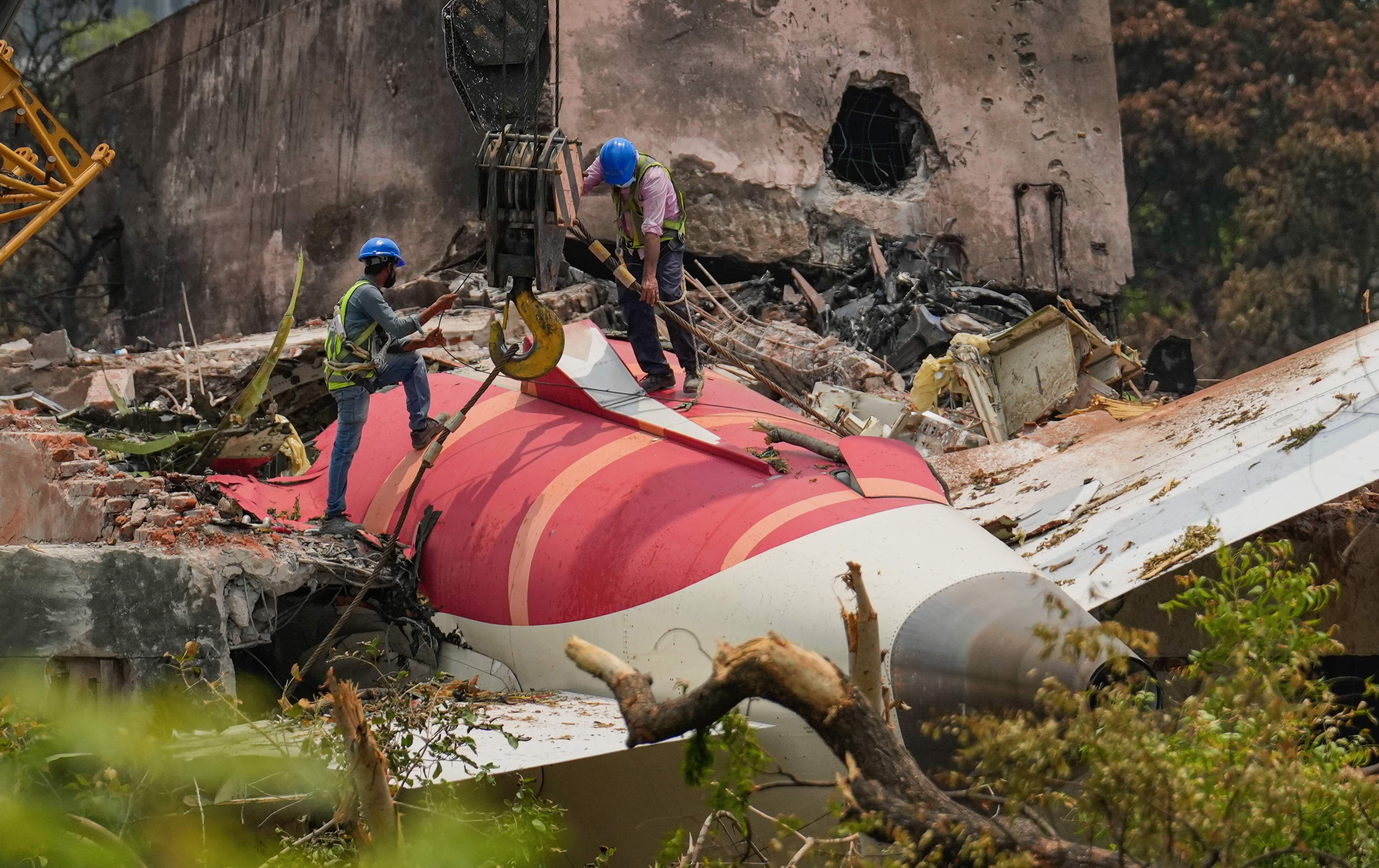
The crash’s aftermath has been devastating. The intense heat complicated DNA identification, with only 35 bodies identified by June 15, 2025. Among the victims were British citizens Javed Ali Syed, his wife Mariam, and their two children, as well as former Gujarat Chief Minister Vijay Rupani. The sole survivor, Vishwash Kumar Ramesh, seated in 11A, escaped with visible injuries, earning the title “luckiest man in the world.” On the ground, 19 people, including medical students, perished in the hostel fire.
The tragedy has sparked calls for systemic reforms. Experts like Peter Goelz, former NTSB managing director, advocate for cockpit video recorders to provide visual evidence of pilot actions. Others, including ALPA India’s Sam Thomas, urge a focus on maintenance history and transparency to counter speculative narratives. The crash also underscores the need for robust safety protocols, from switch design to crew training, to prevent such a disaster from recurring.
Conclusion: A Call for Accountability
The haunting words captured on Flight 171’s CVR—“Why would you shut it off?”—echo a tragedy that should never have happened. While the pilots’ actions remain under investigation, the crash exposes deeper flaws in aviation systems, from mechanical design to crew coordination and regulatory oversight. As families mourn and investigators sift through wreckage, the focus must shift from blame to accountability. Only a transparent, data-driven investigation can uncover the truth and ensure that such a catastrophe never happens again at 3,000 feet—or anywhere else in the skies.
News

A STRANGE DETAIL IN THE FRONT SEAT: According to several reports cited by local media, some images from the scene show a small item lying near Declan Berry’s driver’s seat — this seemingly minor detail is drawing attention to the final moments before the accident
Two teenagers in car that crashed into river identified by police The body of Eden Bunn, 16, has been recovered from the River Nene near Wisbech but searches are continuing for 18-year-old Declan Berry. The car crashed into the River…

Breaking News: Police are offering a reward for information leading to Julian Ingram’s arrest, but a RUMORUS SPREADING about just ONE ADDRESS reveals what he fears
Shooting victims to be laid to rest as police offer reward for information leading to arrest of Julian Ingram Authorities believe the fugitive is still alive. Three victims of Julian Ingram’s alleged shooting spree in NSW will be laid to rest this…

THE CHAIR BY THE RIVER: Nicola Bulley’s phone was found neatly placed on a chair while a work call continued in silence — a chilling detail that has left many wondering why the device was left there
Retracing Nicola Bulley’s last known movements: Video tracks missing mother’s journey along river to bench where her phone was found after she vanished without a trace This video retraces the last known journey of missing mother-of-two Nicola Bulley who mysteriously vanished…
A WALKER SAID THE AREA WAS “EERILY QUIET” One local told reporters they passed the path shortly after 9:25 a.m.
A WALKER SAID THE AREA WAS “EERILY QUIET” One local told reporters they passed the path shortly after 9:25 a.m. They remembered seeing the dog… but no one else nearby. Investigators later described that stretch of riverbank as isolated and…

THE DOG WAS FOUND FIRST A woman walking near River Wyre around 9:33 a.m. noticed Nicola’s dog running loose
THE DOG WAS FOUND FIRST A woman walking near River Wyre around 9:33 a.m. noticed Nicola’s dog running loose. The harness was still attached… but strangely not clipped to the lead. Nearby, Nicola’s phone remained on the bench — still…

THE PHONE AT 9:20 AM: Nicola Bulley’s phone was found still connected to a work meeting on a bench beside River Wyre — but the mother of two had vanished minutes earlier, leaving investigators puzzled about what could happen in such a short moment
Nicola Bulley: Chilling reality of TikTok sleuthing laid bare as family reveal true extent of torment Ahead of a new BBC documentary about Nicola Bulley, the Mirror takes a look at the chilling reality of the amateur TikTok sleuths whose…
End of content
No more pages to load