Gaming Industry in Turmoil: Over 1600 Jobs Slashed in 2025 as Major Studios Like Bandai Namco and Hi-Rez Studios Face Brutal Cuts—Discover Why This Crisis Is Shaking the World of Gaming! 👇
Gaming Industry in Crisis: Over 1600 Layoffs in 2025 Signal a Deepening Storm
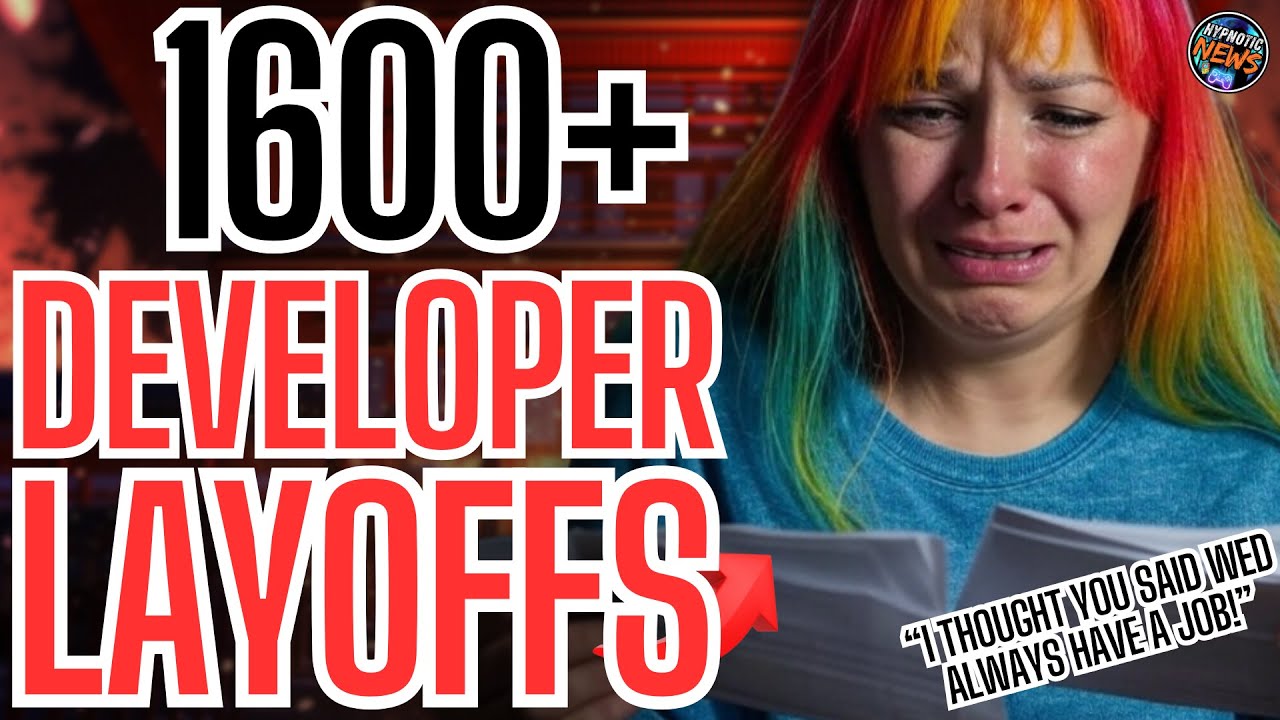
The gaming industry, once heralded as a recession-resistant powerhouse, is grappling with an unprecedented wave of layoffs in 2025, with over 1600 jobs lost in the first few months alone. This alarming trend, highlighted by posts on X and reported by industry insiders, follows a devastating 2023 and 2024, where over 25,000 jobs were cut globally. Major players like Bandai Namco, Hi-Rez Studios, and NetEase have announced significant workforce reductions, while the ripple effects of earlier cuts at Microsoft, Sony, and Unity continue to reverberate. This article delves into the causes of this crisis, its human and industry-wide impacts, and the glimmers of hope emerging from grassroots efforts and unionization movements.
A Perfect Storm: Why the Layoffs Are Happening
The roots of the 2025 layoffs trace back to a combination of economic pressures and strategic missteps that began during the COVID-19 pandemic. The early 2020s saw a gaming boom as lockdowns drove demand for entertainment, prompting companies to overexpand. “A lot of people in leadership perhaps overinvested for that peak and thought that was going to sustain forever,” said Amir Satvat, a key figure in supporting laid-off workers, in an NPR interview. However, as consumer habits shifted post-pandemic, the industry faced declining revenues and rising development costs, exacerbated by high interest rates and a tougher economic climate.
In 2025, specific incidents underscore the ongoing contraction. Bandai Namco laid off nearly 120 developers since spring 2024, while Hi-Rez Studios, known for Smite and Realm Royale, cut 30 developers in early February. NetEase’s plan to divest from overseas studios like Untold Worlds and Jar of Sparks signals a broader retreat from ambitious global expansions. These moves follow massive layoffs in 2024, with Microsoft cutting 2,800 jobs, Unity slashing 1,800, and Sony reducing 1,339 positions, including the closure of London Studio. The data, tracked by platforms like Game Industry Layoffs, paints a grim picture: 2024 saw 14,600 layoffs, a 39% increase from 2023’s 10,500.
Analysts point to several structural issues. The industry’s pivot toward live-service games, which promise ongoing revenue but require significant investment, has led to layoffs in traditional console and PC development. Epic Games, despite Fortnite’s success, cut 16% of its staff in 2023, reflecting the risks of this model. Meanwhile, consolidation efforts by giants like Embracer Group, which cut nearly 8,000 jobs and shuttered over 40 studios after a failed $2 billion deal, have led to redundancies and closures. External factors, such as China’s game licensing freeze and the Russian invasion of Ukraine, have further disrupted operations in those regions, contributing to global instability.
The Human Toll: Stories from the Frontlines
Behind the numbers are personal stories of loss and resilience. A junior developer laid off from Blizzard’s canceled survival game shared on PC Gamer: “I put blood, sweat, and tears into obtaining my first role in the industry, and now I’m back going in circles looking for roles that are junior-level, which are non-existent.” Another developer, quoted anonymously, expressed frustration: “I’m disappointed that the industry that brought me nothing but joy as a child has decided to kick the shit out of me as an adult.” These sentiments reflect a broader crisis of morale, with many developers questioning their future in an industry known for its cyclical hiring and firing.
The layoffs have disproportionately affected North America and Europe, with the United States bearing the brunt, followed by Canada, the UK, and Poland. Over 30 studios, including Monolith Productions, Arkane Austin, and Volition, have shut down entirely since 2023. The closure of smaller studios like Die Gute Fabrik and the cancellation of projects like Blizzard’s Project Odyssey have left teams grappling with the loss of not just jobs but also creative visions. For new graduates, the job market is particularly brutal, with one student telling PC Gamer, “I’m giving up on getting into games after seeing these layoffs.”
The loss of institutional knowledge is another concern. Studios dropping long-tenured employees risk eroding expertise, which could hinder future innovation. As Polygon noted, “There’s also a massive loss of institutional knowledge at each individual studio as companies drop: developers, quality assurance workers, sound designers, and artists.” This brain drain threatens to create a talent crisis, with fewer junior roles available to nurture the next generation of developers.
Industry-Wide Impacts: A Potential “Second Crash”?
Some media outlets have drawn parallels between the current layoffs and the 1983 video game crash, when an oversaturation of low-quality games led to a two-year recession. While a full collapse seems unlikely, the industry is at a crossroads. Microsoft Gaming CEO Phil Spencer has acknowledged the stagnation, stating that the current approach “cannot continue,” while Sony is exploring alternative business models. The lack of blockbuster AAA releases in 2024, with indie studios filling the gap, underscores the impact of canceled projects and delayed timelines.
The shift toward web3 gaming, centered on blockchain and player-owned assets, offers potential for innovation but faces similar challenges. As GAM3S.GG noted, “The resilience and adaptability required in traditional gaming are equally critical in the blockchain gaming space.” However, the financial uncertainties and market shifts driving layoffs in traditional gaming could spill over into this emerging sector, requiring careful strategic planning.
Glimmers of Hope: Community and Unionization
Amid the turmoil, grassroots efforts and unionization are providing lifelines. Amir Satvat, honored with the inaugural Game Changers Award at The Game Awards 2024, has become a beacon of hope. His LinkedIn initiatives, including job opening lists and the Job Seeker’s Workbook, have helped thousands navigate the saturated job market. Cristina Amaya’s Slack server and UK games industry Slack groups offer similar support, fostering community among job seekers.
Unionization is also gaining traction. The successful union election at Sega of America’s Irvine headquarters in 2023, with 91 votes in favor, marks a significant step. Scandals involving abuse, sexism, and overwork have fueled interest in organization, with the Communications Workers of America leading efforts. As one developer told Polygon, “The game industry needs a strong union to keep this from happening again, as those in power have shown time and time again that they will not take responsibility for our livelihoods.”
Looking Ahead: Survive Till ’25?
The industry’s “survive till ’25” mentality, as Polygon described, reflects cautious optimism but also uncertainty. With 58% of developers surveyed by GDC expressing concern about further layoffs in 2025, the road ahead remains challenging. The Game Developers Conference’s 2025 State of the Industry report highlighted additional pressures, from the growing adoption of generative AI—despite its unpopularity among developers—to climate disasters impacting studios.
Yet, the resilience of the gaming community shines through. From indie successes to grassroots support networks, the industry is adapting. As one laid-off developer shared, “Our former team has hanged together to support each other throughout this indescribable time.” While the layoffs signal a crisis, they also underscore the passion and determination of those who make games, hinting at a potential rebirth for an industry in flux.
Conclusion
The 1600+ layoffs in 2025 are a stark reminder of the gaming industry’s fragility in the face of economic and structural challenges. From overexpansion to market shifts, the causes are complex, and the human cost is profound. Yet, through community efforts, unionization, and a pivot toward sustainable models, there’s hope for recovery. As the industry navigates this storm, the stories of resilience and solidarity offer a path forward, ensuring that the games—and the people behind them—endure.