SOMETHING MISSING FROM THE PERMIT IS CAUSING CONTROVERSY 😳 Monica Montefalcone’s group was granted permission to study soft corals, but Maldivian officials say they didn’t know it was a cave diving trip. And now all eyes are on the activity description in the permit application… along with a striking red pen mark
In the crystal-clear waters of Vaavu Atoll in the Maldives, a routine scientific expedition turned into the deadliest diving incident in the island nation’s history. On May 14, 2026, five experienced Italian divers—led by respected marine ecologist Professor Monica Montefalcone—entered a complex underwater cave system at depths exceeding 50 meters. None resurfaced alive. What was intended as research into soft corals has ignited fierce debate over permitting processes, safety protocols, and potential omissions in official documentation. At the heart of the controversy lies a permit application where something critical appears to have been missing—or perhaps obscured—prompting Maldivian officials to question whether they ever approved a high-risk cave diving operation.
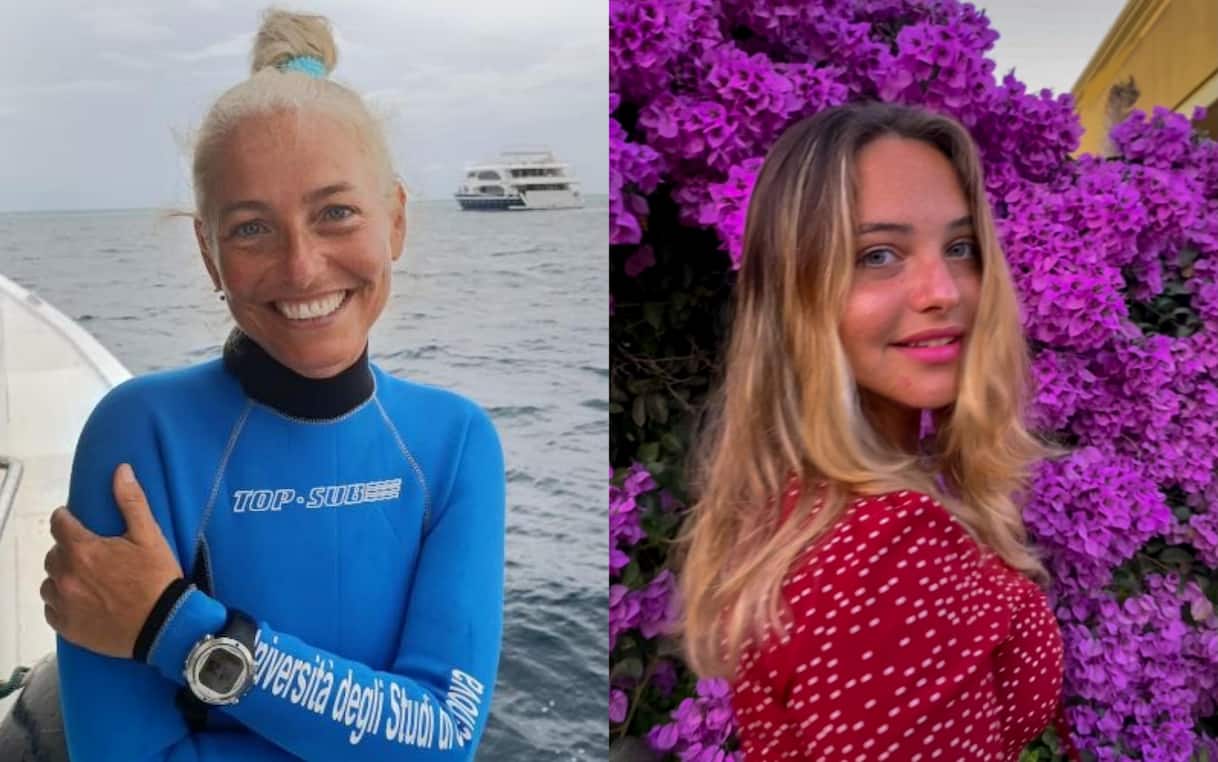
The victims were Monica Montefalcone, 51, an associate professor of ecology and marine biology at the University of Genoa and a leading expert on seagrass and coral ecosystems; her 20- or 22-year-old daughter Giorgia Sommacal; marine biologist Federico Gualtieri, 31; researcher Muriel Oddenino; and local diving instructor and boat operations manager Gianluca Benedetti, 44, who had lived in the Maldives for years. Only Benedetti’s body was recovered on the day of the incident; the others were located days later deep inside the cave system by specialist divers. A Maldivian military diver also perished from decompression sickness during recovery efforts.
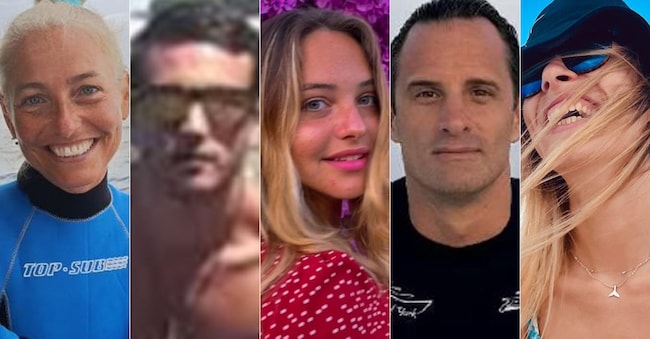
A Renowned Scientist’s Final Dive
Monica Montefalcone was no novice. With thousands of dives under her belt, including extensive work in Maldivian waters, she had built a distinguished career studying marine habitats, climate change impacts on reefs, and seagrass restoration. Her husband, Carlo Sommacal, described her as “one of the best divers in the world,” disciplined and risk-averse, who would never jeopardize her daughter’s life or those of her students and colleagues.
The group was in the Maldives as part of research linked to the University of Genoa, focusing on marine environments and the effects of climate change. They operated from the MV Duke of York. The dive targeted caves in the Devana Kandu (or Dhekunu Kandu/Thinwana Kandu, sometimes called “shark cave”) area near Alimathaa Island. These caves feature dramatic reef walls dropping to significant depths, with chambers accessible only to technical divers. The entrance sits around 47-55 meters, with further sections plunging deeper into darkness where silt, currents, and limited visibility pose extreme hazards.
Recreational diving limits in the Maldives are typically 30 meters. Anything deeper requires technical diving expertise, specialized gas mixes (to mitigate nitrogen narcosis and oxygen toxicity), and often additional permissions. Cave diving adds another layer of complexity: overhead environments, potential silt-outs, restricted navigation, and the need for advanced training and equipment like rebreathers.
The Permit Controversy: Soft Corals vs. Cave Exploration
Maldivian officials, including presidential spokesperson Mohamed Hussain Shareef, confirmed that the group received a permit to research soft corals in the Devana Kandu site. However, Shareef emphasized a key point: “What we didn’t know was that it was cave diving.” He noted that cave diving is a “very different discipline with its own sets of challenges and risks,” especially at those depths.
This discrepancy has fueled intense scrutiny of the permit application process. Reports highlight attention on the “activity description” section. Whispers in local and international media point to a “striking red pen mark”—possibly an edit, annotation, or highlighting that altered or downplayed the planned activities. Critics suggest the application may have emphasized scientific sampling of corals at more standard depths while omitting or minimizing the intent to penetrate deep cave systems. Whether this was an oversight, deliberate vagueness, or administrative error remains under investigation.
The boat’s operating license was suspended because it lacked a specific dive school permit required for expeditions. The operator claimed the vessel was cleared only for recreational depths up to 30 meters and that divers were briefed on limits. An Italian tour operator involved reportedly denied authorizing or knowing about the deep cave penetration.
These revelations raise uncomfortable questions about accountability in scientific diving. Permits for research in sensitive marine areas like the Maldives—a UNESCO biosphere reserve and global diving mecca—are meant to balance scientific advancement with safety and environmental protection. If the application failed to accurately describe the high-risk nature of the dive, it could point to gaps in oversight, language barriers, or assumptions that experienced scientists would self-regulate.
What Went Wrong Underwater?
The exact cause of the fatalities is still under joint investigation by Maldivian and Italian authorities. Possible factors include:
Depth and Gas Management: At 50+ meters on compressed air, oxygen toxicity becomes a real risk. Nitrogen narcosis can impair judgment. Technical divers typically use trimix or other blends.
Cave Environment: The system has multiple interconnected chambers. Light fades quickly; the third chamber is pitch black. Strong currents, silt disturbance, or disorientation could trap divers. Finnish specialists described it as complex and high-risk.
Human Factors: Even experts can encounter unforeseen issues like equipment failure, team separation, or panic. One former instructor suggested an “unexpected incident” rather than routine errors.
Environmental Conditions: Weather hampered rescues, and currents in atolls can be unpredictable.
Montefalcone’s family insists she was meticulous. The tragedy has prompted soul-searching in the diving and scientific communities about when passion for exploration crosses into recklessness.
Broader Implications for Diving Tourism and Research in the Maldives
The Maldives relies heavily on diving tourism, which brings significant revenue while supporting marine conservation. This incident—the worst in the country’s diving history—could impact its reputation as a safe destination for both recreational and technical divers.
It also spotlights challenges in regulating scientific research. Foreign researchers bring expertise and funding, but local authorities must ensure compliance with depth limits, equipment standards, and risk assessments. Calls are growing for clearer guidelines on technical and cave diving within research permits, mandatory local oversight for high-risk activities, and better integration of international standards like those from PADI or DAN (Divers Alert Network).
Environmentalists note that while Montefalcone’s work on corals and seagrasses was vital amid climate threats, the loss underscores human vulnerability in these fragile ecosystems.
Voices from the Aftermath
Husband Carlo Sommacal has demanded answers while defending his wife’s expertise. Italian media reported her last words or messages reflected deep passion for the ocean. The University of Genoa mourned a “leading seagrass scientist.” Maldivian authorities expressed condolences and committed to a thorough probe.
Diving veterans, including those familiar with Devana Kandu, stress that such caves demand respect. One local expert with 30+ penetrations warned of the dangers even for the prepared.
Lessons for the Future
As bodies were recovered and investigations continue, the red pen mark on that permit application symbolizes larger issues: transparency in documentation, the weight of omitted details, and the life-or-death consequences of regulatory gaps. Was cave diving implicitly covered under the coral research permit, or was there a critical omission? Did administrative shorthand or edits create ambiguity?
This tragedy is not just about one group’s fateful decision. It questions how nations balance scientific freedom with safety in extreme environments. For the diving community, it reinforces that experience is no substitute for rigorous planning and adherence to protocols.
Monica Montefalcone and her companions died pursuing knowledge of the underwater world they loved. Their story serves as a poignant reminder of the ocean’s beauty and unforgiving power. As Maldives officials pore over documents and the global community reflects, one thing is clear: something was missing from the permit—and its absence cost six lives (including the rescuer) in the pursuit of discovery.
The full report from authorities will hopefully clarify the sequence of events, permit details, and preventive measures. Until then, the striking red pen mark remains a focal point of controversy, etched in the memory of a dive that went terribly wrong in paradise.