WE DIDN’T KNOW IT WAS CAVE DIVING: That’s the statement drawing attention from the Maldives as the investigation continues. Attention is now focused on the permit, which made no mention of cave diving… but Monica Montefalcone’s last message to her husband changed everything
“We Didn’t Know It Was Cave Diving”: Permit Omissions and a Scientist’s Final Message Fuel Maldives Tragedy Investigation
The crystal waters of Vaavu Atoll in the Maldives hide both breathtaking beauty and mortal danger. On May 14, 2026, a scientific research trip ended in the nation’s deadliest diving disaster. Five Italian divers, including prominent marine ecologist Professor Monica Montefalcone and her young daughter, entered a deep underwater cave system and never resurfaced alive. As recovery operations conclude and investigations intensify, Maldivian officials’ stark admission—”We didn’t know it was cave diving”—has thrust the group’s research permit into the spotlight. Questions swirl around what was (or wasn’t) disclosed in the application, while Montefalcone’s poignant final message to a colleague reveals a lifelong passion that defined her final hours.
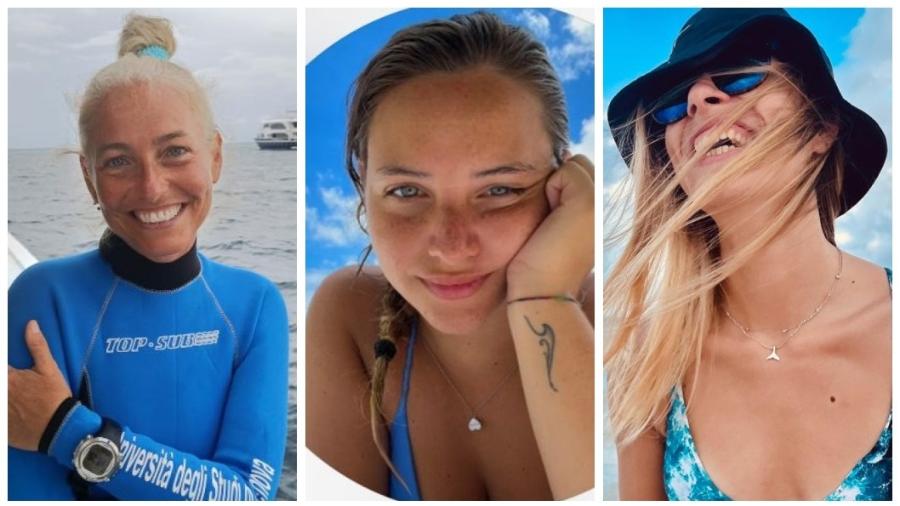
The victims were Monica Montefalcone, 51–52, an associate professor of ecology and marine biology at the University of Genoa; her daughter Giorgia Sommacal (reported as 20–23 years old); marine biologist Federico Gualtieri, 31; researcher Muriel Oddenino; and Gianluca Benedetti, 44, a local diving instructor and boat operations manager who had lived in the Maldives for years. A Maldivian military diver, Sgt-Major Mohamed Mahudhee, also died from decompression sickness during recovery efforts, bringing the total loss to six.
Official Surprise: “We Didn’t Know It Was Cave Diving”
Maldivian presidential spokesperson Mohamed Hussain Shareef publicly stated that the group received a permit to study soft corals in the Devana Kandu (also known as Dhekunu Kandu or Thinwana Kandu, locally called “Shark Cave”) area near Alimathaa Island. However, officials insist they were unaware of plans for cave diving.
“Cave diving is a very different discipline with its own sets of challenges and risks,” Shareef emphasized, particularly at depths exceeding 50 meters. Recreational diving in the Maldives is generally limited to 30 meters. Deeper technical dives require specialized gases, training, and often additional approvals. Penetrating overhead cave environments adds layers of overhead risk, silt-outs, navigation challenges, and limited escape routes.
Attention has zeroed in on the permit application’s activity description. Reports suggest it focused on coral research without explicitly detailing deep cave penetration. Whether this stemmed from vague wording, an administrative oversight, language differences, or a deliberate downplaying of risks remains central to the ongoing joint Italian-Maldivian investigation. The boat’s operating license was suspended, as it reportedly lacked a required dive school permit for such expeditions. An associated Italian tour operator has denied authorizing or knowing about the deep cave segment.
This discrepancy has sparked controversy over regulatory oversight in a country heavily dependent on marine tourism and scientific research. Critics question whether foreign research permits adequately capture high-risk activities, while supporters of the team argue that experienced scientists should have latitude in planning. The “red pen mark” noted in earlier reports on the document continues to draw speculation—possibly an edit, highlight, or annotation that altered perceived scope.
Monica Montefalcone’s Final Message: Passion for the Unknown
Hours before the fatal dive on Wednesday night, around 10:15 pm, Montefalcone sent a message to a colleague that now reads like a philosophical testament. “It is fundamental to observe the underwater environment — which remains far too unknown to the general public — whether with our own eyes or through the lens of a robot,” she wrote.
This statement encapsulates her career. A respected expert on seagrass, soft corals, and climate change impacts on marine ecosystems, Montefalcone had thousands of dives to her name—reportedly around 5,000—and extensive prior experience in Maldivian waters. Her work combined hands-on exploration with scientific rigor, often advocating for better understanding of fragile reef systems.
Her husband, Carlo Sommacal, has repeatedly defended her character and expertise in emotional interviews. “My only certainty is that my wife is among the best divers on the face of the earth,” he told Italian media. “She’s never been a reckless person. She would never have put the life of our daughter or any other young people at risk… Something must have happened down there.” He speculated on possibilities like equipment issues or an unforeseen emergency affecting the team.
Sommacal’s own last message to his wife was a simple, loving WhatsApp update: the cats were fine. Hours later, he lost both Monica and Giorgia.
The family has called for a thorough investigation, with Sommacal expressing hope that his wife’s GoPro camera—used to document dives—might provide crucial footage of what unfolded in the cave’s depths.
The Dive Site: Devana Kandu’s Hidden Dangers
The targeted cave system features dramatic drop-offs, with entrances around 47–55 meters and chambers extending deeper into darkness. The third chamber is reportedly pitch black, with narrow passages, potential strong currents, and silt that can reduce visibility to zero. Even for technical divers, such environments demand cave-specific training, redundant gas systems, guidelines, and meticulous planning.
Finnish cave diving specialists from Divers Alert Network (DAN) Europe, experienced in complex recoveries, located the four remaining bodies deep inside the system days after the incident. Conditions delayed operations, and one Maldivian rescuer paid the ultimate price.
Possible contributing factors under investigation include:
Gas and Depth Management: Risks of nitrogen narcosis, oxygen toxicity, or inadequate decompression at extreme depths.
Team Dynamics and Environment: Separation in low visibility, silt disturbance, or an emergency triggering a chain reaction.
Equipment and Preparation: Questions about gas mixes, training specifics for overhead environments, and whether the group exceeded planned parameters.
External Conditions: Currents and weather in the atoll.
Experts stress that even highly experienced divers can encounter situations where standard protocols are pushed to their limits.
Broader Context and Implications
The University of Genoa described the expedition as part of ongoing marine research on climate impacts. Montefalcone’s loss is felt deeply in scientific circles, where her contributions to understanding reef resilience were significant. Her daughter Giorgia and the younger researchers represented the next generation drawn to these vital studies.
For the Maldives, a global diving paradise and UNESCO biosphere reserve, the incident poses reputational risks. Tourism authorities must navigate balancing access for researchers with stringent safety for all visitors. Calls are increasing for clearer distinctions in permits between general research, recreational diving, and technical/cave operations, plus mandatory risk assessments and local oversight for high-risk activities.
The tragedy also reignites debates in the diving community about self-regulation versus external controls. Experienced technical divers often push boundaries in pursuit of discovery, but overhead environments leave little margin for error.
Voices of Grief and Calls for Answers
Sommacal’s public statements reflect a husband’s determination for truth amid unimaginable loss. “Something must have happened,” he insists, rejecting any notion of recklessness. Italian and Maldivian authorities continue collaborating, with forensic analysis, permit reviews, and witness statements forming the core of the probe.
Diving professionals familiar with Devana Kandu describe it as demanding respect even for the prepared. The incident has prompted reflections on training standards, the allure of unexplored underwater realms, and the human cost of advancing marine science.
Montefalcone’s final written words serve as both eulogy and challenge: the underwater world remains “far too unknown,” demanding observation and protection. Yet her death highlights the perils of that pursuit when variables align tragically.
As bodies are recovered and the full report awaited, the permit’s omissions—or perceived ambiguities—remain a flashpoint. Did officials truly not know, or was cave diving implicitly acceptable under the coral research umbrella? The red pen mark, if it exists as rumored, may symbolize critical gaps in communication or documentation.
This tragedy transcends one expedition. It forces a reckoning with how nations, institutions, and individuals balance scientific curiosity, personal passion, and safety in extreme environments. In paradise waters that claimed six lives, the search for answers continues—both above and below the surface.
The ocean that Monica Montefalcone dedicated her life to studying claimed her in its most mysterious recesses. Her final message reminds us why explorers venture there: to illuminate the unknown. The investigation must now ensure that future quests do not repeat the same fatal oversights.