THE TIMELINE IS STARTING TO MAKE PEOPLE UNCOMFORTABLE 🚨 Search efforts for Esther “Esti” are now focusing heavily on the hours after midnight. Officials say the teenager was reportedly seen again later that night — but one detail from the sighting keeps drawing attention because Esti reportedly wasn’t wearing shoes…
Toronto residents are growing increasingly uneasy as the search for 14-year-old Esther, known lovingly as Esti, stretches into its second week with authorities placing renewed focus on the critical hours after midnight. The teenager was last seen near Earl Bales Park around 11:15 p.m. on Friday, May 15, 2026, before being spotted again roughly 45 minutes later more than two miles south near Bathurst Street and Hotspur Road. One detail from that second confirmed sighting continues to stand out and unsettle both investigators and the public alike: Esti was reportedly barefoot the entire time.
Toronto Police have described the case as a high-priority investigation, with search efforts now zeroing in on that unexplained window between the two locations. Despite extensive resources deployed, including canine units, drones, and community volunteers, Esti remains missing as of May 27. Her family’s simple plea — “We just want her home” — has resonated across the city, yet the absence of clear answers about what happened in those intervening minutes has left many wondering how a 14-year-old girl on the autism spectrum could traverse that distance without shoes on a cool spring night.
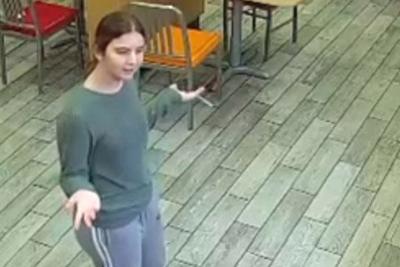
The timeline has become a central point of public discussion. Earl Bales Park sits at Bathurst Street and Sheppard Avenue West, a familiar green space in North York. From there to Bathurst and Hotspur Road, south of Highway 401, is a significant distance involving residential streets, some commercial stretches, and areas with varying levels of foot traffic even late at night. Security footage captured Esti at the second location just after midnight, confirming she was still wearing the same turquoise sweater with words on the front and grey sweatpants — but notably without any footwear. Police have not released extensive details about her condition during that sighting or what path she might have taken.
This gap is starting to make people uncomfortable, as one local media report noted. In a city where missing youth cases often resolve quickly through community networks, the prolonged uncertainty has amplified concern. Toronto Police confirmed the later sighting days into the investigation, updating the public via their dedicated website tps.to/findesther and a tip line at 647-355-4148. The barefoot detail, repeated in official bulletins, has drawn particular attention because of the practical challenges it implies — walking barefoot through urban terrain at night, potentially over sidewalks, roads, or park paths.
Esti is described as 5’2” with a medium build and brown hair. She is on the autism spectrum, a factor police have highlighted as contributing to their heightened concern for her safety. According to coverage by Global News and the Canadian Jewish News, she left home following some form of family disagreement, though authorities and relatives have kept specifics private. Her parents, Shira and Joseph, have made emotional public appeals, emphasizing that she is not in any trouble and that the family’s only priority is her safe return.
In one widely shared video from UJA Federation of Greater Toronto, Shira speaks directly to her daughter: “Esti, my love, if you are watching this, please come home. Please know this clearly: you are not in trouble. Nobody is angry with you.” The father has been described by volunteers as operating in “full detective mode,” coordinating with search teams and following up on leads himself. A $25,000 reward has been offered for information leading to her safe recovery, an amount that underscores the urgency felt by both family and community.
Community reaction has been one of determined solidarity mixed with growing anxiety over the timeline. Jewish organizations, including Shomrim safety patrols and Hatzolah, have mobilized hundreds of volunteers to search parks, ravines, transit routes, and neighborhoods along Bathurst Street. Command posts at Earl Bales Park serve as coordination hubs, even as searches continue through variable weather and community observances. Yet online forums reflect the unease. On Reddit’s r/toronto and r/MissingPersonsCanada, users have dissected the timeline, with some questioning how far someone without shoes could reasonably travel in under an hour and what risks that might involve.
One X post from journalist Amie Archibald-Varley captured the sentiment, sharing details of the autism diagnosis and urging vigilance. Threads on the platform frequently highlight the barefoot element as particularly troubling. “A 14-year-old girl walking miles without shoes late at night — something about that timeline doesn’t sit right,” read one widely engaged comment. While speculation remains just that, it reflects the public’s struggle to reconcile the known facts with the ongoing mystery.
Adding to the distress are repeated reports of Esti’s missing person posters being torn down across North York and other parts of the city. Volunteers who replace the flyers often find them ripped off lampposts or discarded within hours. Outlets including the New York Post and CBC News have covered the vandalism, with some drawing uncomfortable parallels to the tearing down of hostage posters in the aftermath of the October 7 attacks. Toronto Police and community leaders have condemned the acts, regardless of motive, noting they hinder awareness efforts at a critical time. One volunteer told reporters, “I don’t know what’s wrong with people,” a sentiment echoed in many online discussions.
Background on Esti offers a fuller picture of the girl behind the headlines. Roughly a year before her disappearance, she had given an interview to Global News that her family later asked the outlet to reshare. In the clip, she comes across as engaged and expressive, providing a humanizing glimpse beyond official descriptions. Her diagnosis on the autism spectrum is understood to influence how she might navigate stress or unfamiliar situations, which is why authorities treat the case with Priority 1 urgency.
The North York area around Earl Bales Park is generally considered safe and family-oriented, yet the late-hour disappearance has prompted broader conversations about youth safety, mental health support, and rapid response protocols for vulnerable teens. Police have expanded searches outward based on tips, including unconfirmed reports of possible sightings further along transit lines, but the focus remains on that post-midnight window and the barefoot sighting near Bathurst and Hotspur.
Social media platforms have played a dual role — amplifying the call for tips while sometimes fueling speculation. On X, official Toronto Police updates have received thousands of engagements, with users sharing flyers and offering prayers. Reddit threads mix heartfelt concern with questions about the initial response and what support systems exist for neurodiverse youth in crisis. One detailed Reddit post in r/MissingPersonsCanada mentioned a potential sighting at Caledonia and Eglinton where Esti reportedly asked for socks, adding another layer to the public’s attempt to piece together her movements.
Local media, from CP24 and CityNews to CBC and the Canadian Jewish News, have maintained consistent coverage, balancing official updates with family appeals. The story has spread through Toronto’s Jewish community and beyond, with international Jewish networks helping raise visibility. Despite the drama, coverage has largely remained factual, avoiding sensationalism while acknowledging the human stakes.
As the search enters its thirteenth day, the emotional toll on the family and volunteers is evident. Teams have braved rain and fatigue to check backyards, sheds, and hard-to-reach areas. Police continue to stress that any information, even seemingly minor details like a glimpse of a turquoise sweater or grey sweatpants, could be crucial. The command post at Earl Bales Park remains active as a focal point for tips and coordination.
This case highlights ongoing challenges around missing youth in Canadian cities, particularly those with neurodiverse conditions who may not seek help in conventional ways. While not directly commenting on specifics, advocacy groups often note how quickly situations can escalate without prompt intervention. In Esti’s situation, the combination of the late hour, the distance covered, and the absence of shoes has kept the timeline at the forefront of public attention.
Looking forward, authorities and the community remain cautiously hopeful for a safe resolution. The substantial reward and sustained media attention increase the likelihood that someone with key information will come forward. Family members continue to hold the door open, repeating their message of unconditional love and safety. Volunteers show no signs of slowing down, replacing torn posters and expanding canvassing efforts.
Toronto, known for its resilience and tight-knit neighborhoods, finds itself in a collective moment of vigilance. The hours after midnight on May 15-16, and the image of a barefoot teenager moving through the city, have created an atmosphere of quiet urgency. Whether the timeline yields new leads or Esti is located through persistent community effort, the central hope remains unchanged: bringing her home safely to parents and loved ones who miss her deeply.
Anyone with information about Esther “Esti” is urged to contact Toronto Police directly at 647-355-4148 or submit tips anonymously through Crime Stoppers. In a story marked by uncertainty, one element is clear — the determination of a city united in the search for one of its own.