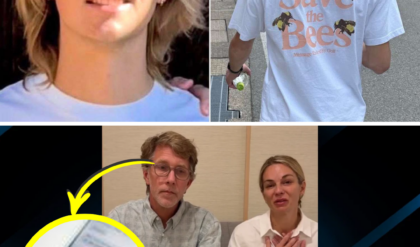
The deepening investigation into the death of 20-year-old James “Weston” Higginbotham has taken a particularly intimate and unsettling direction with the review of medical records, where an unexpected short note referencing his mental illness has reportedly raised more questions than answers for those closest to him. What was meant to be a celebratory family vacation in Japan to mark his younger brother’s high school graduation turned into an unimaginable tragedy when the Auburn University biosystems engineering student from Hoover, Alabama, vanished on May 29, 2026, after heading alone into the forested trails near Yamashina outside Kyoto. Volunteer search teams located his remains on June 6 in a remote, steep mountainous area, but the steady emergence of details—from the missing pocket flashlight he never went hiking without, to the pitiful condition of his body marked by scratches suggestive of a recent struggle, the separately recovered phone, a private conversation days earlier, a last letter, a misunderstood rescue worker observation, a handwritten note on the first page of the partial report, a puzzling line on page two, discordant medical testimony, and now this short note in the medical records—has left family and friends struggling to reconcile the young man they knew with the fragments being uncovered.
Weston Higginbotham was consistently described by friends and family as a thoughtful, resilient, and principled individual whose passion for the natural world and sustainability guided his life and studies. Growing up in Hoover, he graduated from Spain Park High School before immersing himself at Auburn in biosystems engineering, where he advocated strongly for environmental causes including biodiversity preservation and responsible technological practices. His approach to hiking was meticulous and almost ritualistic, always including that small, reliable pocket flashlight in his backpack, a habit so ingrained that its absence from his recovered belongings became one of the first details investigators specifically inquired about from those who knew him best. On the evening of his disappearance, following what has been portrayed as a relatively minor yet philosophically loaded disagreement with his mother Nancy over her reliance on AI tools like ChatGPT for trip planning—something Weston critiqued due to its environmental footprint—he sought solitude in the ancient forests around Yamashina. CCTV footage captured him walking purposefully from the station toward the trails as daylight faded, after which his phone signal disappeared amid worsening weather from an approaching typhoon.
The physical realities of the discovery only amplified the sorrow. Rescuers found Weston in a pitiful condition, with extensive scratches on his body that appeared fresh and evocative of a desperate fight for survival against rain-slicked slopes, dense undergrowth, or other immediate perils in the storm. One rescue worker’s observation from the scene has remained misunderstood and stands as a significant unanswered question as authorities work to reconstruct his final hours. His parents’ very first questions upon being informed of the body’s recovery famously centered not on the physical cause of death but on his mental health at the time, inquiring whether doctors’ conclusions were shocking or consistent with their own perceptions of his well-being. This early emphasis has proven prescient as more personal elements surface, including the analysis of his phone found separately from other belongings, which detectives believe could contain valuable data on his movements, messages, or thoughts during those critical hours.
A close friend, after investigators reviewed a very private conversation they shared with Weston just days before the trip, expressed deep regret, saying, “I wish I had asked him what he meant,” about cryptic remarks concerning purpose, disconnection from modern pressures, and a desire for deeper immersion in nature. Even more noteworthy was the last letter Weston left behind, a personal document offering reflections on life, family, and his environmental passions that has been carefully examined alongside the phone. The partial investigative report already drew significant attention with a handwritten note near the bottom of the first page that the family reportedly cannot stop discussing, followed by a single line on page two that has left people close to him with more questions than answers. These documentary fragments have intertwined with earlier medical testimony captured in a recording that friends insist “doesn’t sound like Weston at all,” describing behaviors or expressions that felt alien to the prepared, quietly intense young man they knew.
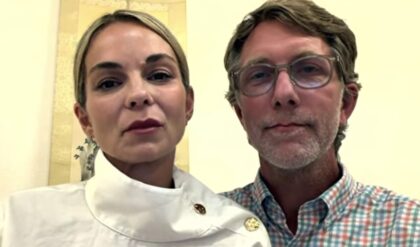
Now, the medical records themselves have introduced an unexpected short note about mental illness that those familiar with the case say has only compounded the confusion rather than providing clarity. According to individuals close to the family and investigation, the note—brief and somewhat cryptic in its placement within the records—references aspects of Weston’s mental health in a way that feels sudden, incomplete, or inconsistent with the vibrant, purpose-driven person remembered by friends and classmates. This revelation has reignited intense discussions about the reliability and context of the medical documentation, especially as it intersects with the family’s initial priority on understanding his emotional state. Investigators are reportedly reviewing the note thoroughly, cross-referencing it with the discordant testimony from the medical recording, the last letter, the private conversation, the page two line, the first-page handwritten annotation, the rescue scene observations, and all other available evidence to determine its significance and accuracy.
The short note’s emergence has prompted friends to reflect anew on Weston’s character. At Auburn, he was known for late-night conversations on ecology, climate solutions, and the importance of authentic experiences in nature over digital conveniences. His “Save the Bees” T-shirt and lavender corduroy pants, noted in missing persons appeals, symbolized his gentle activism and distinctive style. The disagreement over AI during the family trip was not out of character but reflected a deeply held worldview that valued sustainability and direct connection. The trails near Yamashina seemed to offer exactly the reflective solitude he sought after that discussion, yet the combination of unfamiliar terrain, heavy rains, fading light, and whatever internal factors were at play led to tragedy. The missing flashlight, the scratches indicative of struggle, the separate phone recovery, and now the mental health note in the records paint a complex portrait that those closest to him continue to find difficult to fully accept.
The search operation underscored both human resilience and nature’s indifference. Japanese authorities, volunteers, and the Higginbotham family navigated significant challenges including language barriers and hazardous post-typhoon conditions. Official efforts scaled back at points, but determined volunteers pressed on, ultimately making the discovery that brought closure while opening new layers of inquiry. No foul play is suspected, with the case classified as a tragic misadventure, yet the personal and medical elements under scrutiny suggest a narrative rich with nuance. The short note about mental illness, while potentially offering chronological or diagnostic context, has instead raised fresh uncertainties, particularly when juxtaposed against the testimony that did not align with Weston’s known personality and the handwritten and typed lines in the official report that continue to captivate attention.
As the family proceeds with repatriation and memorial planning, Nancy Higginbotham’s public Facebook posts have expressed the indescribable grief while thanking rescuers, supporters, and the community that rallied around them. The short note in the medical records has reportedly become another focal point in their private reflections, intertwining with concerns about whether earlier signs were missed or if the documentation fully captures the son they loved. Friends who reviewed the medical recording and are now aware of the note emphasize the dissonance, insisting that elements emerging do not reflect the resilient hiker, dedicated student, and thoughtful advocate they shared trails and classrooms with. Investigators’ ongoing review aims to integrate this latest detail with the full body of evidence, seeking coherence amid the accumulating questions.
Weston’s legacy at Auburn and in the broader Alabama community remains one of inspiration. Classmates recall his passionate contributions to sustainability dialogues and his quiet intensity in pursuing what mattered. His story has ignited wider conversations about mental health awareness among young travelers, the pressures of academic and family life, the risks of solo exploration in foreign wilderness, and the balance between technology and nature. The unexpected short note, like the other fragments before it, underscores the challenges of understanding any individual’s final days from incomplete records and personal artifacts. It prompts calls for greater compassion and open dialogue, reminding that behind official notations are complex human experiences.
The forested mountains around Yamashina, once a backdrop for potential peace and discovery, now symbolize the mysteries that persist. The short note about mental illness in the medical records may eventually fit into a clearer timeline or highlight limitations in how such information is documented and interpreted. For now, it joins the missing flashlight, the struggle-marked scratches, the regret over the private conversation, the insights from the last letter, the misunderstood rescue observation, the report’s handwritten and typed lines, and the discordant testimony as pieces of a puzzle that continues to evolve. Those close to Weston hope that fuller context will bring understanding without diminishing the vibrant spirit they remember.
In reflecting on the case, many note the importance of viewing mental health with nuance, especially in the context of travel, family dynamics, and personal passions. Weston’s journey, though tragically shortened, embodied curiosity, principle, and a deep love for the natural world. The medical records’ short note, while raising more questions, also humanizes the investigation, emphasizing that even in tragedy, the quest for truth involves reconciling official observations with lived realities. As investigators persist and the family mourns, the collective focus remains on honoring a young man whose light—symbolized by that ever-present yet absent flashlight—illuminated paths for others through his intellect, kindness, and adventurous heart.
This latest development in the Higginbotham case serves as a poignant reminder of the multifaceted nature of loss. The short note may prove incidental or pivotal, but its impact on those close to him underscores the emotional weight carried by every detail. Supporters worldwide continue offering compassion, prayers, and calls for safety awareness, hoping that as the investigation advances, it brings the family some measure of peace amid the questions. James “Weston” Higginbotham’s story, enriched by these intimate revelations, transcends any single notation in a record. It highlights the enduring bonds of family and friendship, the allure and peril of nature’s embrace, and the importance of cherishing clarity in communication while respecting the complexities of inner lives. Though the mountains claimed him too soon, the ongoing review of his case ensures that his memory inspires continued reflection on living fully, exploring responsibly, and supporting one another through unseen struggles.
News
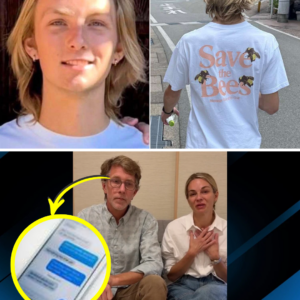
⚠️ PAGE 2 IS NOW GETTING ALL THE ATTENTION. As investigators continue reviewing James “Weston” Higginbotham’s case, one line from an official record is reportedly leaving people close to him with more questions than answers
The unfolding investigation into the death of 20-year-old James “Weston” Higginbotham has taken yet another perplexing turn as attention shifts sharply to the second page of the partial official report, where a single line has reportedly left family, friends, and…
That doesn’t sound like Weston at all…: A newly reviewed medical recording relating to the final days of James “Weston” Higginbotham allegedly contains testimony that his friends say doesn’t match someone they knew – and investigators are reviewing the matter
The release of additional details from the ongoing investigation into the death of 20-year-old James “Weston” Higginbotham has introduced yet another layer of profound unease for his family and friends, as a newly reviewed medical recording from his final days…
🚨 JUST RELEASED: Investigators have finally completed part of the report into James “Weston” Higginbotham’s death, but it’s one handwritten note near the bottom of the first page that his family reportedly can’t stop talking about
The partial release of the investigative report into the death of 20-year-old James “Weston” Higginbotham has provided some long-awaited structure to the circumstances surrounding his disappearance in the mountains outside Kyoto, Japan, yet it has also intensified the emotional turmoil…
A FINAL DIARY ENTRY IS BREAKING HEARTS… Family members of James “Weston” Higginbotham say investigators recently questioned him about a notebook he kept, because a short passage might help explain the emotional struggle he had been hiding
The intricate and deeply harrowing narrative surrounding the disappearance, search, and ultimate discovery of James “Weston” Higginbotham has evolved into a profound psychological and forensic study that continues to challenge the foundational methods of international law enforcement and deeply affect…
HE ASKED ME IF PEOPLE EVER START OVER AGAIN… When opening James “Weston” Higginbotham’s notebook, revealing that detectives recently reviewed a very private conversation with a psychiatrist that took place less than 24 hours before he disappeared
The layers of the investigation into the disappearance of James “Weston” Higginbotham have peeled back to reveal a deeply intimate and painful narrative, shifting the focus from external physical tracking to the quiet, internal landscape the young Auburn student was…
THE FAMILY DIDN’T UNDERSTAND UNTIL THEN… James “Weston” Higginbotham’s brother said the 20-year-old had secretly left messages for each family member, and now, piecing together the events, everyone believes his death was not an accident
The intricate puzzle surrounding the tragic disappearance and ultimate discovery of James “Weston” Higginbotham continues to unravel in ways that deeply challenge the initial assumptions made by both international investigators and his closest loved ones. What began as a frantic…
End of content
No more pages to load