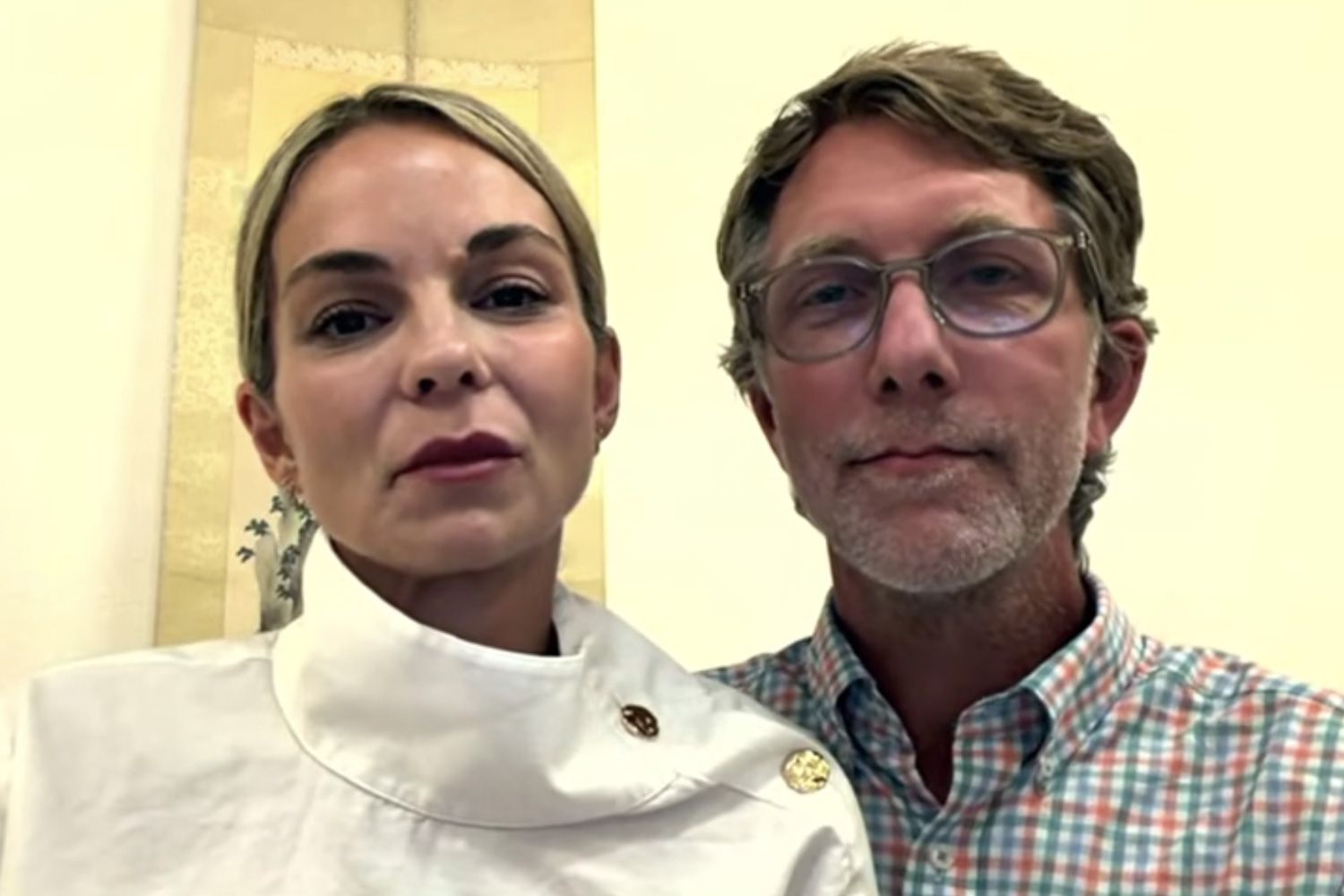
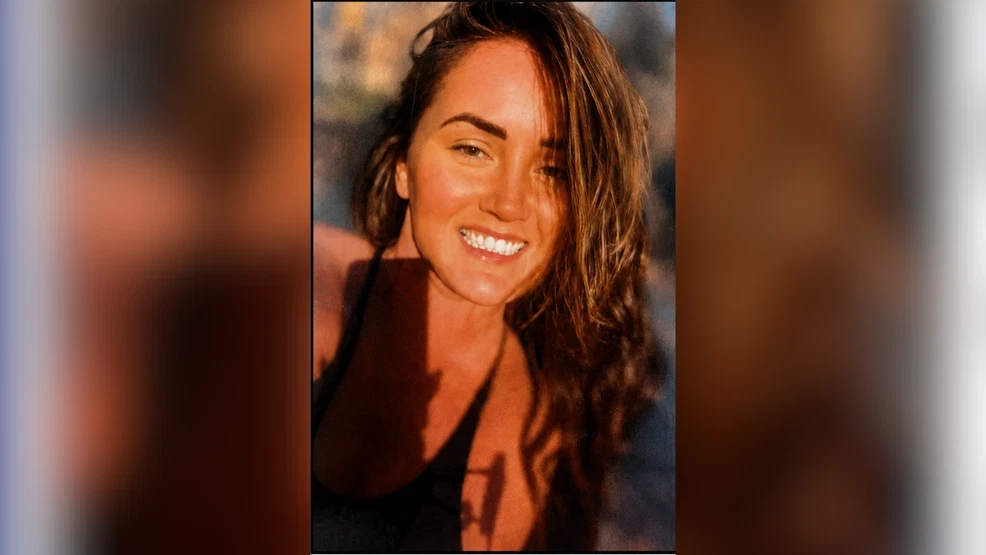
💔 SHE REMEMBERS MORE THAN PEOPLE THINK: Leah Stewart is recovering in hospital after the attack that shocked the country. According to reports, one memory from the final moments before the shark appeared continues to stay with her
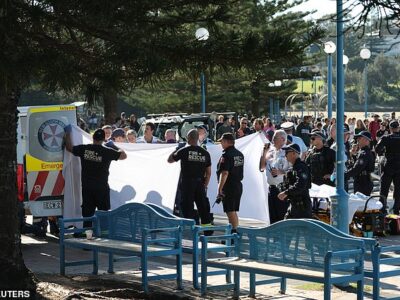
The global community remains in a state of deep shock following the horrific marine predator encounter at Coogee Beach in Sydney, Australia, which left thirty-five-year-old primary school teacher and mother Leah Stewart fighting for her life in the intensive care unit at St Vincent’s Hospital. The incident, which occurred on a crystal-clear Saturday morning on June 13, 2026, stunned onlookers because Stewart had followed every recommended safety protocol, swimming directly between the patrolled red and yellow flags close to the shore when she was ambushed by a suspected eleven-foot great white shark. While her medical team has performed multiple life-saving operations, including the traumatic amputation of her arm, reports from her bedside indicate that the young mother is lucid and recalling vivid details from the moments immediately preceding the catastrophic event.

According to close family members and investigators who have spoken briefly with the survivor, one singular memory from the final seconds before the shark materialized has anchored itself in Stewart’s mind, defying the typical amnesia often brought on by acute trauma and extreme blood loss. Moments before the water turned violent, Stewart recalls experiencing a sudden, absolute silence beneath the surface of the water, describing a complete and sudden disappearance of the small baitfish and marine activity that had surrounded her just minutes earlier. This sudden environmental void, often referred to by marine biologists as a biological quiet zone, occurred just before her friend screamed the warning and off-duty lifeguard Charlie Verco paddled into the bloodied water to execute a heroic rescue.
This specific recollection has proved highly valuable to behavioral experts and drone surveillance teams who are currently analyzing the surge of shark incidents along the New South Wales coastline in 2026. Experts state that the sudden fleeing of smaller marine life is a primary indicators of an apex predator entering a shallow territory, a subtle environmental shift that human senses rarely register in real-time. As a massive crowdfunding campaign surpasses hundreds of thousands of dollars to support her long-term rehabilitation and prosthetics, Stewart’s family prefers to focus entirely on her miraculous survival and the bravery of the first responders rather than the fierce political debates regarding shark culling that have since erupted across the country.
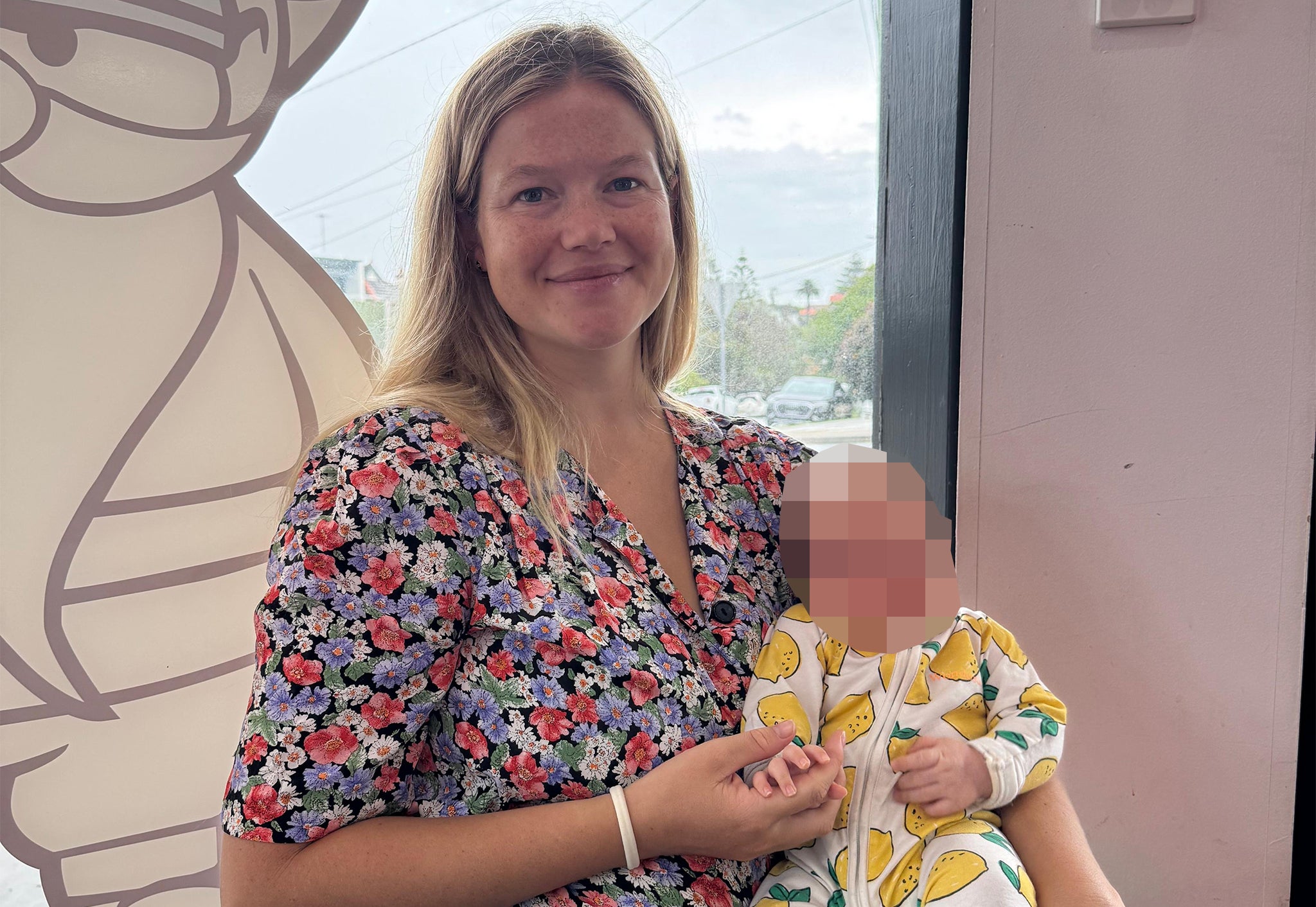
The road to recovery for the beloved Coogee local will be exceptionally long, involving extensive physical therapy, psychological support, and further scheduled surgeries to address deep lacerations and fractures across her body. Despite the immense physical trauma, those keeping a bedside vigil note that her ability to remember and articulate the subtle nuances of her final moments in the water demonstrates a profound mental resilience. For a community deeply haunted by the proximity and speed of the attack, Stewart’s vivid recollection serves as a sobering reminder of the invisible shifts that occur within the ocean realm, proving that even when doing everything right, human tracking of nature’s most formidable predators remains an imperfect science.