“SHE ASKED THE SAME QUESTION TWICE” Leah Stewart is recovering after surviving a shark attack just 30 metres from shore. But according to friends, the first question she asked after waking up is now the question thousands of Australians are asking too
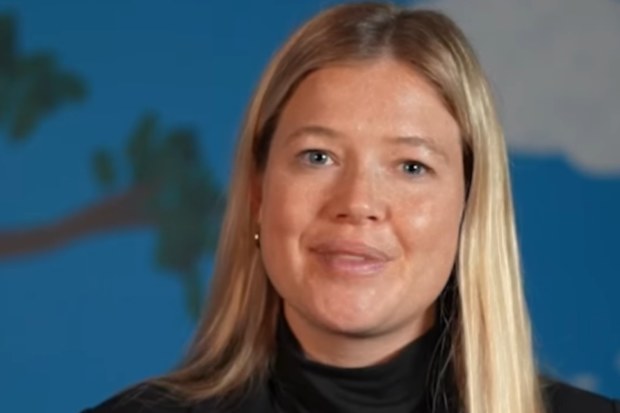
Leah Stewart is recovering after surviving a shark attack just 30 metres from shore. But according to friends, the first question she asked after waking up is now the question thousands of Australians are asking too.
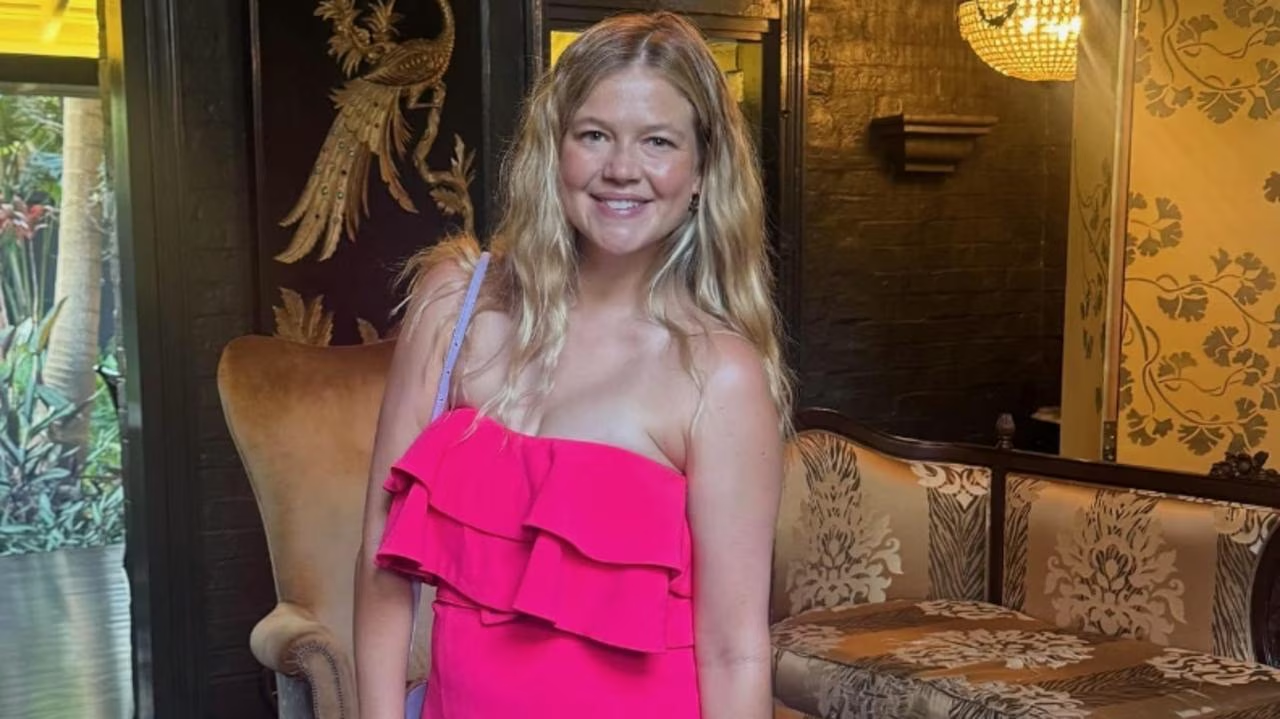
On the morning of Saturday, June 13, 2026, Coogee Beach in Sydney presented its usual inviting scene. The sun glinted off the waves, families gathered on the sand, and regular swimmers moved through the flagged area between the lifeguard posts, where patrols are meant to ensure safety. Among them was Leah Stewart, a 35-year-old deputy principal at Hurstville Adventist School, devoted mother to her one-year-old daughter, and passionate ocean lover who lived locally in Coogee. She was swimming with friends, close enough to shore that her young child played nearby under supervision. It was a routine morning dip in waters she knew well.
What happened next unfolded in horrifying seconds. A large great white shark, estimated at around 3.5 metres, attacked Stewart as she swam. The shark inflicted severe bites to her arms and legs, causing lacerations, fractures, and extreme blood loss. Witnesses described the water turning red as the predator dragged her. An off-duty surf lifesaver, Charlie Verco, heroically paddled out on his board, reached her amid the chaos, and managed to get her back to shore despite the shark’s presence. Stewart lost consciousness during the rescue. Paramedics and emergency services rushed her to St Vincent’s Hospital, where she was placed in critical condition.
Doctors performed extensive surgeries, including the amputation of her left arm due to the catastrophic injuries. She has remained on life support in the ICU, undergoing further complex procedures. Her family has shared updates noting risks of infection from sand and debris in the wounds, and they continue to appeal for prayers and support as she fights for recovery. Her brother Joshua launched a GoFundMe that has raised hundreds of thousands of dollars—over $300,000 quickly, with contributions climbing higher—from a community rallying around one of their own.
Leah Stewart’s story resonates far beyond the personal tragedy because of who she is. Described by family and colleagues as a loving mother, dedicated teacher, and someone who “lives for the ocean,” she embodies the everyday Australian connection to the beach. As deputy principal, she inspired students with her energy and commitment. She had campaigned for cleaner oceans, highlighting her deep respect for the marine environment. That love for the sea placed her in the path of one of its most formidable predators, turning a familiar activity into a nightmare.
Friends who visited or spoke with her during brief moments of awareness recounted that one of the first things she asked upon waking—reportedly repeating the question—was about her daughter’s safety. In the haze of trauma and medication, her maternal instinct cut through: concern for the child playing on the shore while she swam. That question, asked twice in her vulnerability, has echoed through public discourse. Thousands of Australians are now asking a version of the same thing—not just about one child, but about families, communities, and the safety of the beaches that define so much of national life and identity.
Coogee Beach reopened days later under heightened patrols, with lifeguards, jet skis, and drones monitoring the waters. Swimmers returned cautiously, some sticking to the sand or shallower areas, others resuming their routines with a new wariness. Locals described the atmosphere as stunned and haunted, like a horror movie intruding on everyday paradise. For many regular ocean-goers, the attack hit close to home. One swimmer who frequents the bay noted swimming near the same spot for years and grappling with the randomness of the event.
This incident has reignited longstanding debates about shark management in Australia. The country has a history of shark attacks, with great whites responsible for many serious incidents. While fatal attacks are statistically rare, their visibility amplifies fear. Calls for culling have resurfaced, with some politicians and former leaders advocating stronger measures. Others emphasize conservation, noting sharks’ protected status and ecological importance, and push for non-lethal technologies like improved drone surveillance, shark nets, or smart drumlines. The New South Wales government has reviewed safety protocols, but experts caution against knee-jerk responses that could harm marine ecosystems.
Australia’s relationship with the ocean is complex and deeply cultural. Beaches are not just recreational spaces but symbols of freedom, health, and community. Surfing, swimming, and family outings form part of the national fabric. Yet the sea demands respect. Shark attacks, though infrequent, serve as stark reminders of nature’s unpredictability. Stewart’s case, occurring so close to shore in a patrolled area, challenges assumptions about safety and has prompted many to reconsider their habits. Some swimmers admit hesitation, while others vow not to let fear win, echoing a resilient spirit common in coastal communities.
The outpouring of support for Stewart highlights Australian solidarity in crisis. Donations flooded in from across the country and internationally. Messages of encouragement filled social media and the GoFundMe page. Her school community, colleagues, and students expressed prayers and well-wishes, underscoring her role as an educator who touched many lives. Her partner rushed home from overseas to be by her side. The collective response reflects more than sympathy—it is a communal acknowledgment of shared vulnerability and a desire to help one family rebuild.
Medically, Stewart faces a long road. Amputation brings profound physical and psychological adjustments. Rehabilitation will involve prosthetics, therapy, and adapting to daily life as a mother and professional. Infection risks remain high, requiring vigilant care. Her family has emphasized the need for ongoing support, not just financial but emotional, as she processes the trauma. Stories of other shark attack survivors offer glimmers of hope—many return to the water, transformed but undeterred, using their experiences to advocate for awareness.
Broader context reveals patterns. Improved water quality and fish stocks may influence shark behavior, drawing them closer to populated areas. Climate factors and human activity play roles. Conservationists argue for better understanding rather than eradication, while safety advocates call for investment in technology. The attack at Coogee, a popular Sydney spot near Bondi, amplifies these discussions nationally. It forces a reckoning: how do we balance enjoyment of the ocean with realistic risks?
Leah Stewart’s question—rooted in immediate maternal concern—mirrors a deeper societal one. Australians are asking whether their iconic beaches remain places of joy or carry hidden threats that demand new approaches. For parents, it stirs protective instincts; for ocean enthusiasts, it challenges passion with prudence; for policymakers, it tests the tension between environment and public safety.
In the days following the attack, small acts of kindness multiplied. Food deliveries, offers of help with childcare, and community vigils emerged. The fundraiser’s success speaks to generosity but also to a collective need to act when words feel insufficient. Stewart’s recovery will test medical teams, her resilience, and family strength. Her story, still unfolding, has already united people in reflection.
As Coogee’s waves continue their rhythm, the flags flutter under vigilant eyes. Swimmers dip toes cautiously, scanning horizons. Leah Stewart’s ordeal reminds everyone that the ocean, while life-giving, commands caution. Her first waking thoughts centered on her child’s well-being—the same instinctive worry many parents feel daily. Now, multiplied across a nation, that question lingers: how do we protect what we love without losing our connection to it?
The path ahead for Stewart involves more surgeries, intensive rehab, and redefining normalcy. Friends and family believe her spirit—fueled by love for her daughter and passion for teaching and the sea—will guide her. Australians, in turn, continue asking their version of the question, seeking answers in policy, technology, education, and personal choices. In tragedy, there is often a call to greater awareness and humanity. Leah Stewart’s survival and the community’s response embody that.
Her story is not just one of survival against odds but a mirror to national identity. The ocean defines Australia—its beauty, dangers, and enduring allure. As Stewart recovers, the nation watches, supports, and ponders the balance. The question asked twice in a hospital bed now echoes widely: a plea for safety, for family, and for the future of cherished coastal lives. Recovery will be measured in small victories—first steps, moments with her daughter, perhaps eventually a cautious return to the water that shaped her. In the meantime, Australia holds its breath and its beaches a little closer, asking how to move forward together.