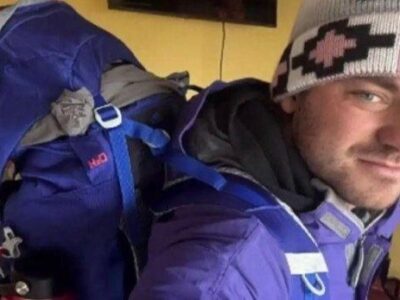
JUST IN: The 29-year-old traveler disappeared in Peru despite carrying supplies for a multi-day hike. Investigators still cannot determine which trail he entered
The mysterious disappearance of twenty-nine-year-old American traveler and educator Ian Thomas Treger in the high-altitude Cusco region of Peru has evolved into a complex, multi-agency search operation. Treger, a native of Rockbridge County, Virginia, and a distinguished 2020 alumnus of Washington and Lee University, went completely silent on May 13, 2026. As the investigation crosses a somber forty-day milestone, international search crews, family members, and local authorities are grappling with a profound logistical deadlock. Despite being a highly experienced outdoorsman equipped with the necessary supplies for an extended, multi-day trek, Treger left no definitive itinerary or digital trail. Consequently, investigators frankly admit they remain entirely unable to determine which backcountry trail he entered, forcing rescue assets to divide their attention across thousands of square miles of unforgiving Andean wilderness.
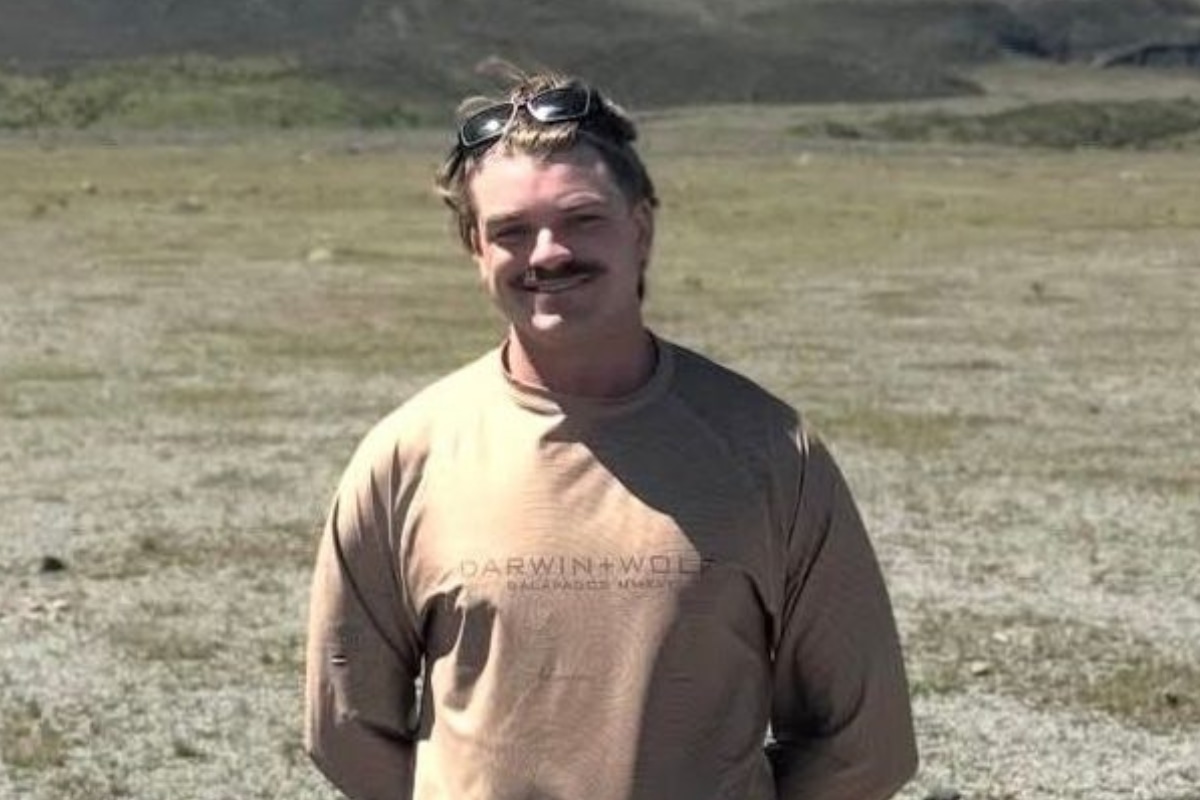
The baseline of the investigation begins in the Wanchaq District of the Cusco Province, where Treger was staying immediately prior to his disappearance. Known to his peers as an itinerant teacher who possessed extensive global travel experience, he was highly adept at managing the physical and environmental demands of independent long-distance trekking. Because he routinely embarked on multi-day excursions where cellular connectivity was completely nonexistent, his family back in Virginia did not initially expect daily communication or regular social media updates. It was only after an extended period without contact, far exceeding his typical wilderness windows, that loved ones realized an emergency had occurred. Following urgent inquiries, the Peruvian news agency Andina publicly reported him missing on June 11, 2026, prompting a formal regional mobilization.
A primary challenge confronting the Peruvian National Police and specialized high-mountain rescue units is the vast geographic distance and stark environmental contrast between his two primary suspected destinations. Before setting out into the field, Treger had explicitly informed his family that his primary objective was to undertake a grueling, multi-day foot journey to the Choquequirao Archaeological Park. Located to the west of Cusco, between the Anta and La Convención provinces, Choquequirao is an exceptionally isolated Incan site accessible only by a demanding trail. The route plunges deep into the severe heat of the Apurímac River canyon before forcing hikers to ascend steep, vertical switchbacks. Because the canyon is entirely cut off from reliable cellular networks, a solo hiker experiencing an unexpected medical crisis, severe dehydration, or a navigation mistake down the crumbling cliff faces encounters an immediate, life-threatening situation far removed from emergency infrastructure.
Conversely, intelligence gathered from local transit logs and regional checkpoints indicates a high probability that Treger’s plans may have shifted at the last minute, directing him toward a completely opposite geographic sector. Alternative investigative theories suggest he may have instead traveled toward Vinicunca, widely known as the Rainbow Mountain, or the neighboring Ausangate Loop, located toward the southeast between the Canchis and Quispicanchi provinces. To begin this specific high-exposure alpine trek, travelers typically board regional public buses out of Cusco to high-altitude villages like Ocongate. The Ausangate terrain presents an entirely different set of severe environmental hazards compared to the canyon heat of Choquequirao, pushing hikers through barren mountain passes exceeding 16,000 feet above sea level where sudden blizzards, sub-zero nighttime drops, and acute altitude sickness are constant threats.
:max_bytes(150000):strip_icc():focal(749x0:751x2)/ian-treger-missing-peru-062026-b1b1c24e52ef4004a08f972e11e24ed4.jpg)
The total lack of certainty regarding whether Treger headed west into the deep canyons of Choquequirao or southeast into the freezing alpine altitudes of Canchis and Quispicanchi has created a monumental hurdle for rescue coordinators. High-mountain rescue squads and canine search teams require a definitive geographic starting point or a confirmed trail entry point to deploy field personnel effectively. Without a verified transit record, a local ticket purchase, or an eyewitness account at a specific trailhead, state authorities have been forced to treat multiple, entirely separate wilderness zones with equal weight. This structural fragmentation means that while ground teams are actively deployed, they are stretched thin across a massive, vertical topography that defies easy categorization.
To break the operational impasse, Treger’s mother, Michelle Ludwig, traveled directly to Peru to personally imbed herself within the rescue operations and coordinate the expanding fieldwork alongside local detectives and United States Embassy staff. Recognizing that local government resources are inherently limited given the vastness of the Cusco Province, the Treger family launched a formal GoFundMe crowdfunding campaign to raise the substantial capital necessary to sustain a private search infrastructure. The funds are being systematically utilized to hire specialized local mountain guides who possess intimate, generational knowledge of the area’s hidden valleys and microclimates. Additionally, the family has employed independent drone operators to map high-probability danger zones, focusing on deep ravines, hidden crevices, and unmapped trail forks that standard government aerial surveys might miss.
As ground search efforts continue to yield no physical traces or gear findings, the investigation has shifted heavily toward a forensic analysis of Treger’s digital footprint back in the United States. In high-profile missing persons cases, a traveler’s final digital transmissions or computer caches often provide the critical context needed to decode their final intentions. To accelerate this aspect of the inquiry, the office of United States Senator Mark Warner has stepped in to facilitate high-level, inter-agency technical assistance. Federal representatives are currently working to ensure that Treger’s personal laptop computer is safely transported back to domestic soil, where specialized forensic data analysts can dissect his recent internet search queries, local mapping application caches, and cloud-synchronized files to locate any hidden route plans or coordinates.
The emotional ripples of the prolonged disappearance have been felt deeply across Rockbridge County, Virginia, where Treger was raised and attended Effinger Elementary School. Friends, neighbors, and former university classmates have organized community fundraisers and awareness campaigns, describing the itinerant teacher as a vibrant, highly capable, and deeply empathetic individual who possessed extensive global travel experience. While his loved ones cling tightly to hope, knowing that his foundational wilderness survival skills provide him with an edge in difficult conditions, the reality of a total communication blackout lasting more than forty days introduces an undeniable, heavy layer of anxiety that intensifies with every passing hour of silence.
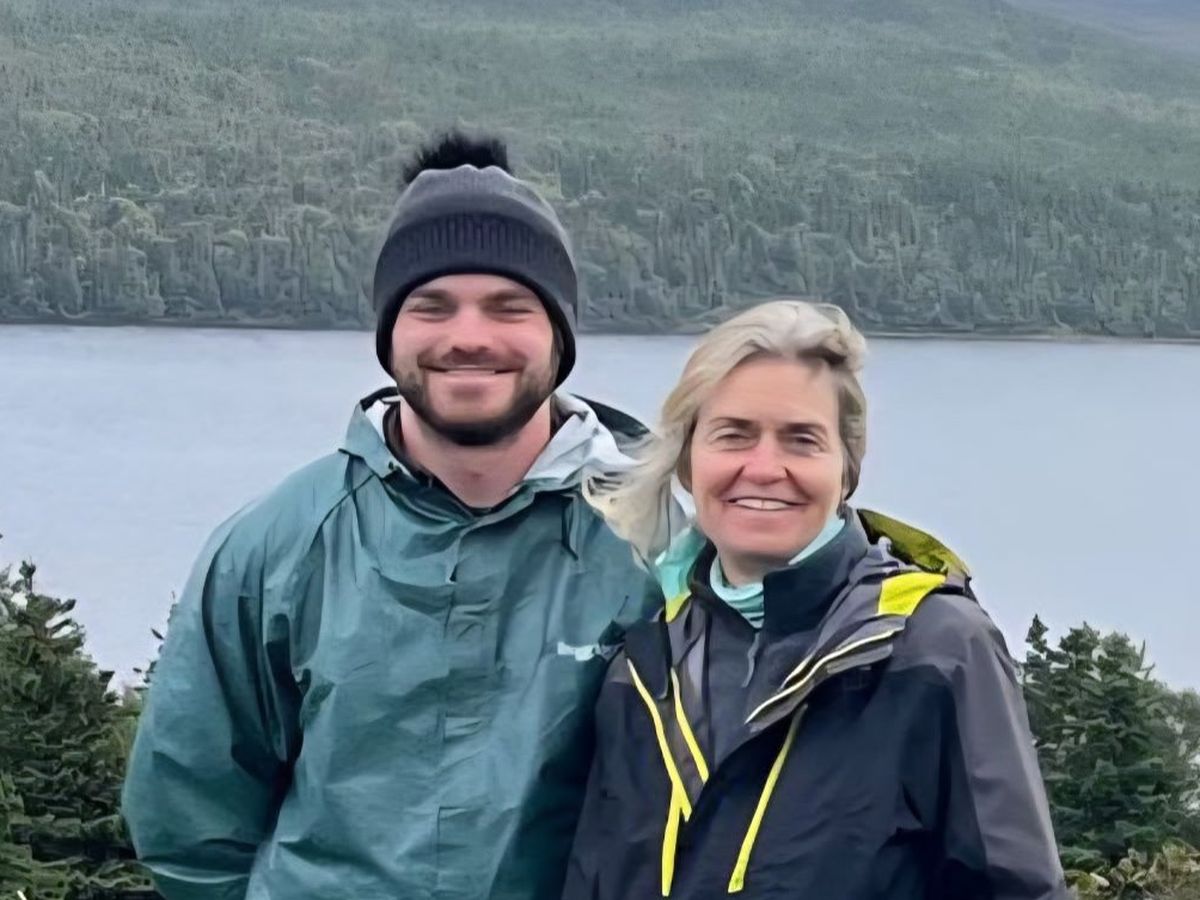
As the collaborative search operation pushes forward into another week, Peruvian authorities and the U.S. State Department continue to issue urgent public appeals to the international backpacking community and seasonal tour operators who were active anywhere in the Cusco province around mid-May. Because the major trekking routes are popular destinations for global hikers who heavily document their travels via action cameras, smartphones, and personal travel blogs, investigators are urging anyone who visited these areas to carefully review their background media. A single accidental detail captured in the background of a fellow traveler’s photograph could provide the vital geographic clue needed to establish Treger’s trajectory and guide rescue crews directly to his location deep within the Andean wilderness.
Ultimately, the ongoing disappearance of Ian Treger serves as a stark, sobering reminder of the inherent risks associated with solo wilderness exploration in the world’s most formidable mountain ranges. The very qualities that draw adventurous spirits to the high Andes—the absolute isolation, the rugged, unaltered landscapes, and the escape from modern digital connectivity—are the exact factors that make rescue operations exceedingly difficult when something goes wrong. Until a definitive physical trace is discovered or a breakthrough is achieved through the technical analysis of his digital records, the collaborative efforts of the Peruvian police, the United States government, and an unyielding family network will continue to push forward, refusing to abandon the search for the missing Virginia educator deep within the heart of Peru.