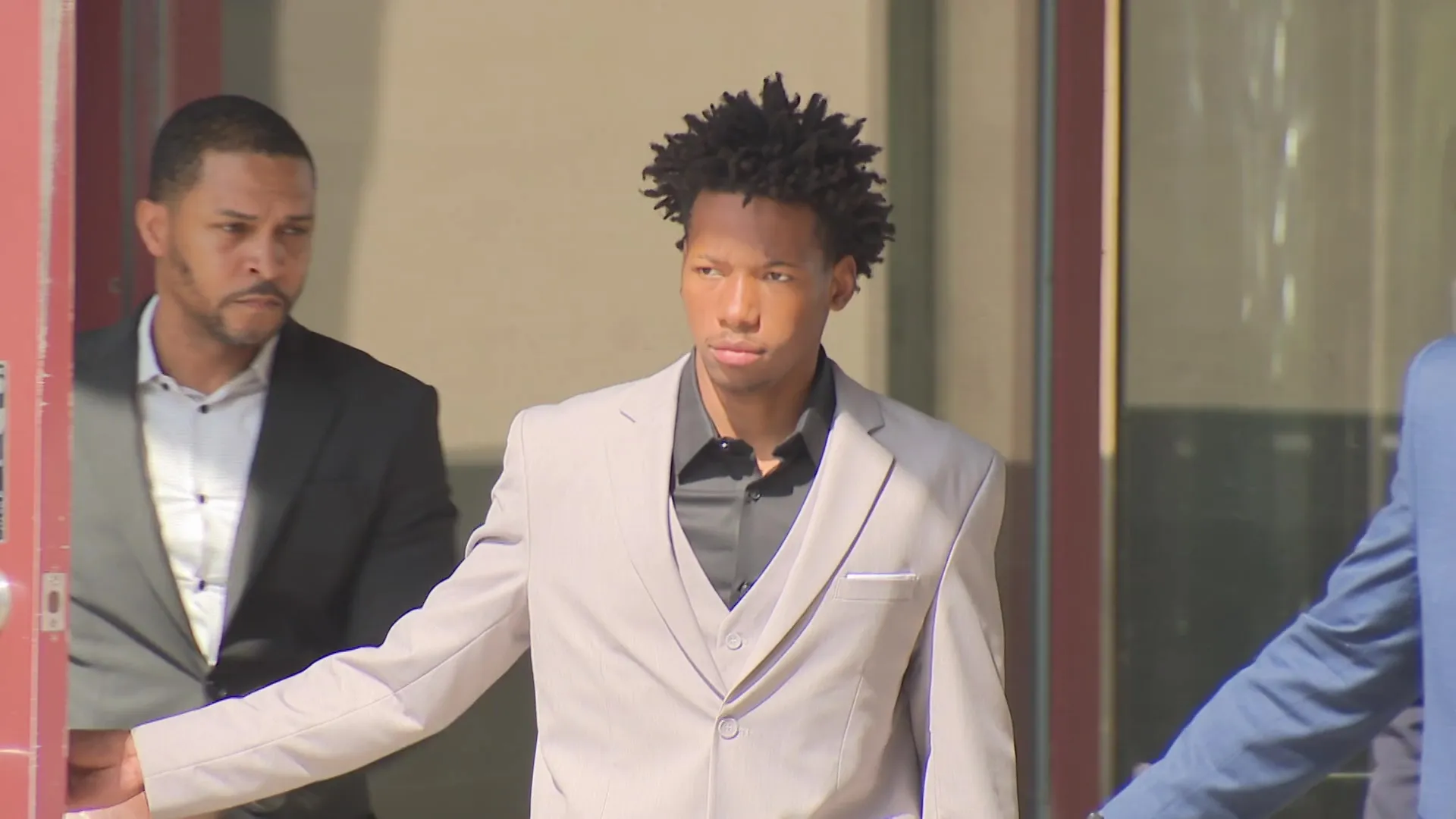
6 attorneys. 35 years. And the case isn’t over. ⚖️ Just days after Karmelo Anthony was sentenced to 35 years in the death of Austin Metcalf, a powerful new legal team announced it is taking over his appeal and conducting a completely independent review of the trial
6 attorneys. 35 years. And the case isn’t over. ⚖️
Just days after Karmelo Anthony was sentenced to 35 years in the death of Austin Metcalf, a powerful new legal team announced it is taking over his appeal and conducting a completely independent review of the trial. The attorneys say they will examine every issue in the record and pursue every available avenue.
Why would 6 experienced lawyers step into one of the country’s most divisive cases after the verdict has already been delivered?
As the appeal officially begins, 1 decision made during the original trial is suddenly back under the microscope… 👇
In a significant development just weeks after his conviction, 19-year-old Karmelo Anthony has assembled a formidable new legal team to challenge his 35-year prison sentence for the murder of Austin Metcalf. The team, composed of prominent appellate, civil rights, and criminal defense attorneys working pro bono, announced its involvement on or around June 23, 2026. This move injects fresh momentum into what has become one of Texas’s most polarizing criminal cases of the year, reigniting debates over self-defense, jury selection, racial dynamics, and adolescent decision-making in high-stress environments.
The case stems from a tragic April 2, 2025, incident at a Frisco Independent School District track and field meet at David Kuykendall Stadium. Heavy rain forced athletes under shelters. Anthony, a standout student-athlete from Frisco Centennial High School with no prior criminal record, ended up in a confrontation with members of the Memorial High School team, including 17-year-old Austin Metcalf. What began as a territorial dispute under a tent escalated rapidly: witnesses described verbal warnings, a push or grab by Metcalf, and Anthony pulling a legal folding knife (prohibited on school property) and stabbing Metcalf once in the chest. Metcalf died from the wound. Anthony was arrested shortly after, admitted the act, and claimed self-defense.
The Trial and Conviction: A Swift but Contentious Outcome
Jury selection began June 1, 2026, in Collin County under Judge John Roach Jr. The trial featured extensive witness testimony from dozens of students and coaches, surveillance and bodycam footage, 911 calls, and medical evidence. Prosecutors portrayed Anthony as the aggressor who entered the rival tent uninvited, issued threats, and escalated a minor push into lethal force. The defense argued self-defense under Texas law, emphasizing Anthony’s smaller stature, being outnumbered, warnings ignored, and a split-second fear of serious harm.
On June 9, after roughly three hours of deliberation, the jury convicted Anthony of murder. They rejected the “sudden passion” argument that could have mitigated the charge. The punishment phase followed swiftly, resulting in a 35-year sentence. Anthony did not testify. His original defense team faced criticism in some circles for strategic choices.
Almost immediately, on June 10, notice of appeal was filed, along with a request for court-appointed counsel due to claimed indigency—despite earlier fundraising efforts exceeding $600,000. Anthony was transferred to state prison. His parents, in emotional post-verdict interviews, described the outcome as devastating, maintained their son acted in self-defense without intent to kill, and questioned aspects of the trial process and public narrative.
Enter the New Legal Powerhouse
The new appellate team, announced in late June 2026, represents a major upgrade in resources and visibility. Led by Russell Wilson II of the Law Office of Russell Wilson II (a former Dallas County prosecutor with nearly 30 years of experience and frequent legal analyst), the group includes:
Michael L. Ware, Director of the Innocence Project of Texas (second chair) — bringing expertise in post-conviction relief and wrongful conviction claims.
Gary Bledsoe, President of the Texas NAACP and a veteran civil rights attorney (third chair).
Brooke Cluse, Chief of Staff at Ben Crump Law — adding high-profile civil rights litigation experience.
Sean Daredia (Daredia Law Firm) and Justin A. Moore (Stafford Moore PLLC) — experienced criminal defense and appellate attorneys.
In a joint statement, the team expressed respect for the profound loss suffered by Metcalf’s family while committing to a “fresh, independent review” of the entire trial record. They pledged to “pursue all available avenues of appeal.” Civil rights attorney Lee Merritt reportedly helped assemble the group.
This pro bono effort stands out because high-caliber teams rarely take on such cases without compensation, signaling strong belief in meritorious issues or broader principles at stake. The involvement of NAACP leadership and Ben Crump associates suggests potential emphasis on claims of racial bias or unequal justice, though the team has been measured in public comments so far.
Likely Grounds for Appeal: Strategy and Challenges
Texas appeals focus on legal errors rather than re-litigating facts. Promising avenues for Anthony’s team include:
-
Jury Selection and Batson Challenge: No Black jurors were seated despite Anthony being Black and Metcalf White. The defense raised a Batson challenge (prohibiting race-based peremptory strikes) when prosecutors struck potential Black jurors (often educators). The judge overruled it, accepting race-neutral reasons. Appellate courts may scrutinize this for pretext. A successful Batson reversal could lead to a new trial.
Self-Defense Jury Instructions and Evidence: Questions about whether the jury was properly instructed on Texas stand-your-ground and deadly force laws. Discrepancies in witness accounts, video evidence interpretation, and Anthony’s immediate statements to police (“He put his hands on me. I told him not to”) may be revisited. Newly released trial exhibits, including videos and 911 calls, continue to fuel public debate.
Evidentiary and Procedural Issues: Potential challenges to admission/exclusion of evidence, effectiveness of counsel, or the chaotic rainy environment’s impact on perceptions of threat. The single-stab nature and knife’s legality outside school property add layers.
Broader Fairness Claims: Publicity, misinformation, harassment of both families, and community tensions could support arguments of an unfair trial atmosphere.
Appeals in Texas typically take 1–3 years or longer. Anthony must serve at least half his sentence (around 17.5 years) before parole eligibility, assuming no reversal. A motion for new trial could still be filed within the 30-day window, though the new team’s timing suggests focus on the appellate track.
Societal Ripple Effects and Public Discourse
The case has divided opinions sharply. Supporters of Anthony view him as a promising young Black man who faced bullying or intimidation and reacted in fear, highlighting self-defense rights and concerns over “stand your ground” application across racial lines. Critics emphasize personal responsibility: Anthony brought the knife, issued warnings that escalated the situation, and chose deadly force over de-escalation or retreat in what many saw as a petty shelter dispute.
Racial framing has been intense on social media, with accusations of bias in both directions. Metcalf’s family has endured doxxing and threats alongside Anthony’s. Both sides lost a future: Metcalf was a talented athlete and student; Anthony had college prospects and a clean record.
The new legal team’s involvement amplifies visibility. Commentators note it could pressure systemic reviews of school event safety, teen knife-carrying, conflict resolution education, and jury diversity in diverse counties. Some legal analysts remain skeptical of reversal success, citing strong prosecution evidence and the jury’s quick deliberation, while others see viable procedural hooks.
Reflections on Justice, Youth, and Second Chances
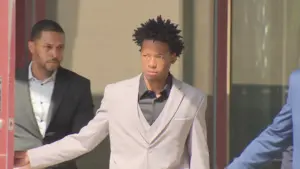
Karmelo Anthony’s appeal, now in powerful hands, represents more than one teen’s fight for freedom. It tests Texas’s justice system on issues of adolescent impulsivity, perceived versus actual threat, and the long shadow of a single irreversible decision. Metcalf’s family seeks closure, having delivered heart-wrenching victim impact statements about their irreplaceable loss.
As the appellate process unfolds, the 336-word letter Anthony reportedly submitted earlier—expressing remorse and his perspective—may gain renewed attention as a humanizing document. Anthony’s parents have vowed to continue fighting, describing their son as a hardworking, high-achieving young man caught in a nightmare.
Broader lessons emerge: Schools must improve supervision and de-escalation protocols during large events. Communities should address youth violence prevention without politicizing every tragedy. And the legal system must balance accountability with fairness, ensuring appeals serve justice rather than endless delay.
The full story remains unfinished. With a high-powered team at the helm, Karmelo Anthony’s case will likely command national attention for years. Whether it results in a new trial, reduced sentence, or upheld conviction, it underscores the high stakes of teenage conflicts in an era of instant scrutiny and polarized narratives. Behind the headlines are two families forever changed by rain, shelter, a push, and a knife under a Texas sky.