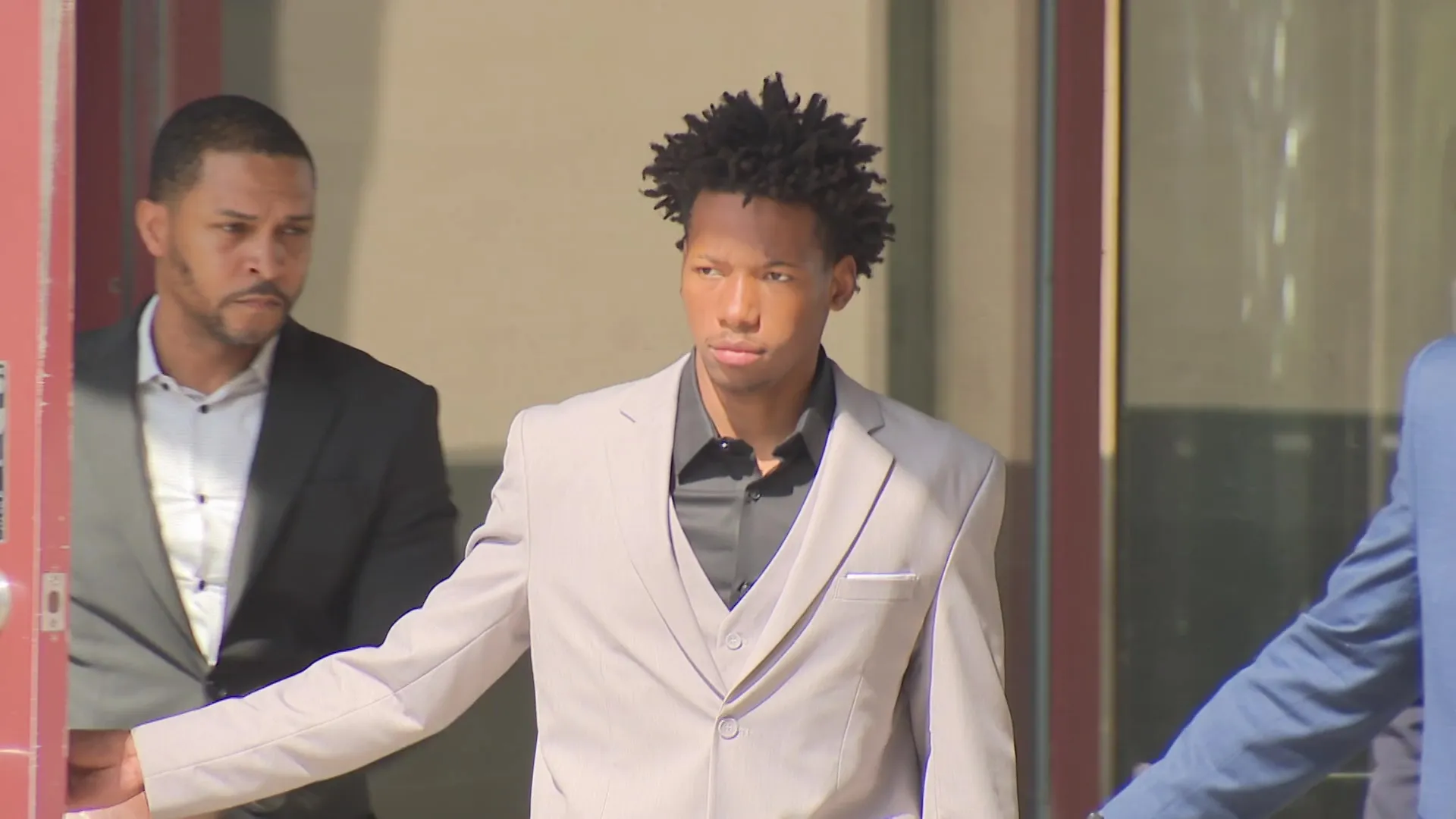
Austin Metcalf’s father says one moment inside the courtroom left him stunned… 😳 According to the family, Karmelo Anthony’s relatives were absent during sentencing and did not deliver victim impact statements. But it’s one empty row inside the courtroom that Austin’s father says he can’t stop thinking about.
In the raw aftermath of one of Texas’s most divisive youth murder trials, Jeff Metcalf, father of slain 17-year-old Austin Metcalf, has publicly condemned Karmelo Anthony’s family for leaving the courtroom after the guilty verdict and absenting themselves from the sentencing phase. The criticism, delivered during emotional interviews in mid-June 2026, highlights deep fractures between the families and underscores the profound pain, absence of closure, and lingering questions of remorse in a case that has gripped national attention.
Metcalf’s comments come just weeks after a Collin County jury convicted 19-year-old Karmelo Anthony of murder on June 9, 2026, and sentenced him to 35 years in prison for the fatal stabbing of Austin at a Frisco high school track meet in April 2025. While Jeff Metcalf expressed a measure of human empathy toward the young defendant, his frustration with Anthony’s parents’ decision to depart early has become a focal point in post-trial discourse.
The Sentencing: A Courtroom of Grief and Absence
Following a swift guilty verdict after approximately three hours of jury deliberation, the punishment phase moved forward. Victim impact statements from Austin’s family, including powerful remarks from Jeff Metcalf and twin brother Hunter, filled the courtroom with raw emotion. Jeff reportedly told Anthony directly: “You failed your parents, you failed yourself and you failed society… You can’t even look me in the eyes right now but you can stab my f**king son in the heart.” He described grief not merely as sadness but as a consuming force, while also stating he had forgiven Anthony personally to avoid carrying hatred.

According to Jeff Metcalf’s account to Fox News host Will Cain and others, Anthony’s family members and some supporters left immediately after the verdict announcement. “They weren’t there for the sentencing and they were not there for victim impact statements,” he said. “They left that poor child up there by himself.” Metcalf contrasted this with what he hoped might have been a moment of accountability or remorse, noting no direct communication or apology from Anthony’s family had ever occurred.
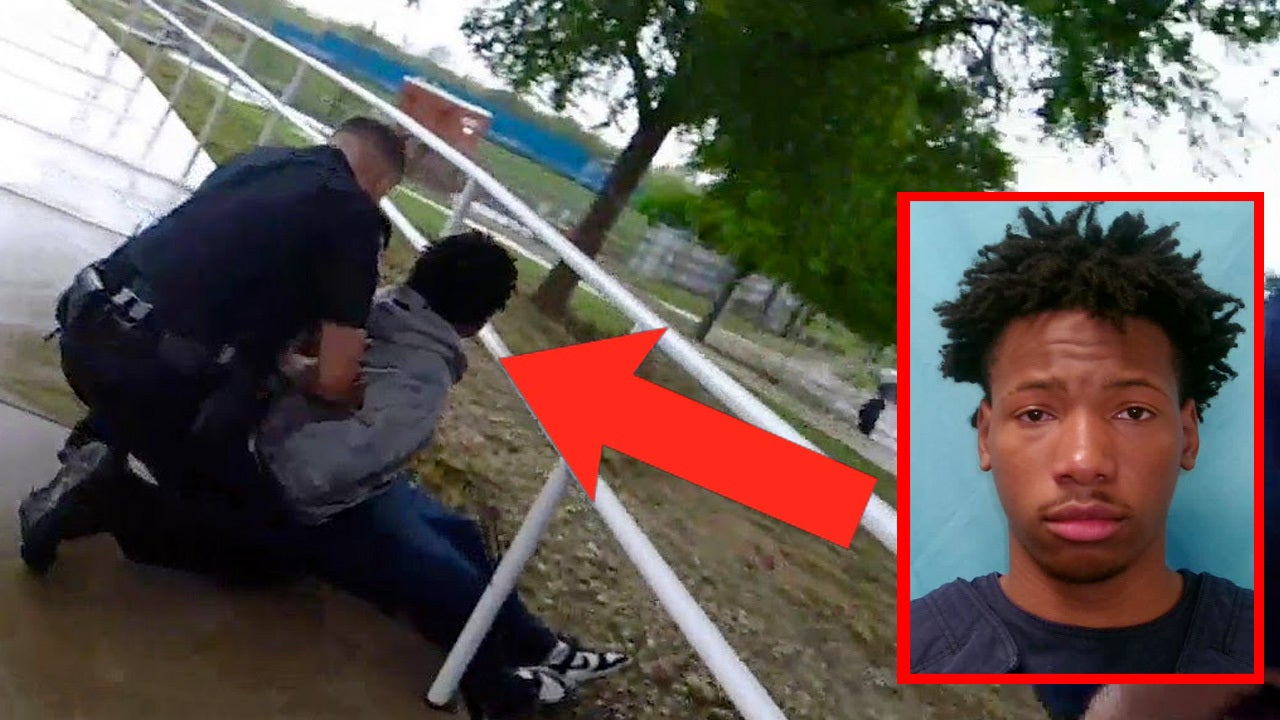
Anthony himself reportedly showed visible distress during sentencing, with his mother in tears. He was quickly remanded into custody and later transferred to a state prison facility. His original defense team faced scrutiny, and a high-profile pro bono appellate team—including civil rights figures—has since taken over the appeal.
Background: A Rainy Day Dispute Turns Deadly
The tragedy unfolded on April 2, 2025, at David Kuykendall Stadium in Frisco during a district track and field meet disrupted by heavy rain. Athletes from multiple schools sought shelter. Karmelo Anthony, a promising student-athlete from Frisco Centennial High School (track captain, football player, part-time worker with college dreams and no prior record), found himself in the Memorial High School tent.
Witnesses offered varying accounts: Anthony was invited over initially but asked to leave multiple times. Verbal exchanges escalated—Anthony allegedly warned others not to touch him while reaching for his backpack. Austin Metcalf, a talented linebacker and standout athlete described as protective of his team and space, reportedly pushed or grabbed Anthony. Anthony then produced a black folding knife (legal to carry in Texas but banned on school property) and stabbed Metcalf once in the chest. Metcalf collapsed and later died at the hospital. Anthony fled briefly but was apprehended, immediately admitting the act and inquiring about self-defense.
The trial, which began jury selection on June 1, 2026, under Judge John Roach Jr., featured dozens of student and coach testimonies, video evidence, 911 calls, and medical examiner reports. Prosecutors argued it was an unjustified escalation and “sneak attack.” The defense maintained self-defense under Texas stand-your-ground principles, citing Anthony being outnumbered, smaller in stature, and fearing serious harm after ignored warnings. The jury rejected both self-defense and the “sudden passion” mitigation, opting for a 35-year sentence.
Jeff Metcalf’s Perspective: Loss, Forgiveness, and Frustration
In multiple post-sentencing interviews, Jeff Metcalf has walked a nuanced line. He described the verdict as “bittersweet,” acknowledging that no sentence could truly compensate for losing his son. “Austin will never walk through that door again,” he said. He expressed sorrow for Anthony’s future—“that poor boy is fixing to experience a life that I would not wish upon anyone”—and emphasized shared humanity: “We’re all humans. We all bleed the same color.”
Yet Metcalf voiced clear disappointment over the lack of direct engagement from Anthony’s family. He noted no apology or personal outreach despite the passage of time and trial proceedings. He criticized what he saw as a rush to politicize and racialize the case rather than focusing on accountability. A press conference by Anthony’s parents in April 2025, where they defended their son, was cited as a turning point that shifted narratives.
Metcalf also addressed ongoing harassment: his family endured multiple swatting incidents, doxxing, and threats amid the racially charged online discourse (Anthony is Black; Metcalf was White). He hoped the tragedy could foster unity but felt it was hijacked by external advocates and media.
Anthony Family’s Side: Heartbreak and “Nobody Wins”
Anthony’s parents, Andrew and others, spoke publicly after the verdict in a CBS interview. Andrew Anthony stated, “It’s unfortunate, it’s where nobody wins. We’ve all been hurt by this. Everybody.” They maintained their son did not intend to kill anyone and acted in a moment of fear, describing him as a hardworking, high-achieving teen whose life was upended.
The family has faced intense public pressure, fundraising for defense (over $600k via GiveSendGo), and now supports a robust appeal. Their decision to leave the courtroom post-verdict has not been fully detailed in public statements, but observers note the emotional toll on defendants’ families during such proceedings can be overwhelming. Supporters argue the focus should remain on perceived trial flaws, such as the all-non-Black jury and Batson challenge issues.
Broader Societal Impact: Race, Remorse, and Adolescent Tragedy
The case has amplified debates far beyond the courtroom. Supporters of Anthony highlighted self-defense rights, potential racial dynamics in a group confrontation, and concerns over jury composition. Critics stressed personal responsibility, the decision to carry a knife to a school event, and the irreversible choice of deadly force in what began as a shelter dispute.
Metcalf’s use of the phrase “watermelon felon” on a podcast drew backlash for invoking racial stereotypes, which he reportedly used provocatively. He has maintained he is not racist and judges actions, not skin color.
The absence of Anthony’s family at sentencing has been interpreted differently: some see it as a failure of empathy or support; others as understandable trauma response amid a hostile environment. Legal experts note that remorse (or its perception) can influence sentencing and public opinion, though the jury’s decision was based on evidence presented.
The Appeal and Path Forward
Anthony’s new legal team— including Russell Wilson II, Michael L. Ware of the Innocence Project of Texas, Texas NAACP President Gary Bledsoe, and associates from Ben Crump Law—announced a thorough review for appeal. Potential issues include jury selection, self-defense instructions, evidentiary rulings, and trial atmosphere. Appeals in Texas often take years, with parole eligibility after roughly 17.5 years.
Meanwhile, Metcalf’s family continues mourning while advocating for awareness around youth conflict, school safety, and de-escalation. Jeff has vowed to oppose parole if alive, or prepare statements otherwise.
Lessons from a Preventable Loss
This latest chapter—Jeff Metcalf’s pointed criticism—humanizes the enduring divide between two families bound by tragedy. Austin Metcalf, remembered as a loving brother, talented athlete, and promising young man, leaves a void no verdict can fill. Karmelo Anthony, once a standout with bright prospects, now navigates the justice system’s long shadow.
The incident prompts urgent questions: How do we better supervise large youth events? Teach conflict resolution and impulse control? Address weapon-carrying among teens? Bridge divides inflamed by social media and racial framing before tragedies occur?
As appeals unfold and families process grief differently, Jeff Metcalf’s words serve as both accusation and lament. The lack of direct communication or presence at key moments symbolizes missed opportunities for understanding, however difficult. In his interviews, Metcalf stressed that both boys could have walked away— a simple truth now lost to irreversible consequences.
Ultimately, this case reveals the limits of the legal system in healing broken hearts. Sentencing provides accountability, but true closure remains elusive without mutual recognition of shared loss. As one father sits with empty chairs at family gatherings and another watches his son enter prison, the rainy Texas afternoon of April 2, 2025, continues to echo—a stark reminder of youth, fear, choices, and the heavy cost of division.