“BULLIED TO DEATH” CLAIM ROCKS GEORGIA: Mother says her 18-year-old son was pushed to the edge by relentless bullying — but investigators are still searching for the full story
“BULLIED TO DEATH” CLAIM ROCKS GEORGIA: Mother says her 18-year-old son was pushed to the edge by relentless bullying — but investigators are still searching for the full story.
David Crawford was found dead just days before he was supposed to begin his senior year.
His family says rumors spread about him after an incident at school, classmates began shunning him, and he became increasingly isolated.
The most painful part? His mother says she asked what was wrong — and David kept telling her, “It’s fine.”
Now, students are allegedly coming forward with information his family never knew while David was alive.
The details coming out now are raising even more questions about what really happened behind the scenes — drop your thoughts in the comments.

**“BULLIED TO DEATH” CLAIM ROCKS GEORGIA: Mother Says Her 18-Year-Old Son Was Pushed to the Edge by Relentless Bullying — But Investigators Are Still Searching for the Full Story**
Just days before he was supposed to begin his senior year at Jackson High School, 18-year-old David Crawford was found dead on a walking trail near his home in Jackson, Georgia. The date was August 4, 2026. According to his family, the cause was a self-inflicted gunshot wound. In the days that followed, his mother delivered a stark and painful assessment: “I do believe that my son was bullied to death.”
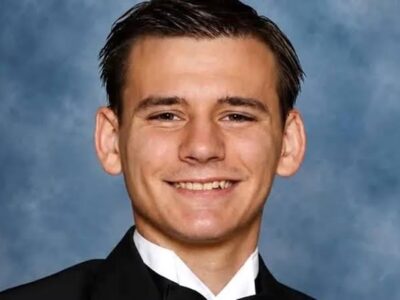
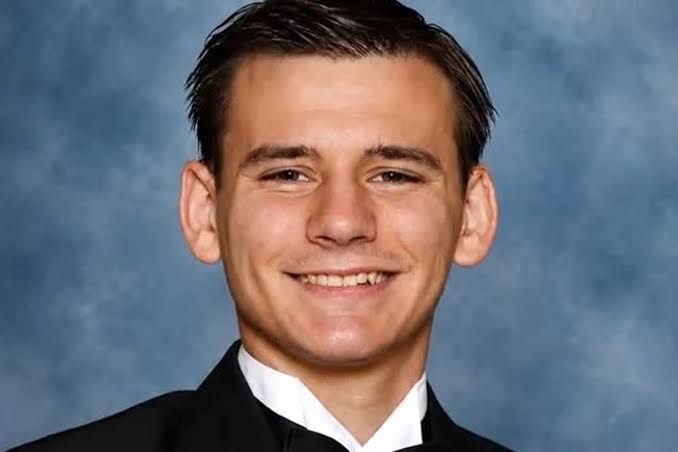
The statement has reverberated through Butts County and beyond. David was remembered as an outstanding student, the ROTC Cadet of the Year, a history buff, a Johnny Cash fan, a young man of deep Christian faith, and someone who routinely checked on friends who were struggling. He worked out regularly, held jobs at local spots, and was known for walking through town and greeting people. He was about to turn 19 the following month. His death has left a community in mourning and raised difficult questions about what happened behind the scenes in the months leading up to that final day.
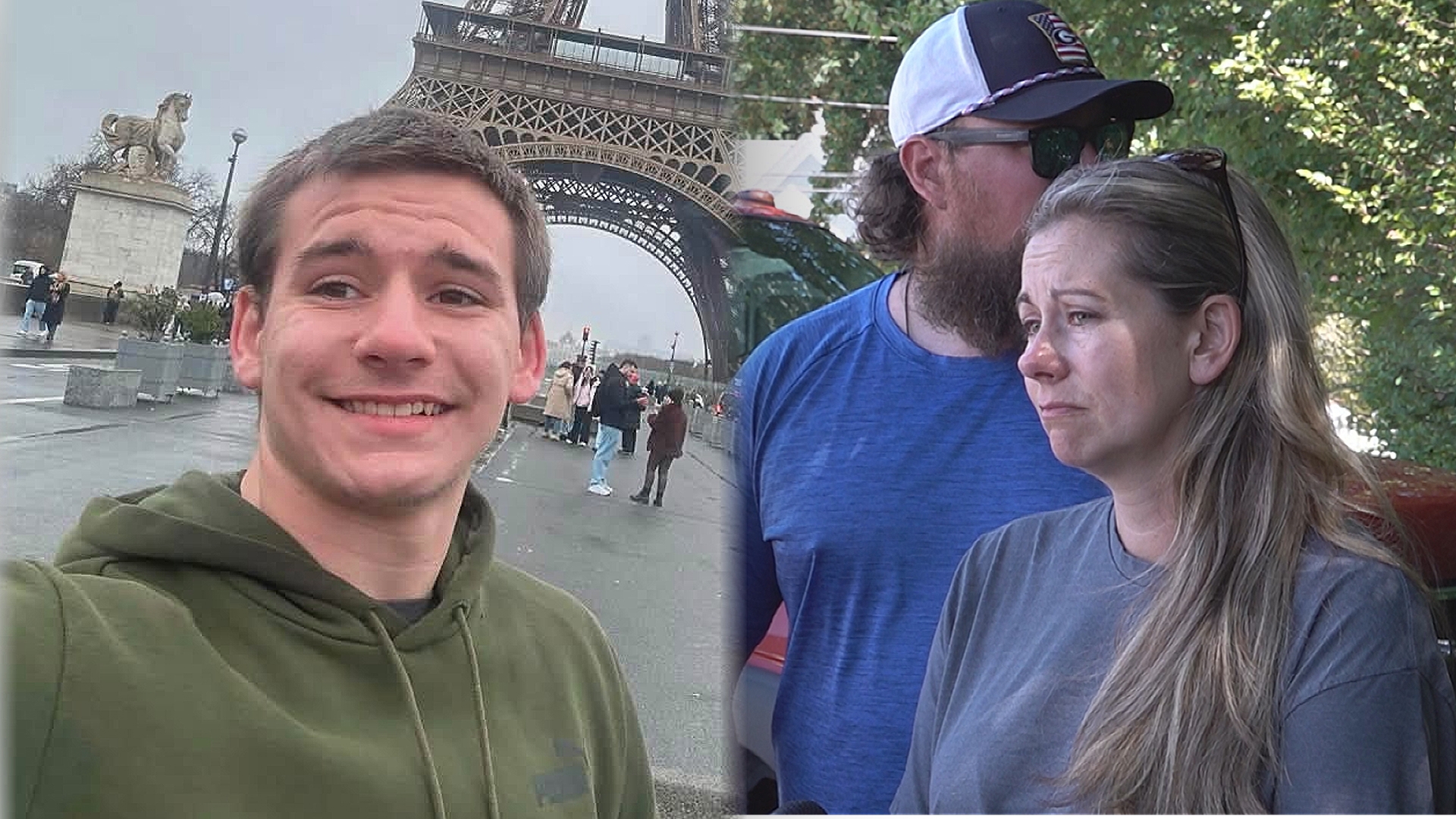
According to his mother, Summer Crawford, and other family members, David’s outgoing personality masked private battles he rarely discussed at home. They say that after an incident at school the previous year, rumors spread about him. Classmates began shunning him. He became increasingly isolated. When his mother noticed he seemed down and asked what was wrong, his responses were consistent and deflecting: “I don’t want to talk about it,” or simply, “It’s fine.” She has said she tried to keep open lines of communication with all her children, but David kept the full weight of what he was experiencing to himself.
In the days since his death, the family says students and others have begun coming forward with details they never knew while David was alive. Those accounts, according to the Crawfords, describe persistent harassment and social isolation that intensified over time. The family believes the rumors and the subsequent treatment by peers played a significant role in the despair that ultimately claimed his life. At the same time, they have been careful to stress that they do not want the situation to spiral into harassment or threats against anyone. “As Christians, we want to put out there that… we don’t want this to turn into another situation,” his sister Cheyenne Crawford said. “We don’t want anyone hating or posting or cyberbullying or saying things or harassing anyone that is suspected.”
The Georgia Bureau of Investigation is assisting the Jackson Police Department. Investigators have David’s phone as part of the inquiry and are working to determine what led up to his death. The official cause has not been publicly detailed by authorities beyond the family’s account, and the investigation remains active. The family has called for a thorough and fair process while simultaneously urging the public not to take matters into their own hands.
David’s aunt, Kerrie Monti, established a GoFundMe to help cover funeral expenses. In her message on the page, she wrote that on August 4 David “made a decision that tragically ended his life dealing with battles unseen and unknown,” and that the family was still in shock. She described him as the sweetest, kindest young man, incredibly smart, a true history buff who loved Jesus and was deeply loved in return. The heartbreak of losing a child, she noted, is beyond words—especially a firstborn. Visitation was scheduled for August 10 and the funeral for August 11 at Heritage Baptist Church in Locust Grove.
Jackson High School and the Butts County School System issued a joint statement calling David’s death a “devastating loss.” Officials described him as an outstanding student and a valued member of the NJROTC program who would be deeply missed by classmates, teachers, and the entire school family. Counseling services were made available to students and staff. The City of Jackson released its own statement of profound sorrow, asking the community to come together in prayer for the Crawford family and to honor David’s memory by striving to be a place defined by compassion, kindness, and unity.
The portrait that emerges from family accounts is of a young man who was both deeply connected and profoundly isolated. He was the person friends turned to when they were struggling, including those who had spoken about suicide. He was active in his church and in ROTC, where he earned recognition as Cadet of the Year. He took pride in those roles. Yet at school, according to the family, the social landscape shifted against him after the earlier incident and the rumors that followed. The shunning, they say, was effective enough that he largely stopped talking about it at home. The most painful element for his mother has been the repeated reassurances that everything was “fine” when it clearly was not.
This dynamic—where a teenager absorbs the impact of peer rejection and harassment while minimizing it to the adults who love them—is one of the most difficult patterns in cases involving youth mental health and bullying. Families often learn the full extent of what their child endured only after it is too late. In David’s case, the family says that pattern played out in real time. Support and information have poured in since his death. “Everyone is speaking up now, and it does mean something,” his sister said. “But in the end, it can’t. No one spoke up when it was happening.”
The family is using the moment to issue a broader plea. They are urging students, teachers, and parents to intervene when they see someone being repeatedly targeted. “If you see this happening, if you see someone being picked on, being constantly harassed—say something,” Cheyenne said. “Just say something when it’s around.” They want the investigation to be complete and fair. They also want the story to serve as a warning that silence in the face of ongoing harm carries its own cost. Their message is not one of vengeance but of prevention: no other family should have to navigate this particular grief.
The larger context is sobering. National data has long shown that a significant percentage of teenagers report being bullied, with lasting effects on mental health, academic performance, and social development. In severe and prolonged cases, the isolation and shame can contribute to despair. At the same time, suicide is almost always multifactorial. Mental health conditions, personal struggles, family dynamics, and external stressors can all intersect. Investigators are tasked with examining the full picture rather than any single narrative. The family’s claim that bullying was a decisive factor is clear and public; whether and how that claim is substantiated remains part of the ongoing inquiry.
David’s sister offered one of the most direct responses to the kind of hopelessness that can overtake a young person in crisis. She rejected the idea that the world simply continues without someone. “The world does stop,” she said. “If you’re thinking ‘The world would be better off without me, the world will keep on going.’ The world does stop. It all stops.” For the Crawford family, that stop has been absolute. Summer Crawford has described the forced navigation of an entirely new life. “You’re forced to live a new life. This is our new life that we are learning how to navigate,” she said. “I don’t know how we will get through it other than God.”
In the immediate aftermath, the community has responded with statements of support, offers of counseling, and practical help through the GoFundMe. David is survived by his parents, two brothers, and two sisters. Those who knew him have spoken of his kindness, his intelligence, his faith, and his readiness to show up for others. The gap between that public character and the private isolation he apparently endured is one of the elements that makes the family’s account so piercing.
As the investigation continues with assistance from the GBI, the central questions remain unresolved in the public record. What exactly occurred in the school environment in the months before August 4? How widespread was the alleged harassment, and what, if anything, did school officials know? What additional factors, if any, contributed to David’s state of mind? The family has identified individuals they believe were involved but has deliberately stopped short of public accusations that could fuel further conflict. Their priority, they have said, is a complete investigation and a change in how peers and adults respond when someone is being targeted.
The case has already prompted local discussion about the responsibility of bystanders, the limits of what parents can know when a teenager chooses silence, and the systems schools have in place to address persistent peer aggression. Those conversations are necessary, but they do not restore what has been lost. David Crawford will not begin his senior year. He will not turn 19. The history debates, the Johnny Cash songs, the workouts, the walks through town, and the quiet encouragements he offered to struggling friends have all stopped.
For anyone reading this who is struggling, or who knows someone who is, help is available. The 988 Suicide & Crisis Lifeline can be reached by calling or texting 988, or by chatting at 988lifeline.org, 24 hours a day. Local resources and school counseling services also exist for students affected by this tragedy.
The Crawford family’s public statements have been marked by grief, faith, and a determination that David’s death not be met with silence. They believe bullying played a decisive role. Investigators are still assembling the full story. In the space between those two realities lies a community forced to confront hard questions about how young people treat one another, how adults respond, and how much pain can remain hidden even from those who love a teenager most. David’s mother has said she does not want any other parent to experience this particular pain. That hope now rests on whether the conversations his death has forced will produce lasting change—or whether the next family will also learn the hardest truths only after it is too late.