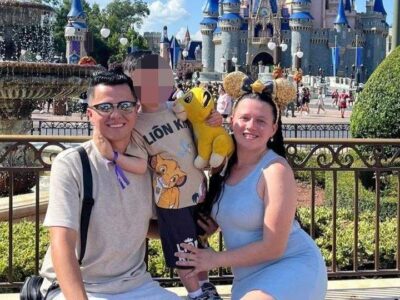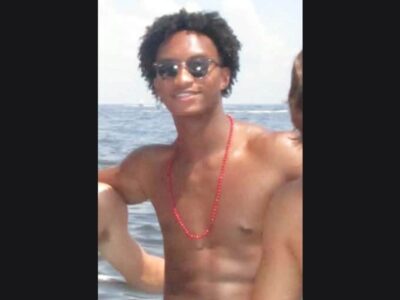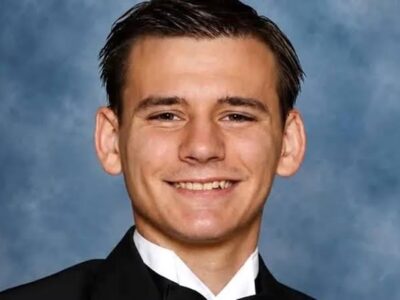
I WISH we NEVER went: 3 Friends Of Nolan Wells Break Their Silence About The Day That Changed Everything More than 1 month after Nolan Wells’ death, his friends Warren Hudson, Jax Pitalo and Morgan Seymour say they deeply regret making the July 4 trip to Horn Island. Their latest comments reveal the emotional toll of that day, while they also push back against what they describe as a race-based narrative surrounding the case. The friends say they wish they had never made that trip—and their blunt reflection is adding another emotional layer to the ongoing investigation. Full story in the comments👇
Three of Nolan Wells’ closest friends have spoken out with raw regret about the Fourth of July trip to Horn Island that ended in tragedy, saying they wish they had never gone and believing the 18-year-old would still be alive if the group had simply stayed home.
Warren Hudson, Jax Pitalo and Morgan Seymour appeared in an interview with YouTuber and podcast host Brandon Tatum on “The Officer Tatum Show,” joined by their attorney J. Tyler Cox. Clips from the sit-down, obtained and shared by TMZ ahead of the full episode’s release, capture the young men reflecting on the day, the accusations that followed, and the heavy personal toll of the past month.
Hudson was direct about the weight of hindsight. “I wish we would have never went out,” he said, explaining that he thinks every day about what might have been done differently. The group has maintained that Wells was like a brother to them. In the interview they pushed back hard against suggestions that race played any role in his death or in the events of July 4.
Pitalo described their friendship with Wells as the opposite of racism. Seymour criticized the speed with which media and online commentators advanced theories before local investigators had completed their work. The three men and their lawyer also addressed a persistent theory that Wells had been on their boat — the Triton — during a frantic call for towing assistance when the vessel began taking on water. They pointed to video of the boat during that call and said Wells is not visible. Hudson and Pitalo questioned why the group would have contacted Sea Tow and later the Coast Guard if Wells were already dead on board. Cox called the decision to seek official help one of the strongest indicators of their innocence, describing their actions as those of “innocent men, not guilty men.”
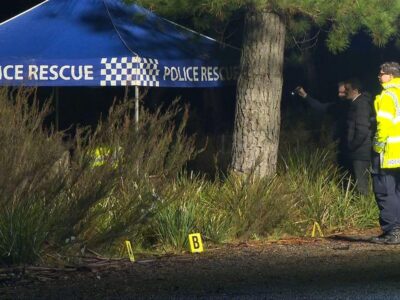
The comments come more than a month after Wells disappeared during a large Independence Day gathering on Horn Island, an uninhabited barrier island roughly 10 miles off the Mississippi Gulf Coast. Wells, a student-athlete from Ocean Springs and a wide receiver for Southwest Mississippi Community College, traveled to the island with friends on the morning of July 4. Later that afternoon, according to accounts from the group, their boat experienced a bilge pump failure and began taking on water. They say Wells chose to remain on the island, telling them he would return later with another group after talking with a young woman he had met. The friends left. Wells did not return. His family reported him missing late that night. A multi-agency search followed. On the morning of July 6, a National Park Service ranger found his body on the northwest shoreline of the island. He was identified through dental records.
Jackson County Sheriff John Ledbetter initially stated that no foul play was suspected and that drowning was a possible circumstance, citing the area’s strong currents. The investigation has remained open. Official autopsy findings from the Mississippi State Medical Examiner’s Office have not been released publicly and are expected to stay sealed pending grand jury review. An independent autopsy commissioned by the Wells family and performed by forensic pathologist Dr. Roger A. Mitchell Jr. ruled the cause and manner of death undetermined pending further investigation. Mitchell noted an area of red discoloration on the back of Wells’ skull whose origin could not be determined and found no associated fractures or external wounds in that region.
Wells’ parents, Christine and Elmore Wonsley, retained high-profile civil rights attorney Ben Crump. The family has expressed deep skepticism about the official accounts, particularly the claim that Wells voluntarily stayed behind without his phone or keys. They have highlighted what they see as inconsistencies in witness statements and have raised broader questions about the thoroughness and transparency of the local investigation. Crump has publicly noted the racial dynamics of the case — Wells was Black and many of those on the boat with him were white — and has suggested that the response might have been different had the roles been reversed. Figures including the Rev. Al Sharpton have also drawn attention to Mississippi’s history of racial injustice in discussing the need for a complete inquiry.
Those comments have fueled intense online speculation and, according to the friends and their families, a wave of threats and harassment. Hudson, Pitalo and Seymour have said they and their relatives received death threats, online abuse and in-person intimidation. Some were unable to attend Wells’ funeral for safety reasons. A GiveSendGo campaign launched on their behalf describes the young men as having been “inundated with death threats, threats of violence, and defamation” and falsely blamed for Wells’ death. The page criticizes what it calls invented narratives spread without accountability. Federal authorities have charged multiple people from outside Mississippi with making interstate threats related to the case, including threats against a local judge (Hudson’s mother, Jackson County Chancery Court Judge Ashlee Cole), witnesses and county offices.
Other friends of Wells have also rejected a racial framing of the death. Tracestin Shepherd and Jayvon Williams, both Black and close to Wells, have publicly stated that the case should not be turned into “a race thing.” Shepherd has said everyone in the friend group loved Wells and that the racial narrative being advanced does not reflect reality. Williams has noted that mixed-race friend groups are common in Ocean Springs and that unanswered questions about the death do not automatically make it a racial matter. Both have described receiving threats themselves.
The latest interview with Hudson, Pitalo and Seymour adds a layer of personal remorse to the public record. Their expression of regret — the wish that the group had never gone out that day — sits alongside their continued insistence that they had nothing to do with Wells’ death and that the decision to seek help for a sinking boat demonstrates their lack of guilt. Their attorney has framed the contact with towing services and the Coast Guard as behavior inconsistent with a cover-up.
As the investigation continues, core questions remain unresolved. How and when did Wells enter the water? Was he conscious? What exactly was said and decided in the final interactions on the island? Why was his phone left behind? How do the various witness accounts align or conflict when examined against digital evidence, video and the timeline of boat movements? The independent autopsy left those matters open. The official autopsy results are still pending public release. Digital evidence, including phone records and social media content, is under review by investigators with assistance from federal partners on certain aspects.
The friends’ recent comments underscore the human cost on all sides of the tragedy. For Wells’ family, the loss of a son remains raw and the demand for answers urgent. For the young men who were with him that day, the loss of a friend has been compounded by public suspicion, threats and the knowledge that a single decision to leave the island has left them permanently marked by what followed. Their stated regret is straightforward: if they had stayed home, they believe Nolan Wells would still be alive.
Whether that sentiment alters the course of the investigation or the public conversation is unclear. What is clear is that more than a month after the body was found on Horn Island, the people closest to the events of July 4 continue to live with the consequences — some seeking answers, others defending their actions and character, and all of them still waiting for a definitive accounting of how an 18-year-old’s holiday outing ended in death.