CHILLING TWIST: A Brisbane woman allegedly killed by her former partner had spoken to police just days before her death, adding a deeply troubling new layer to the case. She had already reached out for help — but what happened in the final days before the fatal turn is now at the centre of the investigation…
A 27-year-old Queensland woman who was allegedly murdered by her former partner in the early hours of Wednesday, 12 August 2026, had contacted police in the days leading up to her death about domestic and family violence-related issues. The revelation, confirmed by senior investigators, has added a further layer of scrutiny to a case already marked by tragedy and questions about the effectiveness of protective systems.
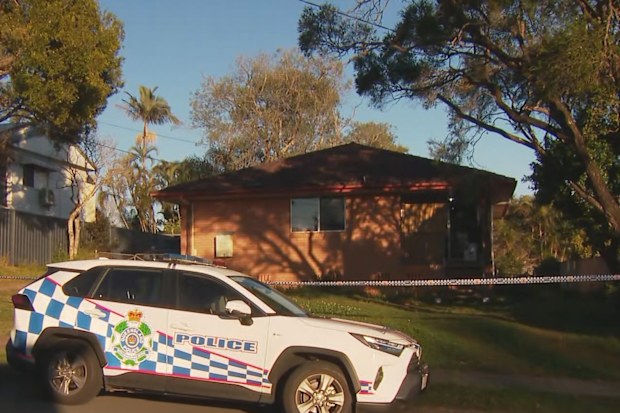
The woman, from Woody Point on the Redcliffe Peninsula, was found unresponsive in a bedroom at a home on Rowanda Street in Slacks Creek, Logan, south of Brisbane. Emergency services were called to the address just before 12.30am after the 37-year-old man, later identified as Brisbane musician Ronald Cora, also known as MC Triks, allegedly dialled Triple Zero and reported that the woman was unresponsive following an assault. Paramedics and police performed CPR, but she could not be revived and was declared dead at the scene around 1am. Preliminary investigations indicated she died of asphyxiation.
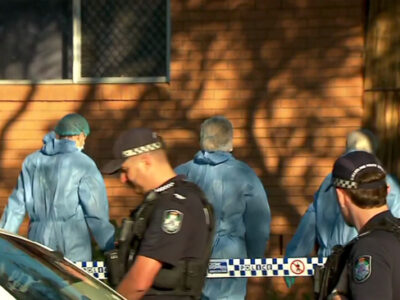
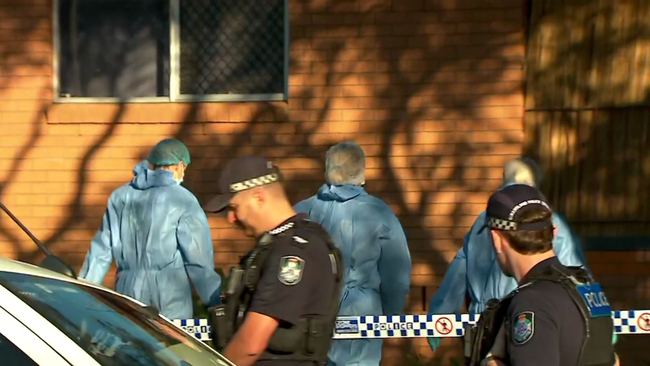
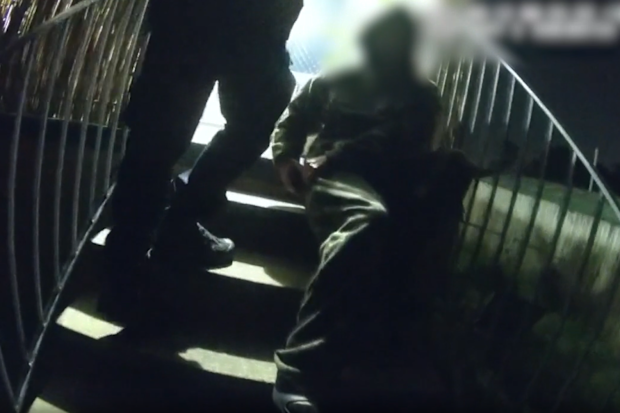
Cora was arrested at the property and charged with one count of murder as a domestic violence offence, along with contravention of a domestic violence order. He was refused police bail and is due to appear in Brisbane Magistrates Court on Thursday, 13 August 2026. Police body-worn camera footage from the scene showed a man sitting on the front steps of the home before being taken into custody. Forensic crews continued examining the property as a crime scene.
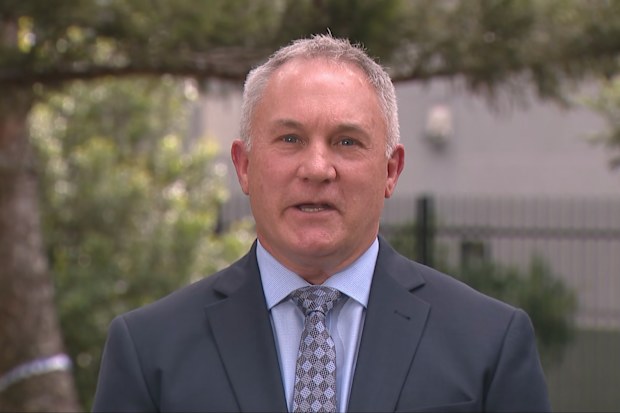
Detective Inspector Ian Galpin of Queensland Police addressed media about prior contact between the victim and authorities. “What I can tell you is that within the last 10 days, police did have contact with this woman in relation to domestic and family violence-related issues,” he said. Galpin added that police had initiated proceedings against the man in the preceding days. He expressed the view that officers had been thorough in their investigation and in offering the woman support, and that other support services had been engaged.
Galpin could not confirm the length of the former relationship or the period of separation, and he did not elaborate on the specific allegations of violence that had been raised. He clarified that the pair had not lived together during their relationship and that no one else was believed to have been present at the Slacks Creek home at the time of the alleged murder. The investigation remains ongoing.
The confirmation of recent police contact has focused attention on the critical period immediately before the woman’s death. In domestic and family violence cases, contact with police often represents a moment of heightened risk. Victims who seek help can face escalated danger if perpetrators become aware of the intervention or if protective measures prove insufficient. Queensland, like other Australian jurisdictions, operates under a framework of domestic violence orders, risk assessments and referrals to support services. The existence of a domestic violence order in this case, and the fact that proceedings had been initiated against Cora in the days prior, indicate that the system had been activated. Whether those measures provided adequate protection is a question that will likely be examined further as the investigation and any subsequent reviews proceed.
Cora has been a known figure in Brisbane’s hip-hop community for several years under the stage name MC Triks. He maintained a social media presence with thousands of followers and had performed in the local scene. The charges against him have drawn public attention partly because of that profile, yet the core of the case remains the death of a young woman and the alleged role of her former partner. Police have been careful to emphasise that the matter is before the courts and that the accused is entitled to the presumption of innocence.
The victim has not been publicly named, consistent with common practice in the early stages of such investigations and out of respect for her family. She has been identified only by her age, her residence in Woody Point, and her status as the former partner of the accused. The loss has left her family and friends confronting both personal grief and the public nature of a high-profile domestic violence homicide.
Domestic and family violence continues to exact a heavy toll across Australia. Each year, dozens of women are killed by current or former intimate partners. Many of those deaths occur after prior contact with police or support services. Advocates consistently stress that the period following a separation or the taking out of a protection order can be one of elevated risk. Effective responses require not only the issuing of orders but also timely enforcement, risk assessment that accounts for escalating patterns, and accessible support for those seeking to leave violent relationships. Detective Inspector Galpin’s public comments indicate that police believe appropriate steps were taken in this instance. Independent examination, whether through internal processes, coronial inquiry or other mechanisms, may later provide further clarity.
The Slacks Creek property has been the focus of forensic examination. Investigators are working to establish a precise timeline of events inside the house, the nature of any injuries, and any digital or other evidence that may shed light on the hours and days leading up to the Triple Zero call. The fact that Cora allegedly made the emergency call himself is a detail that will form part of the broader evidentiary picture presented in court.
For the broader community, cases of this kind serve as painful reminders of the gap that can exist between the recognition of risk and the prevention of fatal violence. Support services report that many victims face barriers to seeking help, including fear of not being believed, concern for children, economic dependence, and the psychological effects of prolonged control and abuse. When a victim does make contact with police, the response of the system becomes critical. In this instance, the woman did reach out in the days before her death. That contact, and the subsequent initiation of proceedings against her former partner, will be part of the record that investigators and, ultimately, the courts will examine.
Cora remains in custody. His first court appearance is expected to deal with formal charges and bail considerations. The prosecution will prepare a brief of evidence that includes the circumstances of the death, the history of the domestic violence order, records of recent police contact with the victim, and forensic findings. The defence will have the opportunity to test that evidence. The process will take time, and public comment must remain mindful of the need not to prejudice the proceedings.
In the meantime, Queensland Police continue to appeal for any information that may assist the investigation. Anyone with relevant knowledge is asked to contact police. For those experiencing domestic or family violence, or who are concerned about someone else’s safety, confidential support is available. The national service 1800RESPECT can be reached on 1800 737 732. The Crisis Care Helpline operates on 1800 199 008. These services provide advice, safety planning and referrals.
The death of the 27-year-old Woody Point woman is a profound loss. The confirmation that she had spoken to police about domestic violence issues in the days before she was killed underscores both the courage required to seek help and the persistent challenges of keeping victims safe once risk has been identified. As the investigation continues and the court process begins, the focus remains on establishing the full circumstances of what occurred on Rowanda Street and on examining what more might have been done to prevent another preventable death. The community, the justice system and support services are once again confronted with the human cost of intimate partner violence and the urgent need for responses that match the scale of the problem.