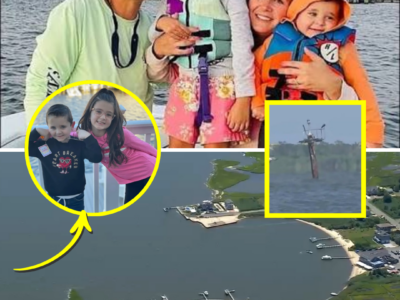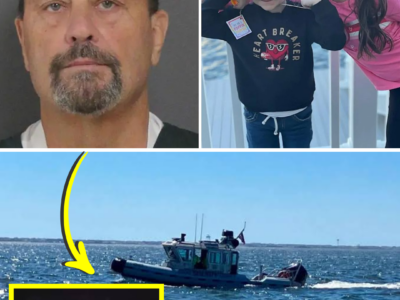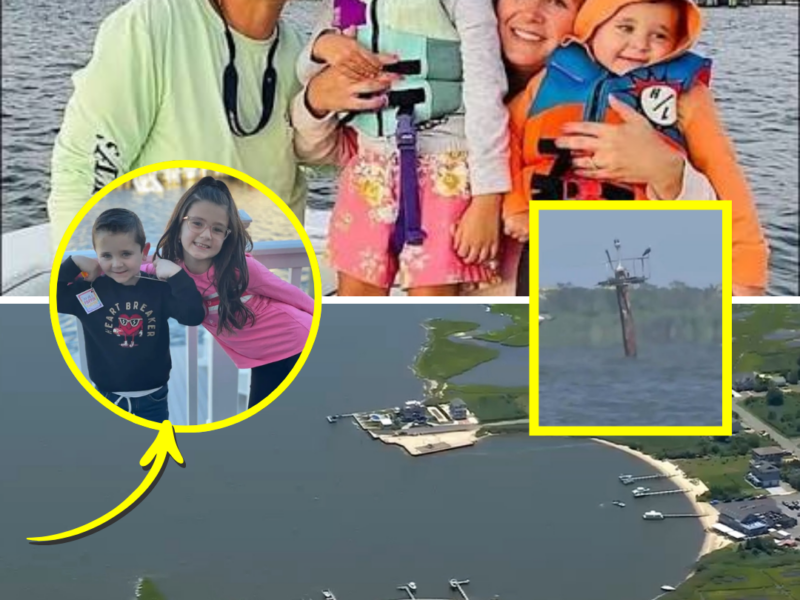
The light was still on, but it played a role: the boat’s CCTV revealed everything. A boat approximately 30 feet long crashed into a fixed navigation marker in the middle of Barnegat Bay at night, throwing two children overboard. Prosecutors focused on allegations that 64-year-old millionaire Stephen Schneider was operating the boat while under the influence of alcohol. However, the defense raised questions regarding the condition of the marker’s light at the time of the incident. Yet, CCTV footage from a nearby boat revealed the whole story.

**The Light Was Still On: Navigation Aids, Onboard Cameras, and the Questions Raised in the Barnegat Bay Crash**
On the night of July 19, 2026, Stephen Schneider’s approximately 30-foot Tidewater center-console boat struck Intracoastal Waterway channel marker No. 39 in Barnegat Bay. The impact threw 9-year-old Mya Bella Golabek and 7-year-old Sigmund Paul Golabek into the water. Both children died. Prosecutors have centered their case on allegations that Schneider, then 64, was operating the vessel while significantly impaired by alcohol, with a blood alcohol content later measured at 0.16 percent. The defense has pointed to questions about the condition of the marker’s light at the moment of the collision. Public reporting and court documents contain no confirmation of external CCTV footage from a nearby boat that “revealed the whole story.” What the record does show are statements about the marker’s illumination, Schneider’s own navigation equipment, and the ongoing dispute over visibility.
Official accounts have consistently described the marker as an illuminated navigational aid. Investigators noted that channel marker No. 39 is a single-stanchion illuminated aid. Berkeley Township Councilman James Byrnes stated shortly after the crash that the marker’s lights were fully functioning and working that night. Multiple news reports quoting police and local officials repeated that the lights on the channel marker were operating properly at the time of the collision. Schneider himself told detectives he saw the marker “at the last second” before the starboard bow struck it while traveling at about 20 mph.
Schneider also told investigators that his boat’s radar and an infrared/low-light night navigation camera were turned on at the time. According to the affidavit of probable cause, he said he had spent his entire life on boats, lived close to the restaurant where the family had dined, and had traveled the route numerous times. Those onboard systems—radar and a low-light or infrared camera—are common aids for night navigation on waters such as Barnegat Bay. Their activation, if confirmed, would form part of the factual picture of what equipment was available to the operator in the darkness. No public reports have described recovered footage from those systems being released or introduced as decisive evidence that “revealed everything.”
At a detention hearing, defense counsel noted that investigators were still examining whether the channel marker was lighted or unlighted at the exact moment of the crash. That statement introduced a point of potential dispute. Navigational markers can experience temporary outages, reduced intensity, or visibility challenges caused by angle of approach, background lighting, weather, or the operator’s own condition. Prosecutors have not publicly retreated from the position that the marker was illuminated and functioning. The combination of an illuminated marker, an operator who reported seeing it only at the last second, activated onboard radar and low-light camera, and a measured BAC of 0.16 percent remains the core of the documented conflict.

No verified reporting has confirmed the existence of external CCTV or video from a nearby vessel that captured the collision itself. Claims that such footage “revealed the whole story” do not appear in court documents or contemporaneous coverage from major local outlets. Investigations into boating collisions often seek any available video—from other boats, shore cameras, or the involved vessel’s own systems—but the public record in this case has focused on the toxicology results, Schneider’s statements about his alcohol consumption and equipment, the children’s positions and life jackets, the timing of the emergency call, and the official description of the marker as illuminated.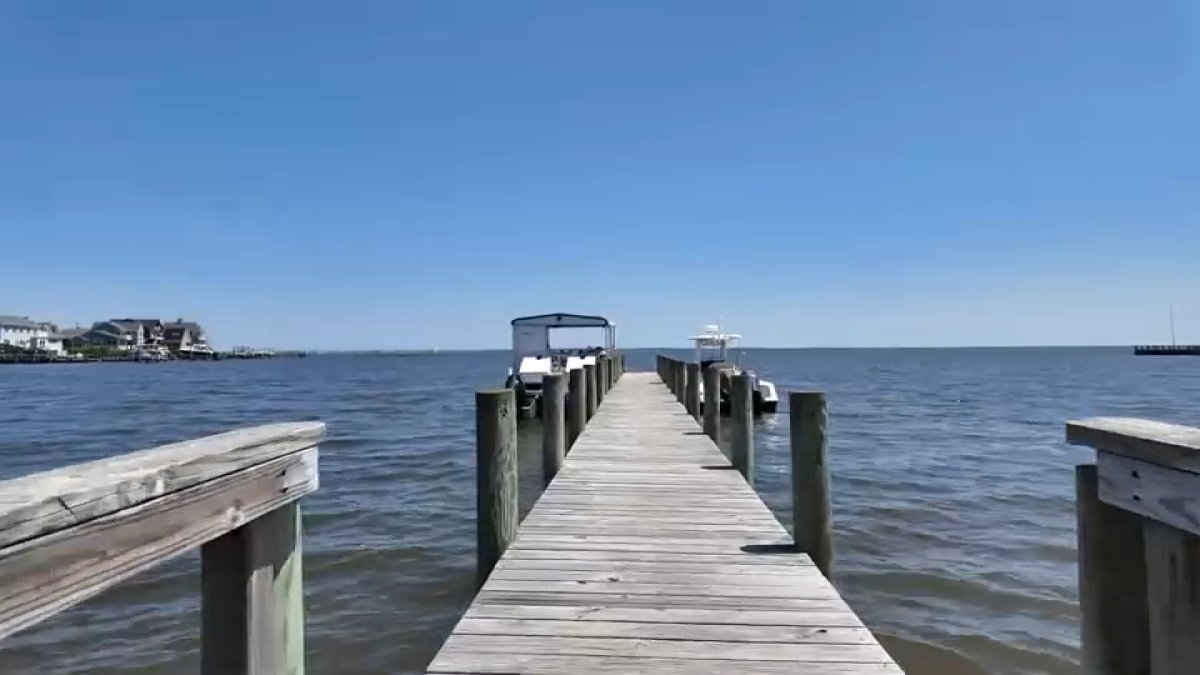
The light on marker No. 39, according to early official statements, was still on. Whether that light was sufficiently visible, whether the onboard camera and radar provided usable information, and how impairment affected Schneider’s ability to detect and avoid the fixed structure are questions that the legal process will continue to examine. The children were ejected, recovered unresponsive, and pronounced dead. The technical details of illumination and navigation aids now sit alongside the toxicology evidence as elements that both sides may contest. Until any additional video or forensic analysis of the marker’s light status is formally introduced and tested in court, the public record rests on the statements already given: an illuminated marker, an operator who reported seeing it late, activated onboard aids, and a high blood-alcohol reading.