THE BRACELET THAT WAS SUPPOSED TO HELP FIND SAYLOR HAYES NEVER LEFT VIRGINIA
THE BRACELET THAT WAS SUPPOSED TO HELP FIND SAYLOR HAYES NEVER LEFT VIRGINIA.
It wasn’t lost during the search.
It wasn’t damaged.
According to investigators, it had been removed before the family began their trip.
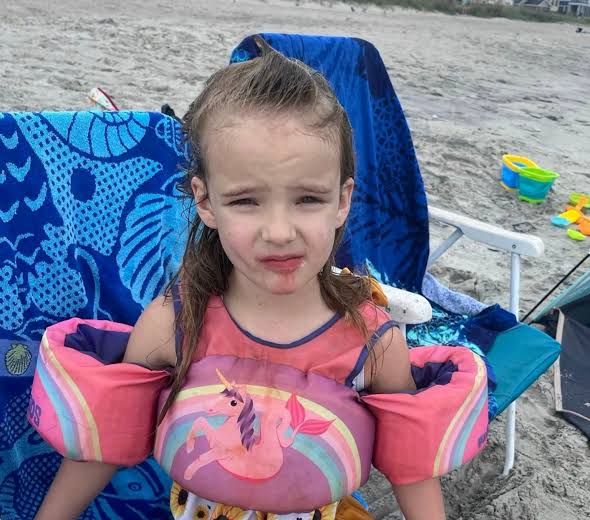
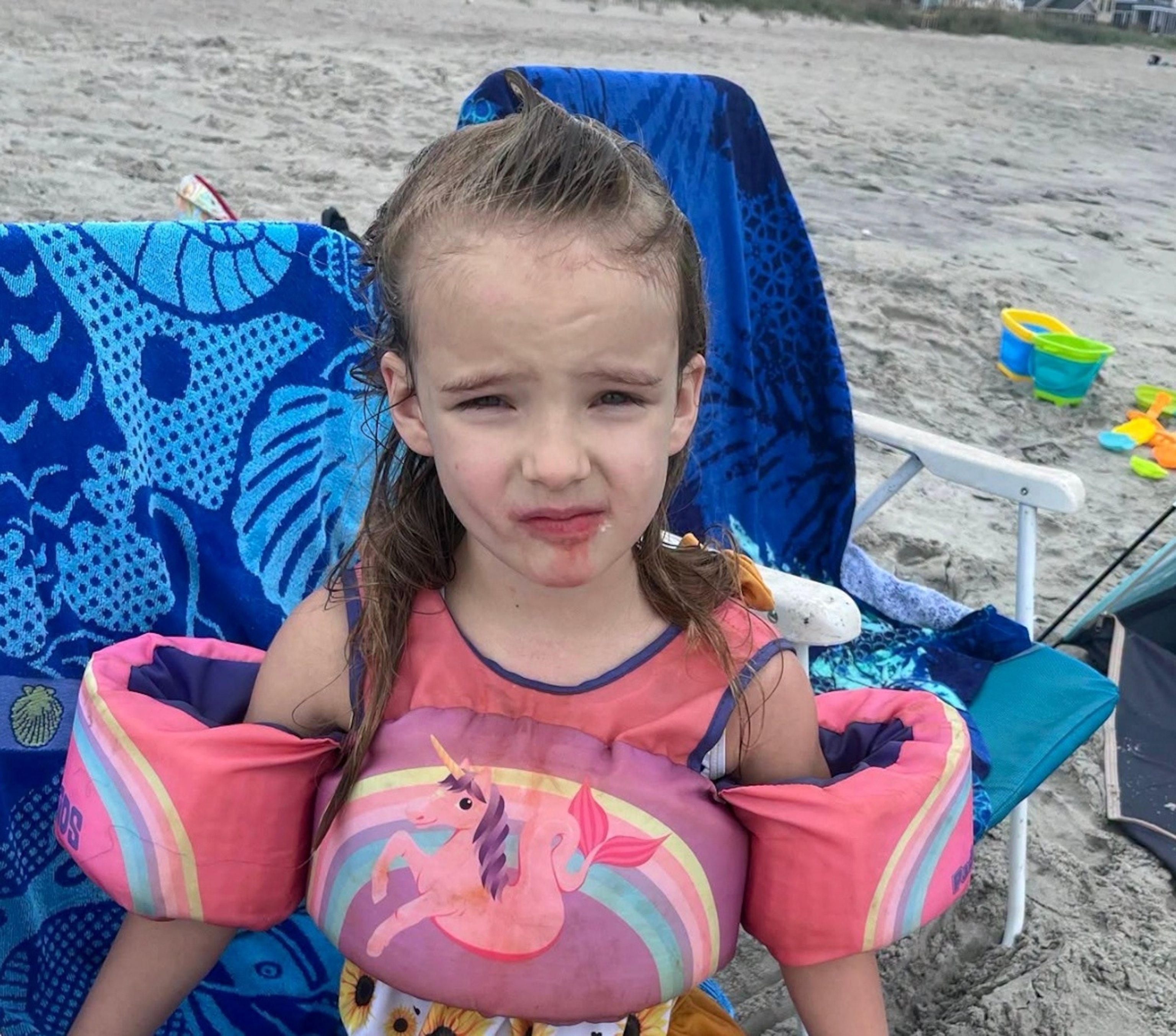
Saylor, a five-year-old known to wander and drawn to water, was left without the device intended to help locate her.
When she disappeared, hundreds searched for a signal that wasn’t there.
And the water where Saylor was eventually found was only about 15 meters from where she was last seen.
One small decision now sits at the center of a much bigger timeline.
***************
The Phantom Signal: An In-Depth Exploration of the Tragic Disappearance and Death of Saylor Hayes
The geography of Pawleys Island, South Carolina, is defined by a delicate, haunting interface between manicured coastal lawns and dark, tidal waters. When a crisis strikes in such a landscape, every second counts, and every tool designed to cheat tragedy becomes a lifeline. For five-year-old Saylor Hayes—a nonverbal child with severe autism, a known history of elopement, and a dangerous, magnetic attraction to water—that lifeline was supposed to be a specialized tracking device.
Instead, the technology meant to save her life remained locked hundreds of miles away in a vehicle back in Washington County, Virginia.
The revelation transformed what was initially viewed strictly as an accidental drowning into a complex criminal investigation, placing a harsh spotlight on the choices made by the child’s caregivers before they ever crossed state lines.
An Anatomy of a Flawed Search
The timeline of the tragedy began on the morning of Sunday, August 30, 2026, when Saylor wandered away from her family’s rental property in the Hagley Estates neighborhood of Pawleys Island. What followed was an immediate, massive mobilization of emergency resources. Georgetown County deputies, marine patrols, K-9 units, drones, and helicopters from regional law enforcement agencies flooded the area. Hundreds of local volunteers and residents joined the frantic sweep, guarding docks, walking shorelines, and combing through dense coastal brush.
Crucially, because authorities were informed that Saylor was enrolled in the Project Lifesaver program—a specialized public safety initiative utilizing radio-frequency transmitters to track individuals prone to wandering—search teams immediately deployed tracking equipment on the ground and in the air.
For hours, specialists scanned the airspace and terrain, chasing ghost frequencies. They trusted that the equipment would zero in on a signal. They did not know that the transmitter, which requires a specialized tool to cut off and is designed for continuous, secure wear, had been detached prior to the trip and left behind in Virginia.
The search ended in devastating heartbreak the following morning, Monday, August 31. Agents from the South Carolina Department of Natural Resources recovered Saylor’s body in the water directly behind the family’s rental property—roughly 15 meters from where she had last been seen.
The Hidden Variable and Legal Fallout
As investigators pieced together the circumstances surrounding the search, the absence of the tracking device quickly became the central pivot of the case.
Project Lifesaver equipment relies entirely on physical hardware attached to the client. When Washington County Sheriff’s Office investigators—acting on a cross-jurisdictional inquiry—checked the family’s home residence, they discovered the device secured inside a vehicle hundreds of miles away.
According to statements from law enforcement officials, had Saylor been wearing the transmitter, the tracking equipment would have functioned precisely as engineered, drastically cutting down search windows. In cases of pediatric elopement near water, minutes dictate the boundary between survival and tragedy.
The realization sparked swift legal fallout. John Herb Hayes III and Geordyn Nichole Hayes were subsequently apprehended in Tennessee, facing felony charges under South Carolina law for unlawfully placing a child at risk of harm and willful abandonment. Investigators maintained that caregivers of vulnerable, nonverbal children bear an absolute duty to maintain active safety protocols—especially when traveling to high-risk environments adjacent to open water. Furthermore, affidavits alleged that the parents actively directed searchers away from the water and toward a signal they knew did not exist.
A Community Left Reckoning
The case of Saylor Hayes has left the communities of Washington County, Virginia, and Pawleys Island, South Carolina, grappling with profound grief and uncomfortable questions. It exposes the terrifying margin for error inherent in caring for neurodivergent children who possess zero perception of environmental danger.
While legal proceedings work to determine accountability in a court of law, the lingering image of the empty wristband serves as a grim cautionary tale. It underscores a painful truth about modern safety infrastructure: the most advanced rescue technology in the world is utterly powerless when left behind.