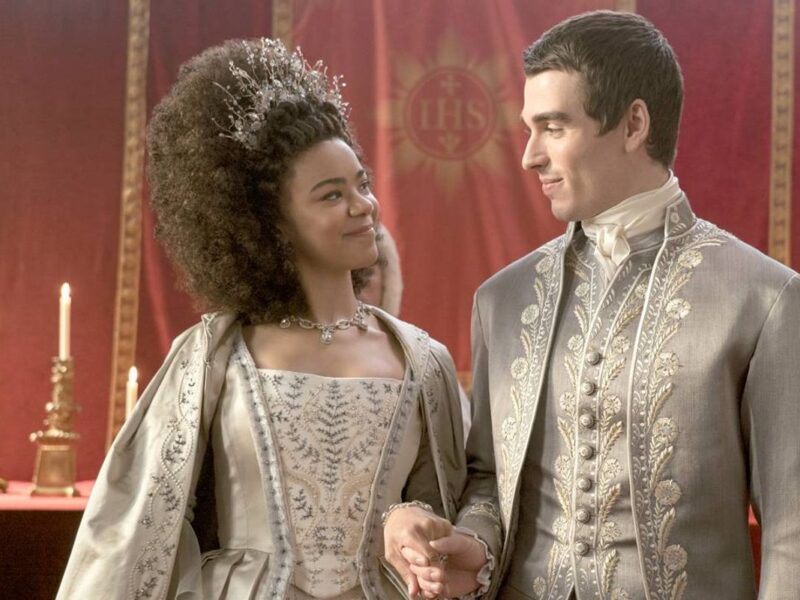
Bridgerton fans may have just found their next period-drama obsession. 👀✨ This BAFTA-winning historical epic stars a beloved Downton Abbey favorite and delivers lavish costumes, complicated romances, family secrets, and plenty of emotional drama. If you’re missing the world of Bridgerton, this mysterious title deserves a spot on your watchlist. 🎬❤️ Can you guess which period drama everyone is talking about? The answer is in the comments. 👇
Uncovering a Lost Masterpiece: Why The BAFTA-Winning Period Drama “The Madness of King George” Is the Ultimate Watch for Bridgerton and Downton Abbey Fans
For lovers of historical drama, lavish Regency aesthetics, and razor-sharp court intrigue, the modern television landscape has delivered an embarrassment of riches. Shows like Netflix’s global juggernaut “Bridgerton”, its spin-off “Queen Charlotte: A Bridgerton Story”, and the timeless upstairs-downstairs elegance of “Downton Abbey” have cultivated a massive, passionate audience that continually hungers for tales of royalty, societal scandal, and emotional turmoil. While modern streaming platforms make it easy to binge the latest serialized hits, cinematic gems from recent decades often wait quietly in the wings, offering an exquisite richness that rivals any contemporary production. For fans seeking their next great historical obsession, the 1994 cinematic masterpiece “The Madness of King George” stands out as an absolute must-watch. Packed with award-winning performances, stellar writing by celebrated playwright Alan Bennett, and a crossover appeal that bridges the gap between beloved British institutions, this historical epic is the ultimate cinematic experience for anyone captivated by the trials and tribulations of the British monarchy.
Bridging the Gap: Connecting “The Madness of King George” to the World of Bridgerton
For viewers who fell in love with the complex, emotionally resonant portrayal of monarchy in “Queen Charlotte: A Bridgerton Story”, “The Madness of King George” offers a fascinating, historically grounded companion piece. While Shondaland’s romanticized Regency universe leans heavily into high-fashion escapism, orchestral pop covers, and passionate romance, “The Madness of King George” explores a similar chronological and political epoch through a sharper, more dramatic lens. Set during the tense Regency Crisis of 1788 to 1789, the film chronicles a pivotal, turbulent period in British history when King George III began exhibiting severe signs of mental and physical instability.
This unexpected medical crisis immediately triggered a high-stakes constitutional and parliamentary power struggle. As the King’s grip on his faculties slipped, political factions circled like vultures, eager to exploit his vulnerability and shift the balance of power—most notably through the ambitions of the Prince of Wales, who sought to claim the Regency. For fans of “Bridgerton” who have witnessed glimpses of King George’s declining health and the profound emotional strain it placed upon Queen Charlotte, this film provides an illuminating, deeply moving deep-dive into the very events that shaped their later years. It bridges historical reality with masterclass storytelling, showcasing the devastating personal toll exacted by the crown upon the individuals who wear it.
A Masterclass in Screenwriting and Direction
The brilliance of “The Madness of King George” begins with its prestigious pedigree behind the camera. The film was adapted by celebrated playwright and author Alan Bennett, who ingeniously brought his own acclaimed 1991 stage play, “The Madness of George III”, to the silver screen. Bennett’s background as a master dramatist shines through every line of dialogue, imbuing the script with a brilliant blend of razor-sharp British wit, poignant tragedy, and intellectual rigor. The dialogue crackles with theatrical precision, balancing the absurdities of court etiquette with the harrowing reality of a monarch losing his mind.
To helm the cinematic adaptation, producers turned to acclaimed director Nicholas Hytner, renowned for his exceptional work on both stage and screen, including notable projects like “The History Boys” and “The Crucible”. Hytner’s direction ensures that the film maintains a grand, cinematic scale while preserving the intimate, character-driven intensity of Bennett’s stage writing. The visual language of the film—marked by opulent period costumes, magnificent stately homes, and meticulous art direction—creates a lush, immersive world that immediately draws period drama fans into the late 18th century.
A Legendary Ensemble Cast: From Nigel Hawthorne to Dame Helen Mirren
One of the greatest selling points for contemporary television enthusiasts is the film’s extraordinary ensemble cast, which reads like a masterclass in British acting royalty and features familiar faces that will delight fans of modern prestige television. At the center of the narrative is legendary stage and screen actor Nigel Hawthorne, whose definitive portrayal of the monarch earned him universal critical acclaim. Hawthorne, widely recognized by British television audiences for his iconic work in “Yes Minister”, delivers a tour-de-force performance that captures both the formidable majesty and the heartbreaking vulnerability of King George III. His ability to shift seamlessly from regal authority to agonizing confusion anchors the entire emotional core of the film.
Equally mesmerizing is Dame Helen Mirren, who delivers a powerhouse performance as Queen Charlotte. Long before modern audiences watched India Amarteifio and Golda Rosheuvel portray the iconic queen in the “Bridgerton” universe, Mirren brought a fierce loyalty, quiet strength, and profound dignity to the role. Her portrayal of a devoted wife fighting desperately to protect her husband from predatory physicians and ambitious political rivals is nothing short of breathtaking.
Furthermore, the supporting cast is an absolute treasure trove for fans of British drama. The film features Ian Holm in a phenomenal, BAFTA-nominated turn as the unorthodox Dr. Willis, whose controversial treatments form the crux of the medical drama. It also stars Amanda Donohoe, “Sherlock” star Rupert Graves, Rupert Everett, and Geoffrey Palmer. Adding an extra layer of excitement for modern audiences, the film features Jim Carter—beloved worldwide as Mr. Carson the butler from “Downton Abbey”—in a memorable supporting role, cementing the film’s status as a mandatory watch for fans of elite British period television.
Critical Acclaim, Lost Masterpieces, and Award Glory
Upon its release in 1994, “The Madness of King George” was met with widespread critical acclaim, cementing its status as an enduring classic of historical cinema. Over the decades, passionate film enthusiasts on platforms like IMDb have continued to shower the production with glowing praise, frequently rating it among the finest British historical dramas ever made. Reviewers have lauded the film as a “lost masterpiece,” praising its exquisite photography, authentic art direction, and seamless blending of heartbreaking tragedy with sharp, satirical comedy.
The film’s exceptional quality did not go unnoticed by major award bodies. During awards season, “The Madness of King George” secured multiple Academy Award nominations. Both Nigel Hawthorne and Helen Mirren received well-deserved Oscar nods for their stellar lead performances, while the film triumphed in taking home the prestigious Academy Award for Best Art Direction, a testament to its stunning visual fidelity. At the British Academy Film Awards (BAFTA), the film dominated the major categories, claiming the top prize for Best Film, while Nigel Hawthorne deservedly walked away with the BAFTA Award for Best Actor.
Why It Remains the Perfect Watch for Modern Period Drama Fans
In an era where streaming algorithms frequently push viewers toward fast-paced, serialized romances, taking the time to revisit a critically lauded cinematic epic like “The Madness of King George” offers a profoundly rewarding experience. For fans of “Bridgerton”, “Queen Charlotte”, and “Downton Abbey”, the film delivers everything they love about the genre: sumptuous period aesthetics, intricate social hierarchies, towering emotional stakes, and peerless acting performances.
It serves as a reminder that stories about the British monarchy are at their most compelling when they humanize the figures behind the crowns, exploring themes of love, loyalty, mental health, and institutional survival against insurmountable odds. Whether you are looking to deepen your historical understanding of the Regency era, seeking out phenomenal performances by acting legends like Helen Mirren and Jim Carter, or simply wanting to lose yourself in an “outstanding” piece of British cinema, “The Madness of King George” deserves a prime spot at the very top of your watchlist.