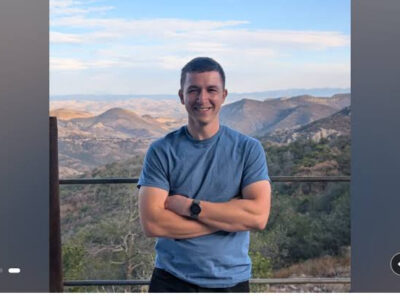
184-foot recovery: Nazar Svintizelskiy’s body was found days after the Herrington Lake crash The search ended nearly two days after the collision when crews recovered the 25-year-old from one of the deepest parts of the lake. The discovery answered one question—but the investigation is only becoming more controversial
Tragic Recovery in the Depths of Herrington Lake: The Aftermath of a Fourth of July Boat Collision
On the evening of July 4, 2026, a routine family outing on Herrington Lake in central Kentucky turned into a devastating tragedy. A collision between two boats left one young man dead, several others injured, and a community grappling with questions about how such an incident could occur on a holiday weekend filled with celebration. Days later, search teams recovered the body of 25-year-old Nazar Svintizelskiy from one of the lake’s deepest points, bringing a somber close to the immediate rescue efforts while an official investigation continues to unfold.

Herrington Lake, an artificial reservoir created in 1925 by damming the Dix River, spans approximately 2,335 acres across Mercer, Garrard, and Boyle counties. It serves as a popular destination for boating, fishing, and recreation, particularly during summer holidays. With a maximum depth of 249 feet and an average depth around 78 feet, the lake presents significant challenges for search and recovery operations in deeper areas. The collision occurred in waters deep enough that specialized equipment and teams from outside the region were required to locate the missing individual.
According to preliminary details released by authorities, the incident involved a wake boat operated by 34-year-old Cody Casey of Harrodsburg and a pontoon boat operated by 58-year-old Alex Svintozelskiy of Nicholasville. Nazar Svintizelskiy, a passenger on the pontoon boat, was ejected into the water during the impact. The force of the collision injured multiple people aboard the pontoon, including Alex Svintozelskiy, who was airlifted to a hospital for treatment of serious injuries. Three other individuals also received medical attention following the crash.
Emergency responders from Mercer County and surrounding areas arrived shortly after the 8 p.m. call on July 4. Initial rescue efforts focused on aiding the injured and beginning a search for the missing passenger. The operation involved local fire departments from Mercer, Boyle, Garrard, and Jessamine counties, along with Kentucky Fish and Wildlife Resources, emergency management agencies, and a specialized dive and recovery team from Rapid Response Services in Dublin, Ohio. The multi-agency coordination highlighted the complexity of searching a large body of water with varying depths and underwater conditions.
The search continued over the following days, with crews methodically covering areas based on witness accounts and available evidence. Challenges included the lake’s significant depth in certain sections and the need for equipment capable of operating effectively at extreme underwater pressures. On July 6, nearly two days after the collision, search teams located Nazar Svintizelskiy’s body around 3:50 p.m. in approximately 184 feet of water. The recovery marked the end of the active search phase but opened a new chapter focused on understanding the circumstances of the crash.
Nazar’s body was transported to the Kentucky State Medical Examiner’s Office in Frankfort for an autopsy to determine the official cause of death. As of the latest available information, that determination remains pending. The Kentucky Department of Fish and Wildlife Resources (KDFWR) is leading the investigation into the collision, working in coordination with local law enforcement. Officials have not yet released details on potential charges or fault, emphasizing that the probe is ongoing.
In statements following the recovery, the Mercer County Fire District expressed condolences to the family and noted the emotional toll on responders and the community. Public information officers highlighted the teamwork involved in the difficult recovery while urging the public to refrain from spreading unverified information on social media, which had reportedly complicated efforts and added to the family’s distress. The department described the outcome as a sad closure that at least provided answers after an exhaustive search.
The Svintozelskiy family, originally from the Nicholasville area, had been enjoying a Fourth of July outing on the lake when the collision occurred. A GoFundMe campaign established to support Alex Svintozelskiy’s recovery and the family’s needs quickly gained significant contributions, reflecting community support amid the tragedy. Updates on the page confirmed Nazar’s recovery and the continued hospitalization of his father. Family and friends have begun planning memorial services, with one reported for July 12 in a local Ukrainian community context.

This incident has drawn attention to broader aspects of boating safety on Kentucky’s lakes. Herrington Lake’s popularity for recreational boating, including wake boats designed to create larger waves for activities like wake surfing, requires operators to maintain vigilance, especially in areas with mixed vessel traffic. Kentucky law mandates that boat operators involved in accidents stop and render assistance, exchange information, and report incidents to authorities under specific conditions, such as death, injury requiring medical treatment, or significant property damage. Reports must typically be filed within 48 hours for serious cases.
Kentucky Fish and Wildlife Resources enforces boating regulations, including requirements for personal flotation devices, proper navigation lights, and operator awareness. Collisions often stem from factors such as speed, visibility, operator inattention, or failure to yield right of way, though specific contributing elements in this case await full investigation. The agency’s preliminary findings confirmed the involvement of the two vessels but have not elaborated further publicly at this stage.
The depth at which Nazar was recovered underscores the inherent risks of open-water activities on deep reservoirs. Search operations in such environments demand not only local expertise but also external resources for sonar, diving equipment, and remotely operated vehicles. The involvement of the Ohio-based team illustrates how regional cooperation can be critical when local capabilities are stretched by extreme conditions. Officials have acknowledged the professionalism and dedication of all participating agencies in bringing the search to a conclusion.
As the investigation proceeds, questions linger about vessel speeds, lookout responsibilities, lighting conditions on the evening of the holiday, and any environmental factors. Wake boats, while popular for recreation, can pose unique hazards due to their size, maneuverability characteristics at certain speeds, and the waves they generate, which may affect nearby smaller vessels like pontoons. Pontoon boats, favored for their stability and capacity for family gatherings, can be more vulnerable in high-impact collisions if occupants are not secured or if the vessel is struck unexpectedly.
Community reactions have mixed grief with calls for heightened awareness. Local media coverage has emphasized the human impact, sharing details of Nazar’s life as a 25-year-old from Nicholasville and the ongoing recovery of his father. Friends and relatives have described the family as close-knit, making the loss particularly profound. Memorial tributes and fundraising efforts continue to highlight the support network surrounding them during this difficult time.

Boating fatalities, though relatively rare compared to roadway incidents, underscore the need for ongoing education and enforcement. Kentucky authorities routinely promote safe boating practices, including sober operation, proper lookout procedures, and adherence to speed and distance guidelines near other vessels. Holidays like the Fourth of July see increased traffic on waterways, amplifying the importance of these measures. The KDFWR’s role in both investigation and prevention positions it as a key player in addressing lessons learned from this event.
In the days following the recovery, public discourse has touched on the emotional weight borne by first responders who transition from rescue to recovery mode. The Mercer County Fire District’s updates conveyed both gratitude for the collaborative effort and recognition of the tragedy’s finality. Such incidents often prompt reflection on the balance between recreational enjoyment and the responsibilities that come with operating powerful watercraft on shared public waters.
Herrington Lake itself, while a source of hydroelectric power and natural beauty, carries the history of a working reservoir managed for multiple uses. Its depth and shoreline diversity make it appealing yet demanding for safety protocols. Past incidents on similar Kentucky lakes have led to reviews of local ordinances, signage, and patrol strategies, though no immediate changes have been announced in response to this specific collision.
For the Svintozelskiy family, the recovery answered the agonizing question of Nazar’s whereabouts but left many others unresolved. The investigation by state game wardens and collaboration with the Commonwealth Attorney’s Office will determine if any violations of Kentucky boating laws occurred and whether further legal steps are warranted. In the meantime, the focus remains on mourning a young life cut short and supporting those injured and bereaved.
This event serves as a poignant reminder of the fragility of life during moments of leisure. Families across Kentucky and beyond will likely revisit their own boating habits, emphasizing the use of life jackets, clear communication among passengers, and cautious navigation. Authorities continue to gather evidence, including potential surveillance footage from lakeside properties, to reconstruct the sequence of events leading to the collision.
As summer activities persist on Herrington Lake and other regional waterways, the story of Nazar Svintizelskiy’s recovery stands as both a testament to the dedication of emergency services and a call for collective responsibility. The full details of the investigation may take weeks or months to emerge, but the immediate human cost is already clear: a family forever changed, a community united in sorrow, and ongoing efforts to ensure safer waters for all who venture onto them.
The depth of 184 feet where Nazar was found represents not just a physical measurement but the profound challenges faced in such recoveries. It also symbolizes the depth of loss felt by those who knew him. While the search has concluded, the broader conversation about preventing similar tragedies on Kentucky’s beloved lakes is only beginning. Families planning future outings will carry forward the lessons, however painful, from this Fourth of July on Herrington Lake. (Word count: approximately 1980)