
A new document is raising one of the biggest questions yet in the Nolan Wells case
A new document is raising one of the biggest questions yet in the Nolan Wells case.
Witnesses reportedly told investigators Nolan Wells had consumed a heavy amount of alcohol before he vanished, according to a newly revealed email.
Yet despite the new information, the forensic pathologist retained by Nolan’s family still determined that the cause and manner of death could not be established.
Full details in the comments. 👇
A newly obtained July 5 email from the Mississippi Department of Marine Resources Marine Patrol has added another layer of complexity to the investigation into the death of 18-year-old Nolan Xavier Wells. The document, sent to the U.S. Coast Guard as search teams scoured Horn Island and surrounding waters after Wells was reported missing on July 4, listed basic identifying details for the teenager—including his physical description, last known location, and clothing noted as “shorts only”—along with the notation “Alcohol intake: Heavy.” The email does not identify the specific source of that characterization, but it reflects information provided by witnesses in the immediate aftermath of the disappearance.
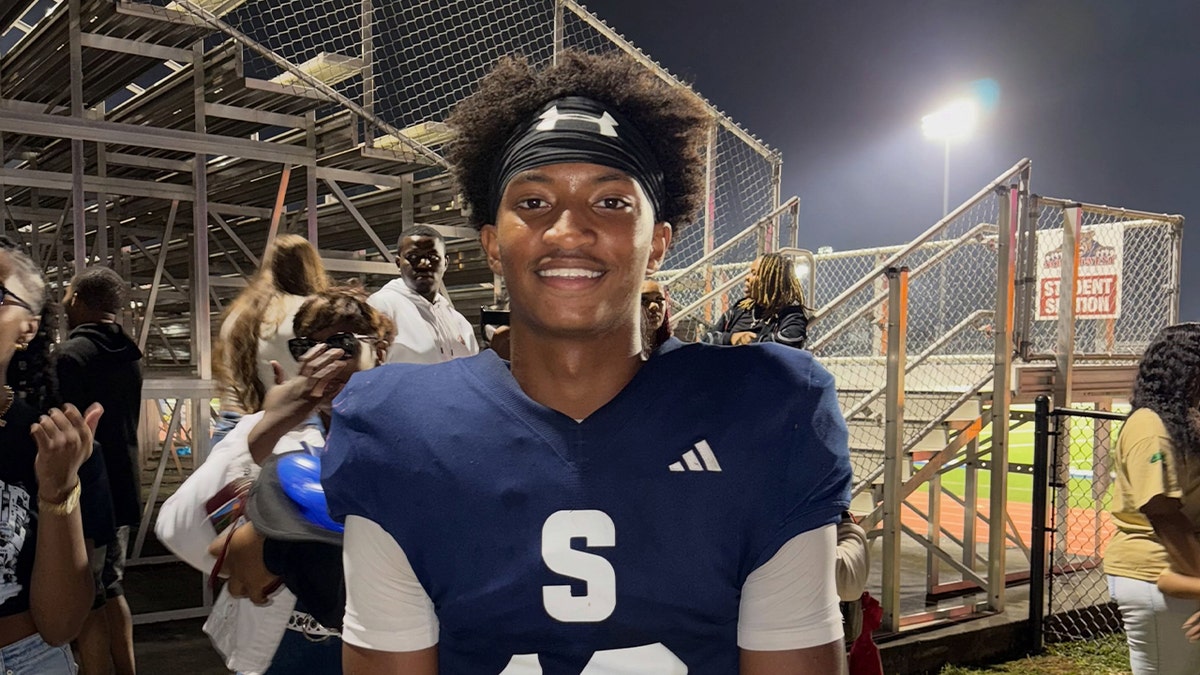
Wells, a student-athlete from Ocean Springs, Mississippi, traveled by boat to Horn Island on the morning of July 4 with a group of friends. GPS data shows the vessel left the mainland shortly before 10 a.m. and arrived at the remote barrier island at 11:14 a.m. The boat remained there for several hours before departing at approximately 4:31 p.m. without Wells. Friends told investigators that Wells chose to stay behind in the company of an unknown female (later identified in reporting as Katie McCormack) and that the group needed to return because their boat’s bilge pump had failed and the vessel was taking on water. A distress call to Sea Tow around 4 p.m. documented the mechanical emergency, with the caller reporting roughly seven people aboard. Wells’ body was recovered by a National Park Service ranger on the morning of July 6 in an area known for strong rip currents. He was found wearing only blue swim shorts and was identified through dental records the next day.
The “heavy” alcohol notation has drawn significant attention because Wells was 18 and therefore under the legal drinking age. Friends present that day have previously acknowledged that alcohol was circulating among the large holiday crowd on the island. One close friend stated that Wells had been drinking yet “seemed completely fine” in their interactions. Another described the afternoon as one in which people in the broader gathering became progressively more intoxicated. At the same time, a spokesman for the United Cajun Navy, which assisted in the search, has noted that despite photographs of the group with beer, his understanding was that Wells’ blood-alcohol level was not at an intoxicated threshold. The official state autopsy and toxicology results remain pending and under seal. An independent autopsy commissioned by the Wells family and performed by forensic pathologist Dr. Roger Mitchell classified both the cause and manner of death as “undetermined pending further investigation.” Mitchell identified soft-tissue discoloration on the back of the skull but found no major fractures; he could not rule out non-accidental factors and cited significant limitations arising from advanced decomposition and the prior official examination that had already removed organs.
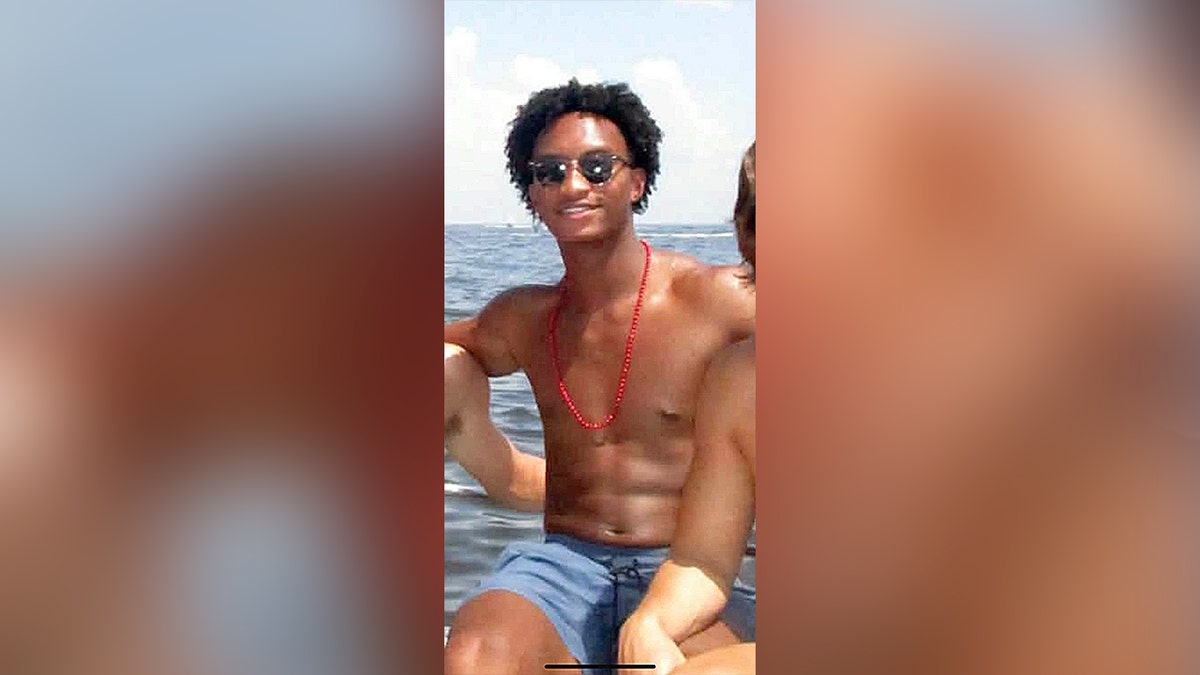
Wells’ parents, Christine Wonsley and Elmore Wonsley, together with attorney Ben Crump, have continued to press for a thorough and transparent investigation. They have questioned why a strong swimmer would voluntarily separate from his group, why his phone and car keys returned without him, and why digital activity on the recovered device appeared anomalous. The independent autopsy findings, released in late July, reinforced their position that early suggestions of simple accidental drowning did not adequately address the full set of unresolved issues. The preliminary alcohol detail in the search email has been interpreted by some as potentially explanatory of how Wells could have entered the water and not survived the currents; others view it as incomplete information that risks overshadowing contradictory elements of the timeline, including the towing footage that shows seven individuals on the boat and no sign of Wells, and conflicting accounts involving the young woman he was said to have remained with.
Sheriff John Ledbetter has previously declined to speculate on the possible role of alcohol or drugs, emphasizing that investigators respond to facts rather than rumors and that the probe continues without initial indications of foul play. More than sixty witnesses have been interviewed. The FBI is assisting with digital evidence and has addressed interstate threats received by people connected to the case. Once the Jackson County investigation is complete, the full body of evidence—including the original search documents, witness statements, GPS tracks, both autopsy reports, toxicology results, and any recovered digital material—is expected to be presented to a grand jury.
The appearance of the “heavy” alcohol notation in an official search email does not constitute a laboratory finding. It records what certain witnesses conveyed to authorities in the critical hours after Wells went missing. Until the state toxicology results are released and evaluated alongside the complete investigative file, the precise role—if any—of alcohol in Wells’ death cannot be determined. The case remains defined by incomplete information: an undetermined independent autopsy, a still-pending official medical report, conflicting recollections of Wells’ final interactions, and now a preliminary witness-based notation of heavy drinking that has deepened rather than resolved public questions about what happened on Horn Island in the final hours of July 4.