The pursuit of cosmetic enhancement through procedures like the “mommy makeover” has grown significantly in recent years, offering many individuals renewed confidence after childbirth or life changes. These surgeries, often combining tummy tucks, liposuction, and breast procedures, promise transformative results with relatively short recovery times when performed in accredited facilities. However, complications can arise, particularly in the immediate postoperative period, where vigilant monitoring and appropriate pain management are critical. A recent case involving Rachel Tussey, a 47-year-old mother of three from Ohio who documented her tummy tuck journey on TikTok, has drawn widespread attention and sparked controversy. Her husband, Jeremy Tussey, described a pivotal moment in the recovery room where he “knew something was wrong” upon seeing her face. What followed—the administration of powerful pain medications and the facility’s response—has fueled debate over patient safety, staffing in ambulatory surgery centers, and the risks of opioid use in postoperative care. This incident underscores broader concerns in cosmetic surgery, including the balance between pain control and overdose prevention, as well as the adequacy of after-hours monitoring in outpatient settings.
The Procedure and Immediate Aftermath
@iyhyunmh081 This is devastating! Ohio wife and mother Rachel Tussey was taken off life support following complications after a mommy makeover. #fyp #tragedy #surgery #viral #news #usa
Rachel Tussey underwent a mommy makeover, a comprehensive cosmetic surgery popular among mothers seeking to restore their pre-pregnancy bodies. She shared updates with her followers, building anticipation for the results. The surgery itself reportedly went smoothly according to initial assurances from medical staff. Jeremy Tussey was informed that everything proceeded without issue and was later called to the recovery room around 5:45 p.m.
Upon arriving, he passed the surgeon in the hallway and entered a facility that appeared largely empty and locked down for the night, with only a cleaning crew present. This observation raised immediate questions about staffing levels after regular hours. In the recovery room, Rachel initially mumbled incoherently, prompting Jeremy to sense that something was amiss. He looked down at her face and noticed alarming changes—she became pale, discolored, and unresponsive shortly after.
A nurse reportedly informed him that she had just administered potent opioid pain medications: 0.5 mg of Dilaudid (hydromorphone) and 150 mcg of fentanyl. These are strong intravenous opioids commonly used for severe postoperative pain, but their combination carries significant risks, particularly in patients who may have varying tolerance levels or other factors influencing metabolism.
The Husband’s Account and Growing Suspicion
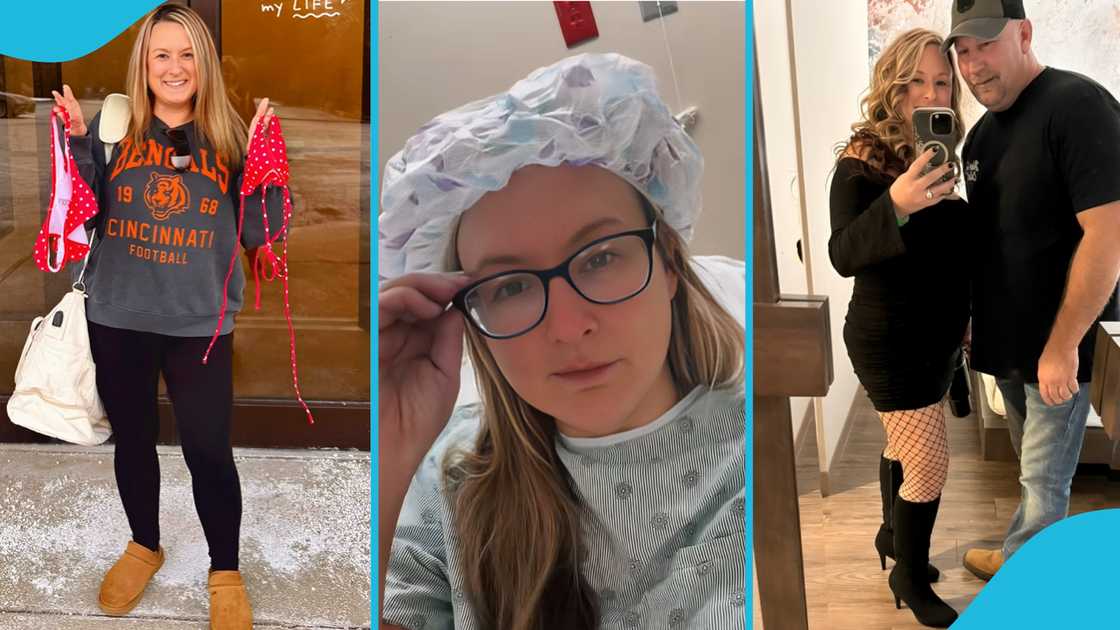
Jeremy Tussey has publicly shared that the moment he saw Rachel’s face, he intuitively knew complications had arisen. Her sudden unresponsiveness followed the opioid administration, leading to rapid deterioration. She was placed on life support due to anoxic brain injury—oxygen deprivation to the brain—and later declared brain dead. The family made the difficult decision to remove life support, and Rachel passed away in hospice care.
The controversy centers on several key issues raised by Jeremy and echoed in public discussions. Critics question whether the dose and combination of Dilaudid and fentanyl were appropriate, especially given the rapid onset of symptoms. Fentanyl, in particular, is notoriously potent—up to 100 times stronger than morphine—and even small amounts can cause profound respiratory depression. When combined with hydromorphone, the synergistic effect amplifies this danger, potentially leading to quick onset rather than a gradual decline.
Additionally, the timing and environment have drawn scrutiny. The facility’s apparent low staffing after hours meant limited immediate access to advanced interventions if complications arose. Jeremy noted the absence of sufficient personnel to respond promptly, which may have delayed reversal agents like naloxone or other resuscitative measures. Families in similar situations often highlight how deviations from expected recovery patterns—such as unexpected unresponsiveness—signal potential lapses in care.
Risks of Potent Opioids in Postoperative Settings
Postoperative pain management remains a cornerstone of surgical recovery, but the opioid crisis has heightened awareness of associated dangers. Intravenous opioids provide rapid relief but bypass natural safeguards, entering the bloodstream directly and risking overdose. Guidelines from medical bodies emphasize multimodal analgesia—combining non-opioid options like acetaminophen, NSAIDs, nerve blocks, and local anesthetics—to minimize opioid exposure.
In ambulatory surgery centers, where patients are discharged relatively quickly, monitoring protocols must be robust. Respiratory depression from opioids can occur insidiously, with sedation often preceding critical drops in oxygen levels. Factors increasing risk include patient age, obesity, sleep apnea, or concurrent medications. In Rachel’s case, the administration of two potent opioids simultaneously has been cited as a point of concern, particularly if not titrated carefully or monitored with pulse oximetry and capnography.
Public health data show that postoperative opioid-related adverse events contribute to prolonged hospital stays, higher costs, and, in rare cases, fatalities. Ambulatory centers, while convenient and cost-effective, sometimes face challenges in maintaining 24/7 specialized staffing compared to hospitals. This case has amplified calls for stricter regulations on pain protocols and mandatory naloxone availability in such facilities.
Broader Implications and Calls for Change
The tragedy has resonated widely, especially among those who follow cosmetic surgery trends on social media. Rachel’s TikTok presence made her story relatable, highlighting how everyday people approach these elective procedures. Jeremy’s account has prompted discussions on informed consent, the need for clearer warnings about opioid risks, and the importance of family presence during recovery.

Advocates argue for enhanced oversight of outpatient surgery centers, including requirements for adequate nighttime staffing and immediate access to reversal agents. Some point to the need for better preoperative screening for opioid sensitivity and postoperative education on warning signs. The incident also reflects ongoing debates in medicine about balancing effective pain control with safety in an era of heightened opioid scrutiny.
Cosmetic surgery remains generally safe when performed by qualified professionals in appropriate settings, but cases like this remind both patients and providers of inherent risks. Families affected by such outcomes often seek accountability through reviews, legal inquiries, or public awareness to prevent future incidents.
Conclusion
The camera-captured moment Jeremy Tussey described—seeing his wife’s face change in the recovery room—has become a focal point of controversy in Rachel Tussey’s heartbreaking story. The subsequent administration of potent opioids and questions about facility response have fueled debates on postoperative care standards, opioid prescribing practices, and patient safety in ambulatory settings. While details continue to emerge, this case serves as a sobering reminder of the vulnerabilities in even routine procedures. Greater emphasis on multimodal pain management, vigilant monitoring, and robust staffing could help mitigate such risks moving forward. Ultimately, it calls for compassion toward grieving families and renewed commitment to safer surgical experiences for all.
@midlifeunmuted_ #drtork #evandalehealthfairlife#bethesdanorth @Shahryar Tork, MD
News
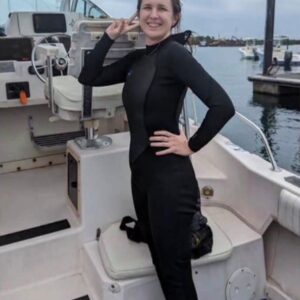
THE LAST 3 SECONDS CHANGED EVERYTHING 🌊😳 Florida flight attendant Kellie Melinda Williams was enjoying a coral dive before everything suddenly took a tragic turn
THE LAST 3 SECONDS CHANGED EVERYTHING 🌊😳 Florida flight attendant Kellie Melinda Williams was enjoying a coral dive before everything suddenly took a tragic turn — and fishermen later made a heartbreaking discovery along the shoreline 👀 👇 Now, people…

We don’t know anything, it wasn’t an accident…: Police have just announced their conclusion regarding the sudden and mysterious death of 5-year-old Jagger Wingi during a sleepover at a friend’s house, and everything is stopping at the third line, highlighted in red
Boy, 5, Mysteriously Dies During Overnight Stay at a Friend’s House: ‘We Don’t Even Know What Happened,’ Mom Says Jagger Wing was found unresponsive on Saturday, May 30 Jagger Wing.Credit : gofundme NEED TO KNOW Jagger Wing, 5, of Newburgh,…

The mysterious black backpack case: Court observers say investigators spent a few minutes discussing a black backpack belonging to Austin Metcalf that was recovered after the incident — but what really sparked discussion were the items believed to still be inside…
The heavy oak doors of the courtroom seemed to seal out the rest of the world, creating an isolated crucible where the final, tragic moments of Austin Metcalf’s life were systematically disassembled and laid bare for the world to see….
30 Seconds: Jurors reportedly watched courtroom testimony recreate Austin Metcalf’s last moments, but one movement described by a teenage witness changed the entire atmosphere inside the courtroom…
The atmosphere inside the courtroom transformed instantly as a teenage witness took the stand, shifting the focus of the trial to a critical thirty-second window that redefined the prosecution’s entire case against Karmelo Anthony. Prior to this testimony, much of…
SHE COVERED HER MOUTH…: The jury was given 30 minutes of evidence during Karmelo Anthony’s trial, but witnesses said one woman couldn’t hide her reaction after seeing a single image from Austin Metcalf’s autopsy results…
The courtroom fell into an oppressive, suffocating silence as the prosecution prepared to display the final exhibit of the afternoon. For two weeks, the trial of Karmelo Anthony had gripped the community, twisting through a labyrinth of conflicting testimonies, digital…
THE LAST PERSON WHO SPOKE TO WESTON HAS FINALLY BROKEN THEIR SILENCE… According to people close to the family, investigators recently asked them to repeat one 9-word exchange that happened only hours before the trip
The investigation into the tragic death of 20-year-old James “Weston” Higginbotham has reached yet another emotionally charged milestone as the last person to speak with him has broken their silence, revealing details of a brief but haunting exchange that occurred…
End of content
No more pages to load