NOT THE VERDICT—THE TRIAL: 5 Claims Could Reignite the Karmelo Anthony Case
NOT THE VERDICT—THE TRIAL: 5 Claims Could Reignite the Karmelo Anthony Case
Karmelo Anthony’s new attorneys aren’t disputing the murder conviction itself.
Instead, they’ve filed two motions accusing the court of five major legal failures, including an alleged off-the-record deal, interference with Anthony’s testimony, and asking that Judge John Roach be removed from the case.
At the center of the filings isn’t what happened… but what allegedly happened inside the courtroom.
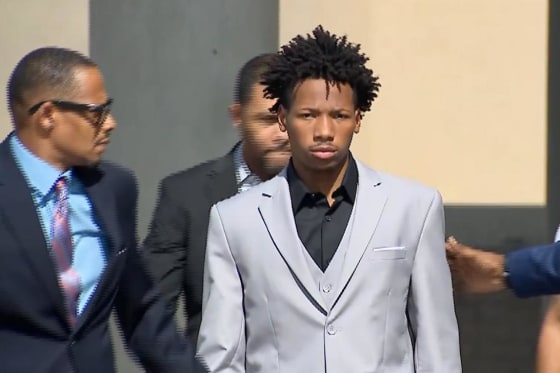
In a significant development following his murder conviction, Karmelo Anthony’s new legal team has filed two formal motions in court. One seeks a new trial, while the other requests the removal of Judge John Roach from presiding over any further proceedings in the case. The filings do not contest the underlying murder conviction itself but instead argue that multiple legal errors during the trial prevented Anthony from receiving a fair proceeding, violating his constitutional rights.
These motions mark an aggressive post-conviction strategy by Anthony’s defense. They center on five primary arguments that, if substantiated, could lead to the conviction being overturned. The legal team is requesting an evidentiary hearing to examine the claims in detail. As the high-profile case continues to draw public attention, the filings highlight alleged breakdowns in trial procedure, judicial conduct, and agreements with prosecutors.
The Core Arguments in the Motions
The defense filing outlines five key issues that allegedly compromised the fairness of Anthony’s trial:
Public Trial Rights Were Violated — The motion claims that restrictions or exclusions during the proceedings infringed on Anthony’s Sixth Amendment right to a public trial. Details in the filing suggest certain portions of the trial may have been improperly closed or limited in ways that affected transparency and the ability to fully present the defense.
An Alleged Off-the-Record Agreement with Prosecutors Was Broken — A central pillar of the motion is the assertion that prosecutors and the defense had reached an understanding or agreement during the trial that was not properly documented on the record. The defense contends this agreement was subsequently violated, undermining the integrity of the process and Anthony’s constitutional protections.
Anthony’s Right to Testify Was Effectively Undermined — The filings argue that procedural decisions or circumstances during the trial effectively prevented or discouraged Anthony from exercising his right to testify in his own defense. This is presented as a significant constitutional error that impacted the jury’s ability to hear his full account.
The Trial Schedule Was Accelerated — Anthony’s attorneys claim the trial was pushed forward on an expedited timeline that did not allow sufficient time for adequate preparation, witness coordination, or full development of the defense strategy. This acceleration is alleged to have compromised due process.
Judge John Roach’s Post-Trial Interview — The motion raises concerns about statements or comments made by Judge Roach in a post-trial interview, suggesting they demonstrated potential bias or impropriety that warrants his recusal from further involvement in the case.
The motion explicitly asks the trial court to conduct an evidentiary hearing where witnesses can testify and evidence can be presented to evaluate these claims. Anthony’s new legal team argues that the alleged violation of the off-the-record agreement, in particular, represents a serious breach of constitutional rights. If proven, they contend, the conviction should be overturned and a new trial granted.
Background on the Karmelo Anthony Case
Karmelo Anthony was convicted of murder in a case that captured widespread media attention due to the circumstances and the defendant’s profile. While specific details of the underlying crime are not altered by these post-conviction motions, the filings focus narrowly on procedural and constitutional issues rather than re-litigating the facts of the killing itself.
The conviction followed a trial presided over by Judge John Roach. Anthony’s original legal representation has been replaced by a new team that is now mounting this challenge. The decision to file for both a new trial and judicial recusal indicates a strategy aimed at resetting the case entirely or, at minimum, ensuring a different judge oversees any subsequent proceedings.
Legal Significance of the Filings

In post-conviction litigation, claims of constitutional violations—such as those involving the right to a public trial, the right to testify, and due process—are among the strongest grounds for relief. The emphasis on an alleged broken agreement with prosecutors is particularly notable, as such off-the-record understandings, if proven, can undermine the fundamental fairness of a trial.
Requesting an evidentiary hearing is a standard but important step. It would allow the defense to present testimony, documents, and other proof to support the five arguments. If the court grants the hearing and ultimately finds merit in the claims, it could lead to the conviction being vacated and a new trial ordered. Conversely, if the motion is denied, the defense may appeal to higher courts.
The separate motion to remove Judge Roach focuses on the appearance of impartiality. Judicial ethics require judges to avoid any conduct that could reasonably question their neutrality. The cited post-trial interview is being used to argue that Roach’s continued involvement would be inappropriate.
Potential Impact on the Case
These motions could significantly delay final resolution of Anthony’s case. If successful, a new trial would mean re-presenting evidence, calling witnesses, and potentially exposing new details or inconsistencies from the original proceedings. Even if the new trial motion is denied, the recusal request could force a different judge to handle sentencing or other post-conviction matters.
Legal experts following the case note that while conviction challenges are common, the specific combination of public trial violations, broken agreements, and judicial concerns makes this filing particularly detailed and aggressive. The outcome will likely hinge on the strength of the evidence presented at any evidentiary hearing.
Public and Community Reaction
The high-profile nature of Karmelo Anthony’s case has ensured that these new motions are generating substantial media coverage and public discussion. Supporters and critics alike are weighing the claims of procedural unfairness against the original jury’s verdict. Some view the filings as a necessary safeguard of constitutional rights, while others see them as attempts to delay justice.
Anthony’s new legal team’s decision to go public with detailed arguments in the motions has amplified attention. The podcast-style dissemination of legal updates in high-profile cases often influences public perception, though courts ultimately rely on the formal record.
Broader Context in Criminal Justice
Post-conviction motions like these highlight ongoing debates about fairness in the justice system. Issues such as accelerated trial schedules, judicial comments, and the right to testify are frequently litigated at the appellate level. The emphasis on an off-the-record agreement also underscores the importance of transparency and proper documentation in criminal proceedings.

If the evidentiary hearing is granted, it could set a precedent or at least provide a public examination of trial practices in the jurisdiction. For defendants in similar situations, successful challenges on these grounds can lead to significant relief.
What Happens Next
The trial court must now review the motions and decide whether to schedule the requested evidentiary hearing. This process itself may take weeks or months, depending on the court’s calendar and any responses filed by prosecutors. If the hearing proceeds, both sides will have the opportunity to present arguments and evidence regarding the five main claims.
Anthony’s legal team has signaled confidence that proving the breakdown of the agreement with prosecutors would be sufficient to overturn the conviction. Prosecutors are expected to oppose the motions vigorously, arguing that the trial was fair and that any alleged errors were harmless or properly handled.
Judge Roach’s response to the recusal motion will also be closely watched. Judicial recusal decisions are typically made with careful consideration of ethical standards and the need to avoid unnecessary disruptions.
A Case Far From Over
The filing of these two motions ensures that Karmelo Anthony’s murder case remains active and contentious long after the original verdict. By focusing on procedural and constitutional issues rather than directly challenging the factual basis of the conviction, the defense is pursuing a targeted strategy aimed at securing a new opportunity before a different judge.
As the court considers the request for an evidentiary hearing, the public and legal community will continue to monitor developments. The outcome could have lasting implications not only for Anthony but also for how similar high-profile cases are handled in the future. For now, the motions represent the latest chapter in a saga defined by intense scrutiny and competing claims of justice.
Whether these arguments succeed in granting Karmelo Anthony a new trial remains to be determined. What is clear is that his new legal team is committed to challenging every aspect of the proceedings that they believe compromised fairness. The coming weeks and months of court filings and hearings will determine if the conviction stands or if the case returns to square one.