ONE STEP CHANGED EVERYTHING: New details have emerged following the tragic death of 56-year-old Donike Gocaj, and everyone is now focused on what passersby overheard. Just 3 words, but they revealed the cause of death.
In the bustling heart of Midtown Manhattan, a single, ordinary step turned a routine evening into an unimaginable tragedy. On May 18, 2026, 56-year-old grandmother Donike Gocaj stepped out of her Mercedes-Benz SUV near East 52nd Street and Fifth Avenue—steps from the iconic Cartier flagship store—and vanished into an uncovered Con Edison manhole. What passersby overheard in those critical moments has now become the chilling focal point of public attention: just three words, repeated in desperation, that revealed the lethal reality she faced.
“I’m dying.” Over and over. Those haunting words, screamed from the depths of the utility shaft, encapsulated the terror and confirmed the gruesome nature of her injuries even before official reports emerged. Witnesses described her cries echoing through the steam-filled hole as bystanders desperately tried to help. By the time rescuers pulled her out, it was too late.
The Incident: A Routine Moment Turns Fatal

Donike Gocaj, a resident of Briarcliff Manor in Westchester County, had parked her vehicle in a no-standing zone around 11:20 p.m. She closed the car door, took one step forward, and disappeared. Fire safety specialist Carlton Wood, who was heading to work, provided one of the most vivid accounts.
“I saw a woman stepping out of her car, and as soon as she stepped out, it’s like she took one step forward and just disappeared,” Wood recalled. The manhole cover lay nearby, displaced with no cones, barricades, signs, or warnings. “The cover was right next to the hole… there was nothing.”
Gocaj fell approximately 10-15 feet into the shaft. From below, her voice pierced the night: “I’m dying, I’m dying.” Bystanders sprang into action—one attempted to lower himself for her to grab hold, others sought ladders. The environment inside was nightmarish: superheated steam and what appeared to be scalding water. Her screams eventually fell silent. Firefighters arriving shortly after wore protective gear and worked urgently, but Gocaj was unconscious when extracted. She was rushed to NewYork-Presbyterian/Weill Cornell Medical Center, where she was pronounced dead.
Cause of Death: Scald Burns, Steam Inhalation, and Trauma
The New York City Office of Chief Medical Examiner released the official cause: scald burns with inhalational thermal injury, combined with blunt force trauma to the torso. The manner of death was ruled an accident.
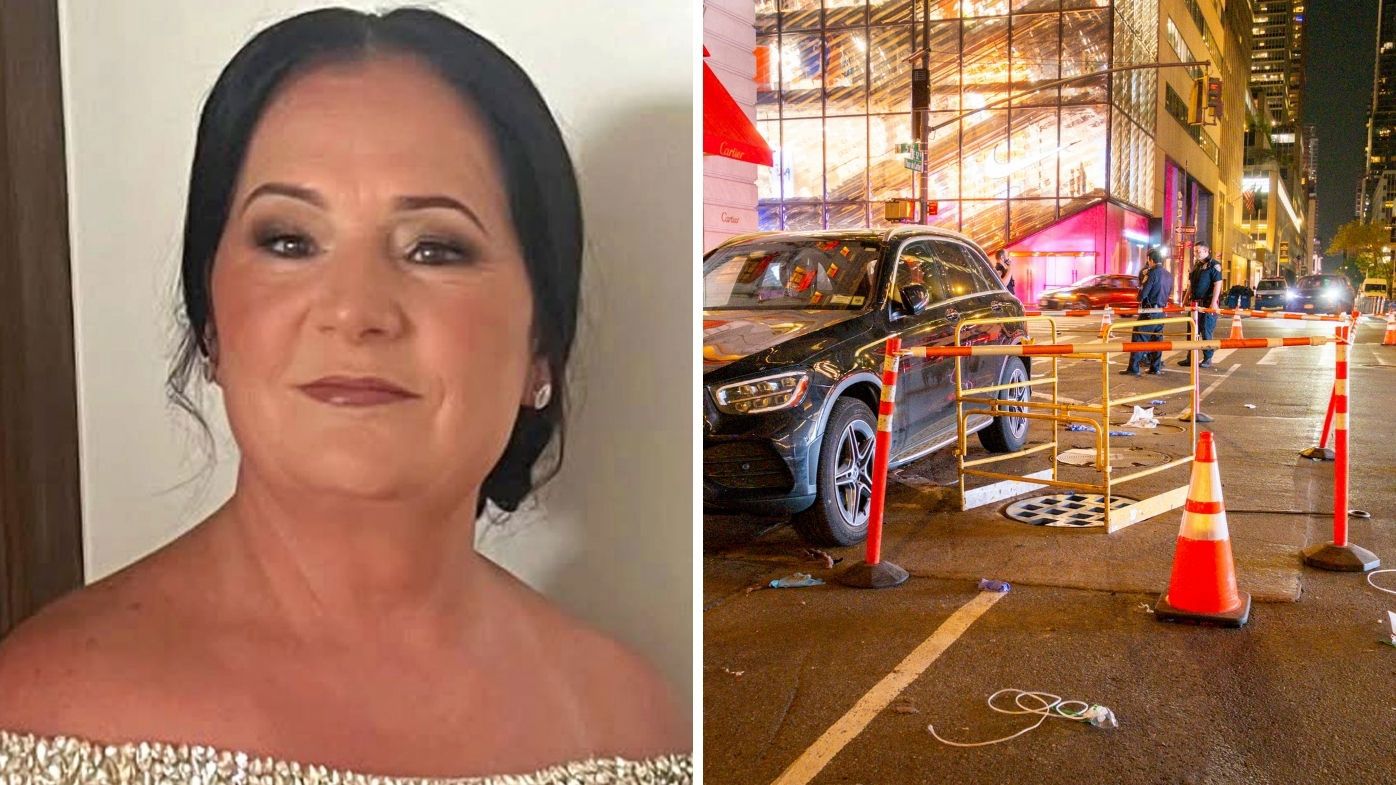
Medical experts explain the mechanics. The fall itself, while serious, was likely survivable in isolation. However, the underground utility space—part of Con Edison’s steam distribution system—contained boiling hot conditions. Inhaling superheated steam damages the alveoli in the lungs, rapidly impairing oxygen exchange and leading to cardiac arrest. Scalding water compounded external burns, while the impact added internal injuries. Former medical examiners have described such deaths as excruciating, with steam causing near-instantaneous respiratory failure.
Her final words—“I’m dying”—were not metaphorical. They directly reflected the thermal assault on her body in those first moments underground.
Who Was Donike Gocaj?
Born on September 27, 1969, Donike Gocaj was a devoted mother to a son and daughter and a loving grandmother to two young grandsons. Family and friends described her as warm, kind, and a “second mother” to many. Photos shared online captured family celebrations, holidays, and quiet moments of joy with her grandchildren.
Her family expressed deep shock and sadness, struggling to comprehend how a preventable hazard in one of Manhattan’s most prominent areas could claim her life. They have largely focused on private mourning while seeking answers from authorities.
Timeline and the Dislodged Cover
Con Edison’s review of video footage provided a critical detail: a multi-axle truck turning from Fifth Avenue onto 52nd Street dislodged the manhole cover roughly 12 minutes before Gocaj parked nearby. No utility work was underway at the site. The company called it a rare occurrence but acknowledged the dangers of heavy vehicles in dense urban settings.
This short window—less than a quarter of an hour—has raised serious questions about response protocols. Why was there no immediate barricading or notification? In a city monitored by countless cameras and with rapid communication tools, how did an exposed lethal hazard persist in a high-traffic luxury district?
Complaints about hazardous manholes and street conditions in New York City have reportedly nearly doubled in 2026, highlighting broader infrastructure strains from aging systems, heavy traffic, and construction.
Public Reaction and Lingering Questions
The story has gone viral, with headlines emphasizing the suddenness—“one step changed everything”—and the victim’s desperate cries. Social media users express horror at the vulnerability of everyday life in the city: stepping out of a car, crossing a street, or simply walking can expose people to unseen dangers.
Many ask why basic safety measures failed so spectacularly near iconic landmarks. Others point to systemic issues: overburdened utility maintenance, coordination gaps between agencies, and the sheer volume of access points beneath New York’s streets. Steam rising from manholes is a familiar NYC sight, but few realize the potential for catastrophe when covers are compromised.
Con Edison has expressed condolences and stated that safety is a top priority while cooperating with the investigation. The Mayor’s Office noted ongoing collaboration with the utility to prevent future incidents.
Broader Implications for Urban Safety

This tragedy shines a light on the invisible infrastructure that powers modern cities. New York’s underground network of electrical, steam, gas, and communication lines is vast and aging. Manhole incidents, though statistically rare, carry outsized consequences when they occur.
Experts suggest several paths forward:
Real-time monitoring systems for manhole integrity.
Stricter protocols for immediate hazard containment after any displacement.
Improved manhole cover designs resistant to vehicle impact.
Enhanced public reporting and rapid-response mechanisms for street hazards.
Greater investment in modernizing utility infrastructure in high-density areas.
The incident also underscores the human element. Good Samaritans tried heroically to rescue Gocaj, but the hole’s conditions limited their efforts. Their accounts, especially Wood’s, have humanized the story and amplified calls for accountability.
A Life Cut Short
Donike Gocaj should have returned home that night to her family. Instead, one misstep—caused not by negligence on her part, but by an unsecured urban hazard—ended her life. Her grandchildren will grow up without her presence at future milestones. Her children lost a mother known for unconditional love and support.
As tributes continue to flow, her story serves as both a memorial and a warning. In a metropolis that never sleeps, vigilance over the basics—secure covers, clear warnings, swift responses—can mean the difference between life and death.
“One step changed everything.” Those words capture the fragility of existence in our built environments. Donike Gocaj’s final cries of “I’m dying” will hopefully drive meaningful change, ensuring that no other family endures this preventable heartbreak. City officials, utilities, and residents alike must treat this as a turning point for prioritizing the hidden infrastructure that underpins daily safety.
In remembering her, we confront the uncomfortable truth: sometimes, the most dangerous threats are the ones right under our feet.