That day was Veterans Day: A witness said they saw Charles Hosch near the trail entrance — his GPS location was determined a few hours later
That day—Veterans Day, November 11, 2025—began like many others for Charles Hosch: a planned solo hike on familiar ground. The 67-year-old Dallas attorney, cybersecurity law expert, and adjunct professor at Southern Methodist University’s Dedman School of Law chose the Byron Herbert Reece Trailhead in northern Georgia’s Union County, a scenic ascent along the Appalachian Trail to the 4,458-foot summit of Blood Mountain. The peak, Georgia’s highest, carried deep personal resonance from his childhood in the region. What was meant as a straightforward day outing turned into one of the state’s most perplexing missing-persons cases, now stretching into its fifth month as of mid-March 2026.
A key early detail centers on the trail entrance and a subsequent witness account. Surveillance footage captured Hosch arriving at the Byron Herbert Reece Trailhead parking area that morning, marking his last confirmed visual before he set off uphill. He was dressed for the conditions: khaki pants, a camel-colored sweater, and a dark green jacket—practical attire for the steep, rocky terrain dotted with large rock shelves and dense forest.
Two independent witnesses later reported seeing him descending from the summit that afternoon, placing him on the middle of three prominent rock shelves along the descent path. This sighting, shared widely through family updates on bringcharleshome.com and media reports, established his progress toward the trailhead and reinforced that he had reached the top successfully.
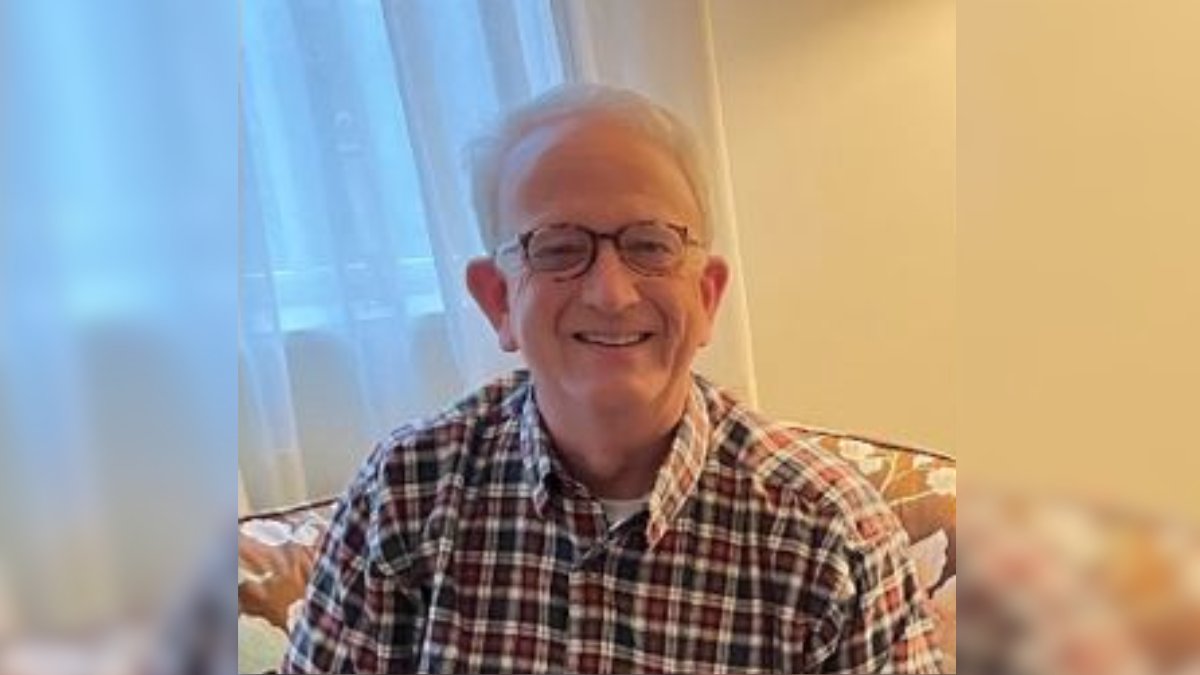
Adding intrigue, a credible witness came forward with an account of speaking to Hosch late that evening—hours after the afternoon descent sighting—in the trails near Blood Mountain. Authorities described the interaction as reliable, though specifics (such as exact time, location, or content of the conversation) have not been publicly detailed in depth. The report prompted intensified scrutiny of the lower trails and surrounding areas in the initial days.
Compounding the timeline, a GPS location—or “ping”—from Hosch’s device was reportedly determined a few hours later that night or into the early morning. While public sources do not specify the precise coordinates, timing, or source (such as a cellphone, fitness tracker, or emergency beacon), this data point fueled early optimism during the massive response. Search teams used it to prioritize zones, though subsequent sweeps yielded no further signals or physical evidence. The GPS detail has since faded from prominent updates, possibly due to battery failure, signal loss in the rugged terrain, or lack of follow-up leads.
The Union County Sheriff’s Office launched an immediate large-scale operation involving ground crews, helicopters, drones, K-9 units, and volunteers from neighboring states. More than 50 responders scoured trails, creeks, ravines, and off-path areas. Despite exhaustive efforts—including searches of nearby caves and debris fields—no trace emerged in the critical first weeks. By late November 2025, formal organized searches were suspended amid winter challenges and exhausted leads, though the case stayed open.
Hosch’s family pivoted to sustained private efforts. They created bringcharleshome.com to coordinate volunteers, share fact sheets, and post updates. Professional project managers were brought in, enabling targeted “pushes” through December 2025 and January 2026, even in freezing conditions. The #BringCharlesHome campaign amplified calls for information via social media, flyers, and community networks.
As March 2026 arrived—marking four months since Veterans Day—a major professional search operation took place around March 14-15. Dozens of volunteers and experts converged, racing against spring foliage that would further obscure visibility. Coverage from People Magazine, NBC DFW, WFAA, The Dallas Morning News, and others highlighted the family’s determination, with statements from colleagues praising Hosch’s brilliance, kindness, and passion for teaching and the outdoors.
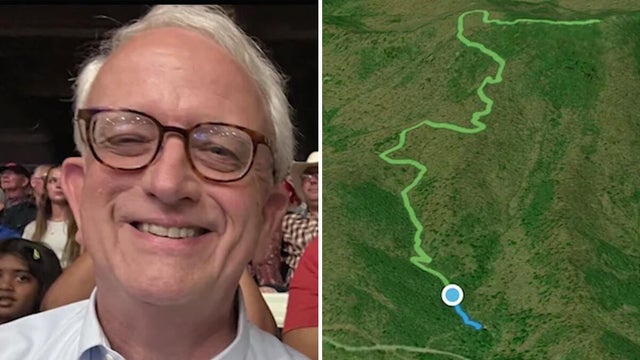
Recent clues—such as footprints deep in the woods, a black jacket off-trail, and indications of deeper forest penetration—have suggested Hosch may have strayed from the main path, perhaps intentionally or due to distress. Yet the witness sighting near the trail entrance area (or lower trails) and the later GPS ping remain foundational, anchoring theories around a possible injury, disorientation, or environmental mishap during descent or after dark.
No evidence of foul play has surfaced publicly, and accident scenarios—falls from rock shelves, hypothermia, or getting lost in steep side terrain—remain primary considerations. Blood Mountain’s isolation, with its drops, thick brush, and variable weather, has claimed others before.
Hosch is remembered as a devoted father, Harvard Law graduate, and mentor whose absence has left a void in Dallas legal and academic circles. Family members hold onto hope, suggesting he might have “hunkered down” somewhere safe initially. As searches persist into spring, the events of that Veterans Day—arrival at the trailhead, summit descent witnessed, evening conversation reported, and GPS location pinged—form the timeline’s core. Each element prompts the same haunting question: What happened in the hours after that final signal, on a mountain that has kept its secrets for months?
The effort to bring Charles home continues, one step at a time through the wilderness he loved.