Assassin’s Creed Shadows Faces Crisis in Japan: Plummeting Sales and Political Fury Threaten Ubisoft’s Latest Epic
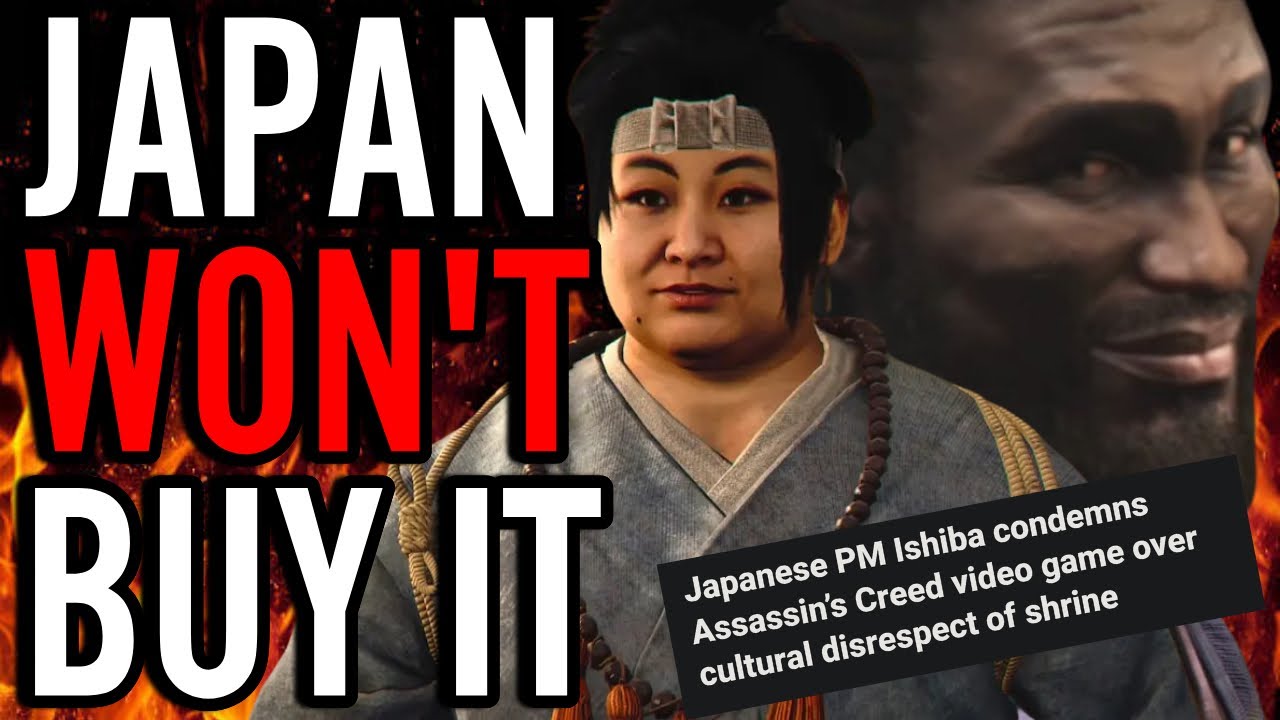
Assassin’s Creed Shadows, Ubisoft’s ambitious foray into feudal Japan, launched on March 20, 2025, to high expectations but has stumbled dramatically in Japan. Reports of dismal sales, coupled with demands from Japanese politicians to halt the game’s distribution, have cast a shadow over the title. Sparked by concerns over cultural disrespect—particularly the in-game destruction of sacred shrines—the controversy has escalated to the highest levels of government, with Prime Minister Shigeru Ishiba addressing the issue in parliament. Posts on X and media outlets like IGN and Reuters highlight a growing backlash, from review bombing to accusations of “woke” pandering. This article examines the sales slump, the political uproar, and what it means for Ubisoft’s future.
A Rocky Launch: Sales Struggles in Japan
Assassin’s Creed Shadows, featuring dual protagonists Yasuke, a Black samurai based on a historical figure, and Naoe, a fictional female shinobi, was poised to capitalize on fans’ long-standing demand for a Japan-set Assassin’s Creed. Ubisoft reported two million players globally within days, with sales revenue marking the franchise’s second-biggest launch, trailing only Assassin’s Creed Valhalla (2020). However, in Japan, the game has underperformed. On Amazon Japan, it ranks 98th, lagging behind AA titles like Split Fiction and Atelier Yumia, with a 2/5-star rating driven by review bombing. A YouTube video by @shoheikondo claimed sales are “plummeting,” reflecting sentiment on X, where @Grummz noted its low preorder rankings in 2024.
Analyst Rhys Elliott of MIDiA Research told PCGamesN that, despite strong global sales, Shadows isn’t the “smash hit Ubisoft desperately needs” to recover from flops like Star Wars Outlaws and XDefiant. Tracking below Valhalla’s $1 billion revenue, the game’s $200 million budget likely hasn’t broken even, especially with Japan’s weak performance. The delayed launch—pushed from November 2024 to March 2025 due to cultural concerns and polish needs—missed the holiday window, further hurting momentum. Ubisoft’s stock, down 40% in 2024, reflects investor skepticism, with takeover talks involving Tencent adding pressure.
Political Backlash: Calls to Stop Sales
The most explosive controversy stems from Japan’s political sphere. On March 19, 2025, Hiroyuki Kada, a House of Councillors member from Hyogo Prefecture, raised concerns in parliament about Shadows’ depiction of shrine destruction, specifically Itatehyozu Shrine in Himeji. A gameplay segment showed Yasuke damaging the shrine, prompting fears it could inspire real-life vandalism amid Japan’s post-pandemic tourism boom. Prime Minister Shigeru Ishiba responded, stating that defacing a shrine “would be an insult to the nation” and emphasizing respect for Japan’s culture and religion. While Ishiba’s remarks didn’t explicitly demand a ban, they fueled calls for action, with local politician Nagase urging the National Diet to condemn Ubisoft.
Kada and others criticized Ubisoft for not seeking permission to depict sacred sites, with shrine caretakers telling Sankei Shimbun they would have refused inclusion. The controversy echoes earlier backlash over a one-legged Torii gate in promotional art, resembling Nagasaki’s Sannō Shrine, a site tied to the 1945 atomic bombing. PureArts pulled a related collectible statue after outcry. Ubisoft issued a day-one patch making shrine objects indestructible and reducing bloodshed from attacks on unarmed NPCs, but critics, including X user @XeQjOBDNuZujp1r, argue these measures haven’t quelled the damage to Japan’s cultural dignity.
Cultural Sensitivities and “Woke” Accusations
The shrine issue is part of a broader backlash against Shadows’ cultural representation. A Change.org petition, launched in June 2024 by Shimizu Toru, amassed over 94,000 signatures, demanding cancellation for “serious insult to Japanese culture and history.” Critics cite Yasuke’s portrayal as a samurai—historically a retainer to Oda Nobunaga—as exaggerated, arguing it ignores the samurai’s noble class status. The inclusion of same-sex romance options and diverse character designs has also drawn accusations of “woke” pandering, with NeoGAF users claiming the game depicts Japanese culture as “barbaric” and includes “Chinese” architectural inaccuracies.
Ubisoft has defended its approach, emphasizing that Assassin’s Creed is historical fiction, not a documentary. In a July 2024 statement to Japanese players, the studio highlighted collaborations with historians, including Japan’s Yu Hirayama, who confirmed Yasuke’s samurai status. The team apologized for promotional materials causing concern, such as a flag used without permission from a reenactment group, and promised ongoing refinements. However, the narrative of cultural disrespect persists, amplified by X posts and YouTubers who argue Ubisoft prioritizes Western agendas over authenticity.
Western critics, like Aftermath’s Luke Plunkett, dismiss the shrine controversy as overblown, noting that destructible environments are standard in Assassin’s Creed and not targeted at religion. Jeffrey Hall, a lecturer at Kanda University, clarified on X that Ishiba’s comments addressed hypothetical real-life vandalism, not a call to ban the game, and that parliamentary questions often lack follow-through. Despite this, the political rhetoric has galvanized Japanese critics, with some, per Bounding Into Comics, viewing Ubisoft’s actions as “trampling” national pride.
Community Divide and Review Bombing
The Japanese gaming community’s response has been brutal. Amazon Japan reviews, cited on NeoGAF, slam Shadows for “blasphemy,” with complaints about Yasuke’s prominence, shrine destruction, and perceived “LGBTQ” agendas. Some reviews falsely claim the game allows killing innocent NPCs, despite desynchronization penalties for such actions. This review bombing mirrors global backlash from anti-“woke” groups, who targeted Yasuke’s inclusion and queer storylines, prompting Ubisoft’s X account to push back against trolls. Conversely, fans on Reddit’s r/assassinscreed praise the game’s 81/100 Metacritic score and “polished” mechanics, with IGN giving it an 8/10 for refining the series’ open-world formula.
The divide reflects gaming’s culture wars. Supporters argue Shadows respects Japan’s heritage through its detailed world and dual protagonists, with Naoe embodying traditional shinobi stealth. Critics, however, see Yasuke’s fictionalized role and modern inclusivity as clashing with the Sengoku era’s historical context. Forbes noted that while Yasuke’s samurai status is historically verified, the game’s creative liberties—like same-sex relationships—fuel perceptions of inauthenticity among conservative players.
Ubisoft’s Precarious Position
For Ubisoft, Shadows is a make-or-break moment. After flops like Avatar: Frontiers of Pandora and a 15% stock drop in 2025, the company needs a hit. Reuters reported that Shadows’ strong global sales—three million players and 40 million hours played—offer hope, but Japan’s rejection threatens its $4.3 billion deal with Tencent to develop new titles. Analyst Michael Pachter warned that U.S. anti-DEI sentiment, amplified by political shifts, could further hurt Ubisoft if cultural controversies persist.
The studio’s swift patch response shows a willingness to adapt, but some players, per 9meters, feel it compromises gameplay freedom, a core Assassin’s Creed feature. Others applaud Ubisoft’s sensitivity, noting that global changes to shrine mechanics demonstrate respect. The controversy has sparked industry-wide discussions about balancing creative liberty with cultural accuracy, especially in real-world settings.
Looking Ahead: Can Ubisoft Recover?
Shadows’ future in Japan hinges on Ubisoft’s ability to rebuild trust. The studio’s apologies and patches are steps forward, but ongoing political pressure and review bombing suggest a long road. A successful launch elsewhere could offset Japan’s losses, but Ubisoft must address cultural concerns to maintain its global reputation. The Assassin’s Creed franchise has weathered controversies before—Brotherhood’s Leonardo da Vinci tank raised no such outcry—but Japan’s unique cultural context demands greater care.
The saga underscores gaming’s challenge in a globalized world: how to craft immersive fiction without offending real-world sensibilities. As Shadows navigates this storm, its dual blades—Naoe’s stealth and Yasuke’s strength—may yet carve a path to redemption, but only if Ubisoft listens to its critics while staying true to its vision.
News
Elder Scrolls IV: Oblivion Remastered Players Discover Simple Setting Change That Instantly Boosts Performance—Find Out What’s Got Everyone Buzzing Below!
Elder Scrolls IV: Oblivion Remastered Players Discover Simple Setting Change That Instantly Boosts Performance—Find Out What’s Got Everyone Buzzing Below! The recent release of The Elder Scrolls IV: Oblivion Remastered has captivated both longtime fans and newcomers with its stunning…

STAR WARS: BATTLE OF HOTH UNVEILED: Days of Wonder’s Epic Board Game Brings Hoth’s Iconic Clash to Your Tabletop! Command Rebels or Imperials in a Fast-Paced Strategy Showdown That’s Got Fans Buzzing—Discover Why This Game Is a Must-Have! ❄️
Star Wars: Battle of Hoth Board Game Unleashes Epic Tabletop Warfare in a Galaxy Far, Far Away In the vast universe of Star Wars, few moments are as iconic as the Battle of Hoth from The Empire Strikes Back. The…
CYBERPUNK 2077 FANS, CLEAR YOUR CALENDARS FOR JULY 17: CD Projekt Red’s Mysterious Reveal Promises a Game-Changing Night City Update! A Highly Anticipated Event Sparks Feverish Hype and Speculation—Discover Why This Date Has the Gaming World Electrified! 🌃
Cyberpunk 2077’s July 17 Reveal: A Night City Bombshell That Has Fans Buzzing In the neon-lit world of Cyberpunk 2077, where corporate intrigue and cybernetic chaos reign, CD Projekt Red has mastered the art of keeping fans on edge. Since…
ELDER SCROLLS: OBLIVION REMASTERED’S SHOCKING SECRET: Hidden Door Warps Players to Game’s Epic Finale! Bethesda’s Revamped RPG Unveils a Mysterious Shortcut That’s Got Fans Buzzing with Excitement and Debate—Uncover Why This Discovery Is Taking Tamriel by Storm! 🚪
Elder Scrolls: Oblivion Remastered’s Secret Door: A Shortcut to the Finale That’s Stunning Fans In the storied legacy of The Elder Scrolls, few games hold the nostalgic weight of The Elder Scrolls IV: Oblivion. Released in 2006, its vibrant world…
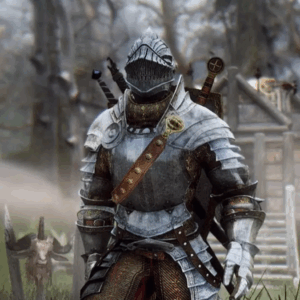
SKYRIM REBORN IN UNREAL ENGINE 5: Bethesda’s Official Remake of a Fantasy Epic Stuns Fans with Next-Gen Glory! Tamriel’s Legendary World Revamped with Jaw-Dropping Visuals Ignites a Frenzy of Hype—Dive into Why This Remaster Has Gamers Spellbound! 🐉
Skyrim’s Unreal Engine 5 Remake: A Legendary RPG Reborn in Next-Gen Splendor In the annals of gaming history, few titles have left as indelible a mark as The Elder Scrolls V: Skyrim. Since its 2011 release, Bethesda’s open-world masterpiece has…
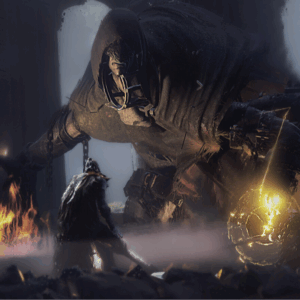
DARK SOULS 4 TAKES A BACKSEAT: New RPG Blending Skyrim’s Epic Scope with Bloodborne’s Brutal Horror Steals the Spotlight! A Groundbreaking Fusion of Open-World Adventure and Gothic Terror Has Fans Buzzing with Hype—Discover Why This Game Is the Talk of the Gaming World! 🎮
What a combo this headline is – Dark Souls, Bloodborne, Skyrim, all absolute bangers that, if merged together, could make for a hell of a game, right? I feel like we’re setting you up for something special, but this is all pulled…
End of content
No more pages to load