10 Biggest Differences In Oblivion Remastered To The Original Game
Bethesda’s Oblivion Remastered Transforms a Classic RPG with Stunning Upgrades That Redefine Cyrodiil’s Legacy—Dive Into Why This Revival Is Captivating Gamers Worldwide!
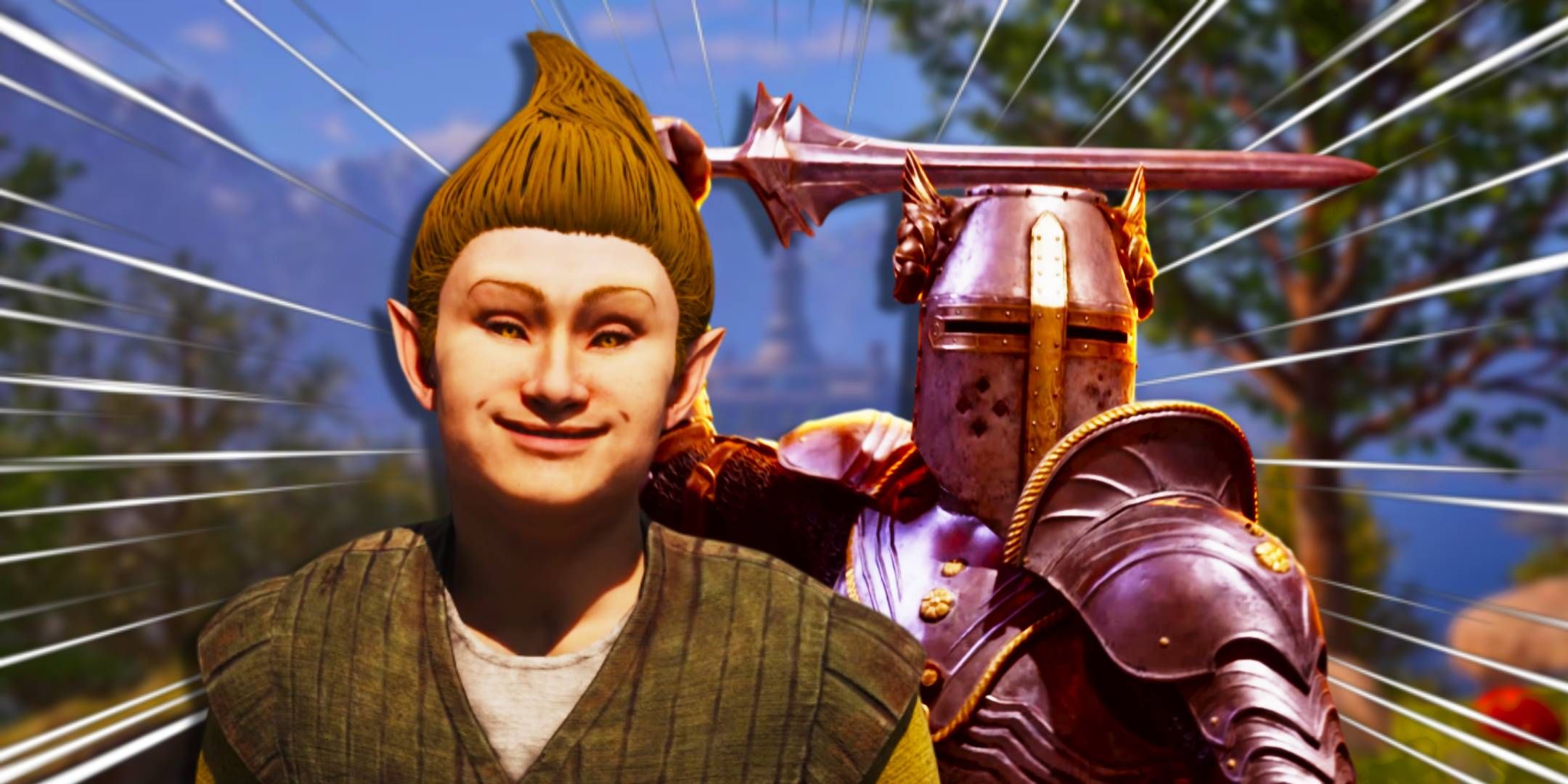
The shadow-drop of The Elder Scrolls IV: Oblivion Remastered on April 22, 2025, has electrified the gaming community, with Bethesda and Virtuos delivering a reimagined version of the 2006 RPG classic that topped Steam’s sales charts within minutes. Boasting a peak of 182,298 concurrent players, this Unreal Engine 5-powered remaster goes far beyond a graphical facelift, introducing transformative changes to gameplay, audio, and systems while preserving Oblivion’s quirky charm. From overhauled combat to a modernized leveling system, the remaster has sparked debates on X about whether it’s closer to a remake. Here are the 10 biggest differences between Oblivion Remastered and the original, explaining why this revival is a triumph for fans and newcomers alike.
1. Unreal Engine 5 Visual Overhaul


The most striking difference is the shift from the original’s Gamebryo engine to Unreal Engine 5, delivering 4K resolution, 60 FPS, and a complete graphical rebuild. Landscapes, character models, and spell effects have been remade, with ray-tracing, dynamic lighting, and lush vegetation creating a “semi-realistic fantasy” Cyrodiil. Water shimmers, torches glow, and the Imperial City feels alive, though some X users criticize a “brown” aesthetic compared to the original’s vibrant palette. The 125GB file size—26 times the original’s 4.6GB—reflects this ambition, making Oblivion Remastered the best-looking Elder Scrolls game yet.
2. Refined Leveling System
The original Oblivion’s leveling system, reliant on Major Skills, was often criticized for punishing inefficient builds. The remaster introduces a hybrid system inspired by Skyrim, allowing players to allocate 12 Virtue Points across Attributes upon leveling, with both Major and Minor Skills contributing XP. This makes progression more flexible, reducing the need for meticulous skill planning. Players still level Skills through use, but the system feels less rigid, appealing to modern RPG sensibilities while retaining Oblivion’s depth.
3. Overhauled Combat Mechanics
Combat in the original Oblivion was clunky, with “floppy” controls and poor hit detection. The remaster revamps melee and bow combat, introducing dynamic blocking inspired by Soulslikes and a four-hit dagger combo ending in a two-handed stab. Enemies react differently based on hit location, and animations are smoother, making battles more engaging. While not as fluid as Elden Ring, these changes address long-standing criticisms, offering a more responsive experience.
4. Enhanced Stealth System
Stealth in the original relied on a binary eye icon, which felt obtuse. Oblivion Remastered adopts a Skyrim-style stealth system, with a more nuanced indicator showing detection levels, allowing players to better plan sneaky moves. New sneaking animations and improved AI detection enhance immersion, making stealth builds more viable and enjoyable. This rework is a subtle but significant upgrade for players who favor subterfuge.
5. Sprinting and Movement Improvements
The original Oblivion lacked sprinting, forcing players to rely on walking or Speed boosts. The remaster adds a Skyrim-style sprint mechanic, consuming Stamina for faster movement, aligning with modern RPGs like Fallout 4. New movement animations for walking, running, jumping, and swimming feel polished, and a revamped third-person camera—offering over-the-shoulder and zoomed-out views—improves control, making exploration of Cyrodiil more fluid.
6. Updated User Interface and HUD
The original’s cluttered UI drew complaints for its console-centric design. Oblivion Remastered revamps the HUD, moving the compass to the top with location and quest step details, spreading health, magicka, and stamina bars along the bottom, and placing enemy info under the compass. Inventory and menu navigation is streamlined, with d-pad shortcuts for stats, magic, inventory, and maps. The dialogue minigame’s wheel is clearer, with colored indicators for NPC preferences, enhancing usability.
7. Character Creation and Origins
Character creation in the original tied attributes to gender and race, like male Argonians favoring Speed and females favoring Intelligence. The remaster introduces Body Types and two Origins per race (e.g., Arensia for Speed, Thornmarch for Intelligence), decoupling attributes from gender for more flexibility. Sliders now show numerical values for precise tweaks, and Origins add roleplaying depth, letting players define their character’s backstory with stat impacts.
8. Improved Audio and Voice Acting
While retaining iconic voice lines from stars like Patrick Stewart, the remaster diversifies the original’s limited voice cast, where a handful of actors (including Todd Howard) voiced most NPCs. New actors add race-specific voices and extra dialogue, with flubbed lines removed. Environmental audio is enhanced—voices muffle behind walls, echo in large spaces like temples, and sound effects tie to haptic feedback for immersion. These changes make conversations and exploration more dynamic.
There Are Brand-New Combat Animations
It Has A More Modern Feel Now


9. Third-Person View Enhancements
The original’s third-person mode was janky, with poor camera control. Oblivion Remastered introduces a modern over-the-shoulder camera and a zoomed-out option, cycled via R3, with an on-screen cursor for precise aiming. Characters move independently of the camera, improving control and letting players better appreciate the visual upgrades. This makes third-person viable for combat and exploration, a boon for players who prefer it over first-person.
10. Expanded Content and Accessibility
The remaster includes all DLC—Knights of the Nine, Shivering Isles, and smaller packs like horse armor—from launch, unlike the original’s staggered releases. The Deluxe Edition ($59.99) adds new quests for Akatosh and Mehrunes Dagon armor, weapons, and horse armor, enhancing replayability. Accessibility is boosted with Game Pass availability, Steam Deck verification, and cross-platform saves via Xbox Play Anywhere. However, mod support is not officially confirmed, raising concerns given Oblivion’s modding legacy.
Why These Changes Matter
These differences transform Oblivion Remastered into a hybrid of remaster and remake, as noted by original developer Bruce Nesmith, who said, “I’m not sure ‘remaster’ does it justice.” The Unreal Engine 5 visuals and gameplay refinements modernize a 19-year-old game, making it accessible to Skyrim fans while preserving the jank—quirky NPCs, absurd dialogue—that defines Oblivion’s charm. Fans on X, like @SynthPotato, call it “quite literally a REMAKE,” praising its ambition.
The remaster’s success is evident in its metrics: topping Steam charts within 40 minutes, hitting 182,298 concurrent players, and earning “Very Positive” reviews (83% of 4,000 Steam votes). PlayStation Store ratings average 4.93/5 from 6,500 votes, and Game Pass inclusion drove cross-platform adoption. Yet, criticisms persist. Some X users lament the “brown” aesthetic, preferring the original’s vibrancy, and PC players report stutters, though consoles hit 60 FPS reliably. Modding uncertainty looms, as the Unreal Engine 5 overlay may limit compatibility, though some 2006 tools work.
Context and Controversy
The remaster’s shadow-drop, despite leaks since 2023, amplified hype, with X posts like @raijumc’s hailing its “glorious” return. However, ex-Blizzard boss Mike Ybarra argued that 20-year-old remasters can’t match modern RPGs like Elden Ring, sparking debate. Fans countered, with @RyanW_CFC calling him “out of touch,” and Larian’s Michael Douse defending Oblivion’s fan-driven success. The remaster’s player count, outpacing Baldur’s Gate 3, proves its relevance.
Bethesda’s goal, per Todd Howard, was to evoke how Oblivion felt in 2006 through today’s tech, not to rebuild it entirely. This balance resonates, especially for younger players experiencing Cyrodiil’s “walkout moment” for the first time. IGN’s Ryan McCaffrey, who reviewed Oblivion in 2006, envies newcomers, calling it a “fully realized medieval fantasy world.” With The Elder Scrolls VI years away, the remaster bridges a gap, keeping the franchise vibrant.
A New Chapter for Cyrodiil
Oblivion Remastered redefines a classic, blending nostalgia with modern refinements. Its 10 biggest changes—Unreal Engine 5 visuals, refined leveling, overhauled combat, enhanced stealth, sprinting, updated UI, new character creation, improved audio, third-person enhancements, and expanded content—make it a compelling revisit or first-time journey. While not a full remake like Final Fantasy VII, its ambition blurs the line, as Nesmith and fans suggest.
As players explore Cyrodiil’s gates, from the Mythic Dawn’s demonic threat to the Dark Brotherhood’s twisted quests, Oblivion Remastered proves Bethesda and Virtuos have honored a legend. Despite minor flaws, its chart-topping launch and fan adoration cement its place as a 2025 highlight. Step into Tamriel and see why Oblivion still reigns.
News
Elder Scrolls IV: Oblivion Remastered Players Discover Simple Setting Change That Instantly Boosts Performance—Find Out What’s Got Everyone Buzzing Below!
Elder Scrolls IV: Oblivion Remastered Players Discover Simple Setting Change That Instantly Boosts Performance—Find Out What’s Got Everyone Buzzing Below! The recent release of The Elder Scrolls IV: Oblivion Remastered has captivated both longtime fans and newcomers with its stunning…

STAR WARS: BATTLE OF HOTH UNVEILED: Days of Wonder’s Epic Board Game Brings Hoth’s Iconic Clash to Your Tabletop! Command Rebels or Imperials in a Fast-Paced Strategy Showdown That’s Got Fans Buzzing—Discover Why This Game Is a Must-Have! ❄️
Star Wars: Battle of Hoth Board Game Unleashes Epic Tabletop Warfare in a Galaxy Far, Far Away In the vast universe of Star Wars, few moments are as iconic as the Battle of Hoth from The Empire Strikes Back. The…
CYBERPUNK 2077 FANS, CLEAR YOUR CALENDARS FOR JULY 17: CD Projekt Red’s Mysterious Reveal Promises a Game-Changing Night City Update! A Highly Anticipated Event Sparks Feverish Hype and Speculation—Discover Why This Date Has the Gaming World Electrified! 🌃
Cyberpunk 2077’s July 17 Reveal: A Night City Bombshell That Has Fans Buzzing In the neon-lit world of Cyberpunk 2077, where corporate intrigue and cybernetic chaos reign, CD Projekt Red has mastered the art of keeping fans on edge. Since…
ELDER SCROLLS: OBLIVION REMASTERED’S SHOCKING SECRET: Hidden Door Warps Players to Game’s Epic Finale! Bethesda’s Revamped RPG Unveils a Mysterious Shortcut That’s Got Fans Buzzing with Excitement and Debate—Uncover Why This Discovery Is Taking Tamriel by Storm! 🚪
Elder Scrolls: Oblivion Remastered’s Secret Door: A Shortcut to the Finale That’s Stunning Fans In the storied legacy of The Elder Scrolls, few games hold the nostalgic weight of The Elder Scrolls IV: Oblivion. Released in 2006, its vibrant world…
SKYRIM REBORN IN UNREAL ENGINE 5: Bethesda’s Official Remake of a Fantasy Epic Stuns Fans with Next-Gen Glory! Tamriel’s Legendary World Revamped with Jaw-Dropping Visuals Ignites a Frenzy of Hype—Dive into Why This Remaster Has Gamers Spellbound! 🐉
Skyrim’s Unreal Engine 5 Remake: A Legendary RPG Reborn in Next-Gen Splendor In the annals of gaming history, few titles have left as indelible a mark as The Elder Scrolls V: Skyrim. Since its 2011 release, Bethesda’s open-world masterpiece has…
DARK SOULS 4 TAKES A BACKSEAT: New RPG Blending Skyrim’s Epic Scope with Bloodborne’s Brutal Horror Steals the Spotlight! A Groundbreaking Fusion of Open-World Adventure and Gothic Terror Has Fans Buzzing with Hype—Discover Why This Game Is the Talk of the Gaming World! 🎮
What a combo this headline is – Dark Souls, Bloodborne, Skyrim, all absolute bangers that, if merged together, could make for a hell of a game, right? I feel like we’re setting you up for something special, but this is all pulled…
End of content
No more pages to load